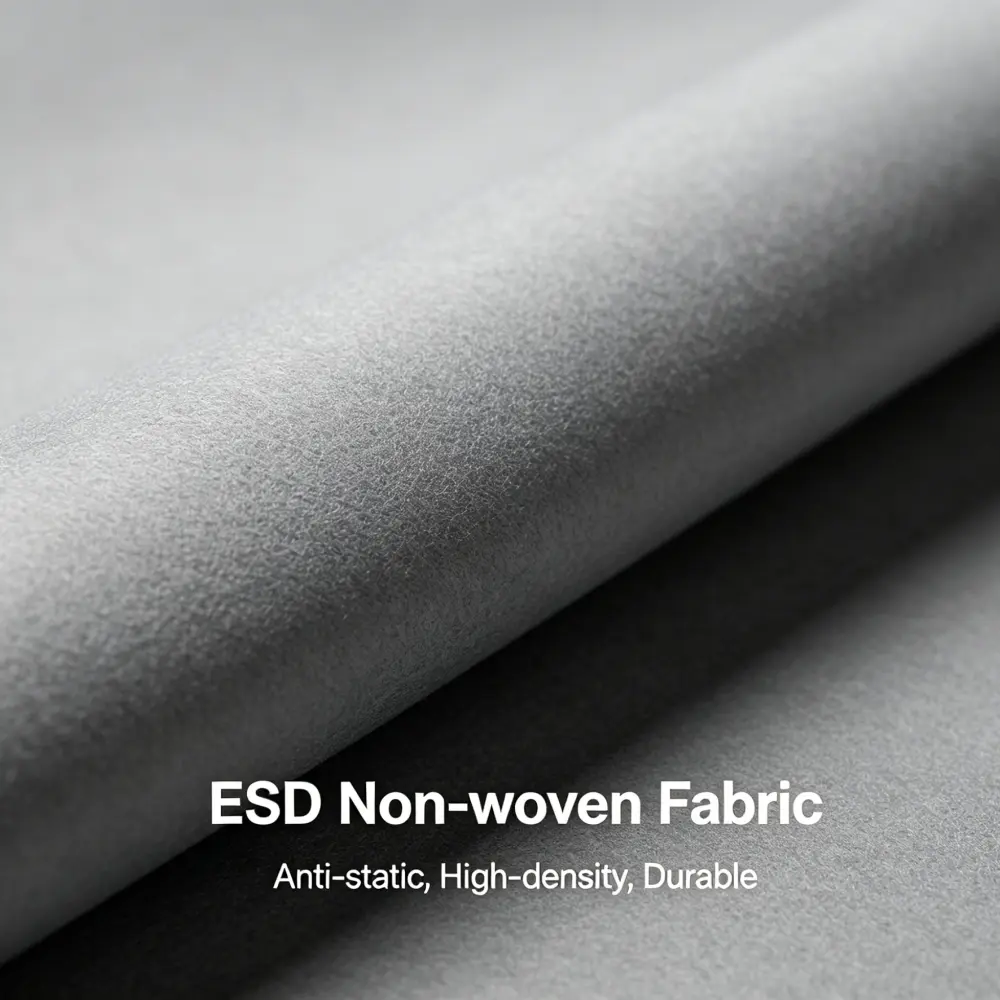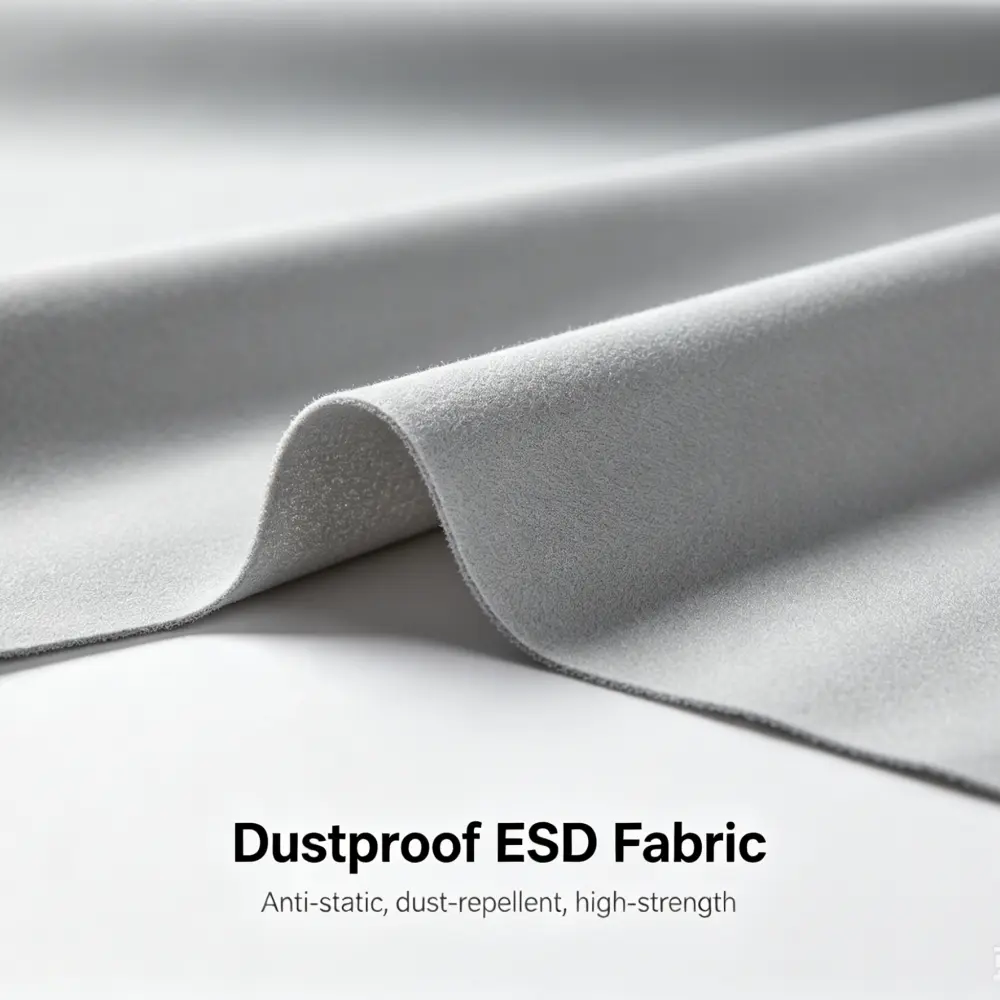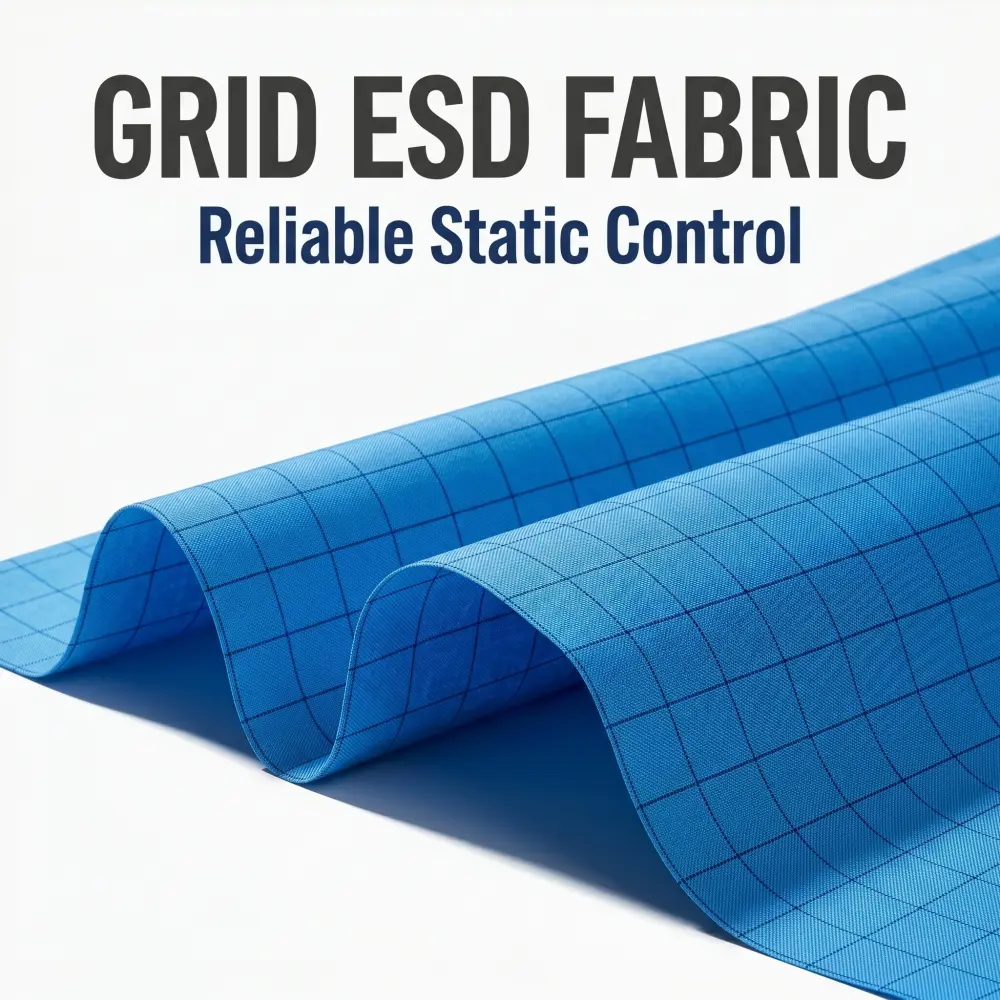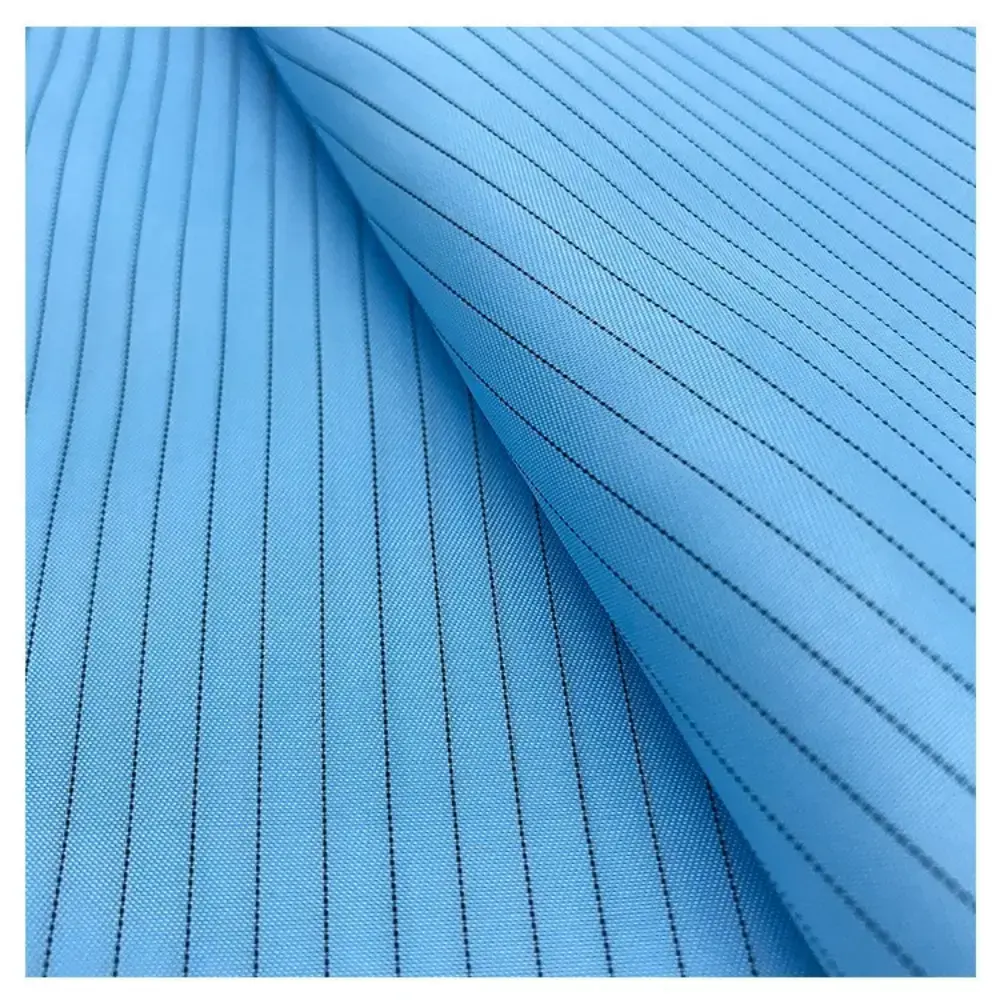
In modern industrial production, office environments, and high-tech manufacturing, static electricity has become an invisible hidden danger that threatens product quality, equipment safety, and personnel health. As a core material to solve static hazards, ESD anti-static fabrics have become an indispensable key resource for enterprise operations. Whether it is electronic manufacturing, clean rooms, petrochemical industries, or precision instrument processing, high-performance ESD anti-static fabrics can effectively eliminate static interference, reduce production losses, and ensure the safe and stable operation of enterprises. This article comprehensively interprets the application, advantages, selection criteria, and industry value of ESD anti-static fabrics for business users, helping enterprises make accurate choices and maximize operational benefits.
ESD (Electro-Static Discharge) anti-static fabrics are special textile materials processed by adding conductive fibers, carbon black, metal coatings, or polymer anti-static agents to traditional textile substrates. Their core function is to rapidly conduct and release static electricity generated by friction, contact, and separation, avoiding static accumulation, spark discharge, and adsorption of dust and impurities.
Unlike ordinary fabrics that are prone to static electricity, ESD anti-static fabrics have three core characteristics:
At present, mainstream ESD anti-static fabrics on the market are mainly divided into conductive fiber blended fabrics, coated anti-static fabrics, and intrinsic conductive polymer fabrics, which can meet the application requirements of different industrial scenarios and enterprise budgets.
For enterprises pursuing safe production, quality control, and cost reduction, ESD anti-static fabrics are not just "optional materials", but "necessary investments". Their value is fully reflected in the following key business links:
In electronic manufacturing, semiconductor processing, chip assembly, and other industries, static electricity can easily break down microelectronic components, cause short circuits, and reduce product qualification rates. According to industry data, static hazards cause billions of dollars in economic losses to the global electronics industry every year. ESD anti-static fabrics can completely eliminate static interference, ensure the yield rate of precision products, and directly reduce the cost of defective products and rework for enterprises.
In petrochemical, pharmaceutical, printing, and other flammable and explosive industries, static sparks may trigger fires, explosions, and other major safety accidents, causing immeasurable losses to personnel and property. ESD anti-static fabrics can safely release static electricity without generating sparks, which is a key line of defense for enterprise safety production and complies with national safety production standards.
Clean rooms in electronics, medical, food, and aerospace industries have strict requirements for dust and static electricity. Ordinary fabrics are easy to shed hair and adsorb dust, while ESD anti-static fabrics have low lint, anti-dust adsorption characteristics, and can cooperate with clean room management to help enterprises pass ISO Class 1-10000 clean room certification and industry standards.
Static electricity will bring discomfort such as electric shock, clothing sticking, and dust adsorption to employees, reducing work enthusiasm and efficiency. ESD anti-static fabrics are soft, breathable, and non-irritating, creating a comfortable and safe working environment for employees and improving overall operational efficiency.
At present, global high-end customers and large enterprises have mandatory requirements for anti-static materials in the supply chain. Equipped with certified ESD anti-static fabrics and products, enterprises can smoothly pass customer factory inspections, expand cooperation opportunities, and enhance market competitiveness.
ESD anti-static fabrics have a wide range of commercial applications, covering almost all industries with anti-static needs:
To give full play to the performance of ESD anti-static fabrics, enterprises need to focus on the following core indicators when purchasing:
At the same time, enterprises should choose customized ESD anti-static fabrics according to their own industry characteristics. For example, clean rooms need low-lint anti-static woven fabrics, and flammable and explosive places need high-strength flame-retardant anti-static composite fabrics.
With the rapid development of global high-tech industries, the market demand for ESD anti-static fabrics for business is growing year by year, showing three major development trends:
For enterprises, early deployment of high-performance ESD anti-static fabrics can not only solve current production problems but also seize market opportunities in the industrial upgrading trend and enhance long-term competitiveness.
ESD anti-static fabrics are the core guarantee for enterprises to achieve safe production, quality control, and efficient operation. In the increasingly competitive market environment, investing in high-quality ESD anti-static fabrics is not only a way to reduce losses and control risks but also an important strategy to improve product quality, comply with industry standards, and expand business cooperation.
Whether you are engaged in electronic manufacturing, petrochemical, medical and health, or precision processing industries, choosing professional, compliant, and durable ESD anti-static fabrics for business can create a safe, stable, and efficient operating environment for your enterprise and lay a solid foundation for long-term development.