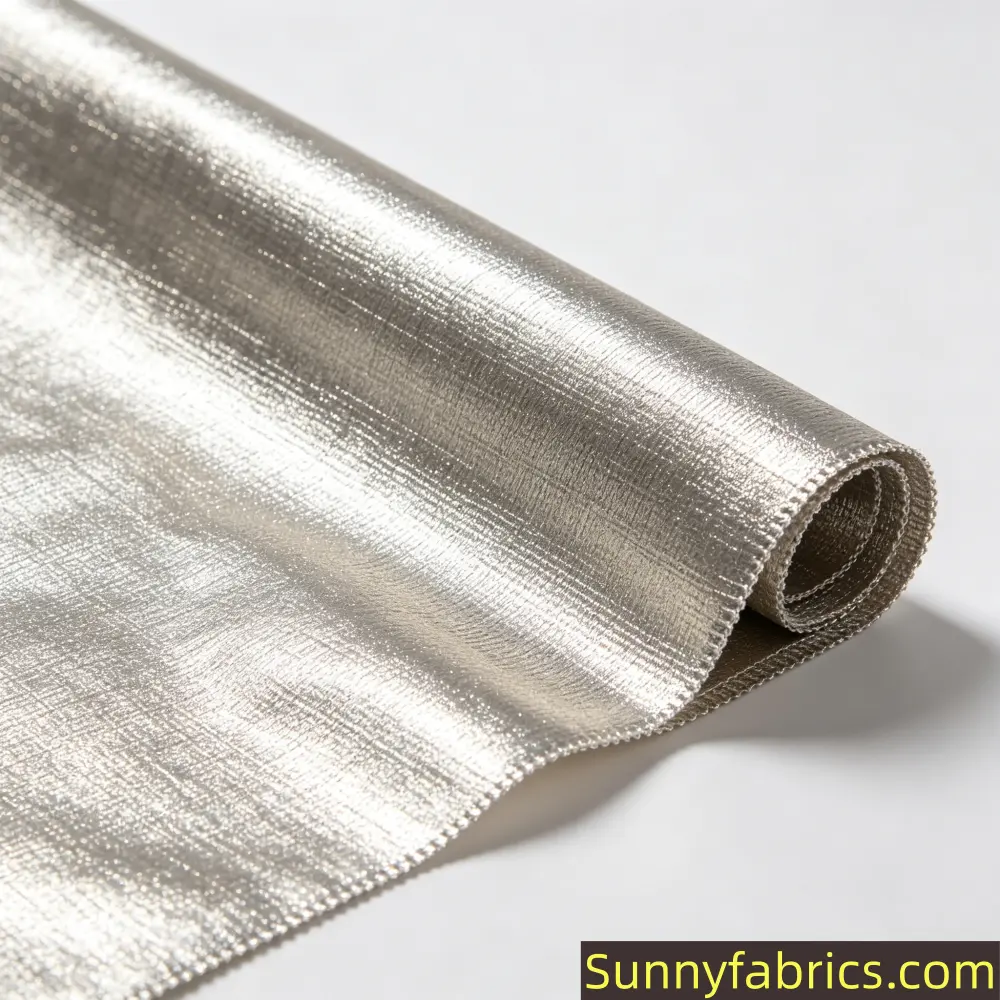
Sunny-4002 Conductive Foam Sheets & Strips
Sunny-4002 Conductive Foam Sheets & Strips are designed for industrial and electronic applications that require flexible conductive foam materials in practical supply formats. Available in sheet, strip, roll and pad forms according to product requirements, this material provides a convenient starting point for manufacturers developing EMI shielding components, electronic interfaces and other customized conductive material solutions.
In electronic product development, material selection is closely connected to enclosure design, assembly requirements and electromagnetic compatibility. Manufacturers often need materials that can be supplied in specific thicknesses and dimensions before being integrated into their own production processes. Sunny-4002 is positioned as a conductive foam material solution for these requirements, allowing B2B customers to discuss material formats, dimensional specifications and customized supply arrangements.
Unlike a finished fabric-over-foam gasket, Sunny-4002 focuses on the conductive foam material itself. It is intended for customers who need sheet stock, strips or other material formats for further evaluation, converting or integration into their products. This makes it relevant to electronic component manufacturers, shielding material distributors, industrial equipment suppliers and OEM/ODM businesses that require flexible conductive material inputs.
Material selection should always be based on the intended application. Conductive foam products can differ in composition, electrical properties, mechanical behavior and environmental suitability. Therefore, customers should evaluate the actual material grade and available test information rather than assuming that every conductive foam sheet has identical performance. Sunny Fabrics can discuss project requirements and suitable material specifications with customers during the product inquiry and development process.
1. Product Overview of Sunny-4002
Sunny-4002 is a conductive foam material product supplied in practical formats for industrial and electronic manufacturing applications. Its main purpose is to provide customers with a flexible material option that can be selected according to their required dimensions, installation conditions and further processing needs.
The product is intended for applications where conductive foam material is required as part of an electronic or industrial assembly. Depending on the selected material construction and grade, conductive foam may be considered for electromagnetic interference control, electrical contact applications and other uses that require conductive or electrically dissipative material characteristics.
For purchasing teams, Sunny-4002 offers a material sourcing option that can be discussed according to sheet dimensions, thickness requirements, supply format and project quantity. For engineers, the product provides a material platform that can be evaluated according to electrical properties, compression behavior, dimensional stability and compatibility with the intended application.
The material can be supplied in different formats according to product availability and confirmed manufacturing requirements. Sheet formats may be appropriate for customers who need larger material areas. Strips may be useful for linear applications or further converting. Rolls can be considered where continuous material supply is suitable, while pads may be relevant for applications requiring individual material sections.
These formats are intended to give customers flexibility in material sourcing. The actual supply format should be confirmed during quotation because material construction, thickness, width, length and processing requirements may influence availability.
2. Conductive Foam Material Construction
The construction of conductive foam can vary according to the material technology and intended application. Different products may use different foam bases, conductive structures or surface treatments. As a result, the term conductive foam describes a material category rather than one universal construction with identical electrical and mechanical properties.
For Sunny-4002 projects, the selected material construction should be reviewed according to the customer's technical requirements. Important considerations may include electrical resistance, compression behavior, thickness, flexibility, surface condition and compatibility with other materials in the assembly.
2.1 Foam Base Material
The foam base provides the physical structure of the material. It influences flexibility, compressibility, thickness, density and mechanical response. Depending on the specific product grade, different foam materials may be considered for conductive foam applications.
The foam base is important because the material must perform under the conditions of the intended application. A material used as a compressible interface may have different requirements from one used as a support material or an intermediate component in an electronic assembly.
Customers should consider the available installation space and the expected mechanical load when selecting a foam material. If the application involves repeated compression, recovery behavior and long-term dimensional stability may also need to be evaluated.
2.2 Conductive Characteristics
Conductive characteristics are among the most important considerations when selecting Sunny-4002. The electrical behavior of a conductive foam material depends on its actual construction and material grade. Different products may have different resistance values and electrical characteristics.
For engineering evaluation, customers should identify whether the application requires electrical conductivity, static charge dissipation or a specific EMI shielding function. These requirements are related but are not interchangeable. A material suitable for one purpose should not automatically be assumed to satisfy another.
Where electrical performance is critical, customers should request the relevant material information and test documentation. Measurements should be interpreted according to the specified test method, sample configuration and testing conditions.
2.3 Surface Characteristics
The surface condition of conductive foam may influence how the material interacts with other components during assembly. Depending on the construction, the surface may have different textures, finishes or contact characteristics.
Engineers should consider whether the material will contact metal surfaces, plastic components, electronic assemblies or other materials. The intended contact arrangement may affect the material selection and the required validation process.
Surface appearance alone does not establish electrical performance. For technical applications, the material should be evaluated using appropriate electrical and mechanical measurements.
3. Available Material Supply Formats
Sunny-4002 focuses on material supply formats that help customers integrate conductive foam into their own manufacturing processes. Selecting the appropriate format can improve material handling, reduce unnecessary processing and make it easier to manage inventory.
3.1 Conductive Foam Sheets
Conductive foam sheets are suitable for customers who require flat material stock in defined dimensions. Sheet format provides a convenient way to handle and store material before it is used in further manufacturing operations.
For B2B buyers, sheet dimensions should be selected according to the intended application and processing method. Relevant considerations include sheet thickness, width, length, material utilization and the size of the components that may be produced from the material.
Customers using sheet stock for internal converting should consider the relationship between sheet dimensions and their production equipment. Selecting an appropriate sheet size may help improve material utilization and reduce unnecessary handling.
Different projects may require different sheet thicknesses. Thin material may be considered for applications with limited installation space, while thicker material may be evaluated where greater material depth or compression allowance is required. The actual suitability depends on the material grade and the application conditions.
3.2 Conductive Foam Strips
Conductive foam strips are supplied in elongated formats for applications that require linear material sections. They may be considered for equipment interfaces, electronic assemblies and other designs where a strip-shaped material is suitable.
Strip dimensions should be specified according to the available installation space and the required material function. Width and thickness are important because they influence how the material fits into the intended position. Length requirements should also be defined clearly for production and packaging planning.
Some customers may require standard strip dimensions, while others need customized widths or lengths. These requirements can be discussed during the quotation process to determine a suitable supply arrangement.
3.3 Conductive Foam Rolls
Roll format may be suitable for customers who require longer continuous material lengths. It can provide practical handling advantages for certain converting and production operations, particularly when material is processed in repeated sections.
When evaluating roll supply, customers should consider material thickness, roll width, required length and handling conditions. The material should be compatible with the customer's storage and processing methods.
Roll specifications should be confirmed before ordering because the available format may depend on the selected material construction and production requirements. If the customer has a preferred roll size, this information should be included in the inquiry.
3.4 Conductive Foam Pads
Pad format may be considered when customers require smaller material sections rather than larger sheets or continuous strips. Depending on the product specification, pads can be supplied in defined dimensions for use in suitable electronic or industrial assemblies.
Customers should clarify whether they require material pads as simple rectangular pieces or whether additional processing is necessary. This distinction is important because material supply and finished custom component manufacturing may involve different specifications and production arrangements.
4. Thickness Selection for Sunny-4002
Thickness is one of the primary dimensions used to specify conductive foam materials. It affects the amount of available material depth, the installation space required and the mechanical behavior of the material in the final assembly.
For Sunny-4002, thickness should be selected according to the actual application rather than chosen only on the basis of a standard catalogue dimension. Engineers should review the available gap, the expected compression and the function of the material in the assembly.
4.1 Thin Conductive Foam Materials
Thin conductive foam materials may be considered for compact electronic designs where available space is limited. In these applications, material thickness needs to be coordinated carefully with the mechanical structure and the required contact arrangement.
Compact assemblies often have strict dimensional limitations. A material that is too thick may interfere with assembly, while a material that is too thin may not provide the intended mechanical or electrical function. Prototype evaluation can help determine whether the selected thickness is suitable.
4.2 Medium-Thickness Materials
Medium-thickness materials may be considered for applications with a greater installation gap or where additional material depth is required. The appropriate thickness depends on the foam characteristics, assembly conditions and intended material function.
Customers should provide the nominal installation space and any relevant dimensional tolerances. This information helps engineers assess whether a proposed material thickness is suitable for the project.
4.3 Thicker Conductive Foam Materials
Thicker materials may be considered where the design provides sufficient installation space and requires a greater material depth. However, thickness alone does not determine performance. Foam structure, compression characteristics and electrical properties must also be considered.
For applications involving compression, customers should evaluate the material under representative loading conditions. The final material specification should reflect the actual assembly rather than relying on nominal thickness alone.
4.4 Customized Thickness Requirements
OEM and ODM customers may have thickness requirements that are specific to their product design. When requesting a customized thickness, buyers should provide the target dimension, tolerance requirements and intended application.
If the customer is replacing an existing material, a reference sample can help communicate the required thickness and general construction. However, a sample should not replace electrical and mechanical specification requirements where those properties are important to the project.
5. Dimensional Customization and Material Utilization
Material dimensions have a direct influence on purchasing cost, inventory management and manufacturing efficiency. Selecting suitable sheet or strip dimensions can help customers reduce unnecessary material waste and simplify their internal processing operations.
5.1 Sheet Width and Length
For sheet supply, width and length should be selected according to the customer's equipment and material utilization plan. Larger sheets may be suitable for operations requiring multiple components from one material section, while smaller dimensions may be easier to handle in certain production environments.
Customers should consider the dimensions of their downstream components before deciding on sheet size. If several component sizes are produced from the same material, the layout and cutting plan may influence the most efficient sheet dimensions.
5.2 Strip Width and Length
For strip materials, width and length should match the intended installation or converting process. Narrow strips may be appropriate for limited mounting spaces, while wider strips may be useful where a larger contact area is required.
Customers should also identify whether the strip needs to be supplied in individual cut lengths or longer sections. This information can affect packaging, material handling and production planning.
5.3 Dimensional Tolerances
Dimensional tolerance requirements should be clearly identified before production. Not every dimension has the same importance to the final application. Some dimensions may directly affect assembly, while others may allow a wider manufacturing tolerance.
For engineering projects, customers should identify critical dimensions on the drawing. This makes it easier to establish appropriate inspection requirements and avoid unnecessary disagreement during sample approval.
5.4 Material Yield and Purchasing Efficiency
Material yield is an important consideration for manufacturers purchasing conductive foam sheets or strips for further processing. The relationship between the incoming material dimensions and the required component layout can influence material consumption.
When planning a new project, customers may review several possible sheet or strip dimensions to identify a practical supply format. This can help improve material utilization and simplify the internal production process.
For regular production orders, purchasing teams should also consider inventory requirements, expected consumption and delivery planning. A suitable supply format can support more consistent material management.
6. Electrical Performance Considerations
Electrical properties are a key part of conductive foam material selection. However, different applications require different types of electrical behavior. Before selecting Sunny-4002, customers should identify the specific electrical function required in their product.
6.1 Electrical Resistance
Electrical resistance is commonly used to characterize the electrical behavior of conductive materials. For conductive foam, the measured value may depend on the material construction, sample dimensions, electrode arrangement and measurement conditions.
When requesting resistance data, customers should identify the measurement method and the type of resistance information required. Results obtained using different methods may not be directly comparable.
For this reason, engineering teams should avoid relying on a resistance value without understanding how it was measured. Where a project has a defined acceptance requirement, the test method and sample configuration should be agreed in advance.
6.2 Conductivity and Application Requirements
Conductivity is important when the material is intended to support an electrical connection or another conductive function. However, a general statement that a material is conductive does not establish its suitability for every electronic application.
The required conductivity level should be determined according to the intended function. Customers should distinguish between a material used for electrical contact, one used for static charge management and one intended for a specific EMI shielding application.
6.3 EMI Shielding Evaluation
When conductive foam is used as part of an EMI shielding design, the shielding performance of the complete structure should be considered. Material properties may contribute to the result, but the final performance can also depend on contact conditions, installation geometry, gaps and the surrounding enclosure.
A material-level test and an enclosure-level shielding test do not provide identical information. Material tests characterize a specific sample under defined conditions, while system-level tests evaluate the combined effect of the material and the equipment structure.
Customers with a specific shielding target should identify the required frequency range, test configuration and acceptance criteria. This helps determine what type of evidence is needed for engineering approval.
6.4 Distinguishing EMI Shielding from ESD Applications
Conductive and dissipative foam materials may be used in different electronic applications. However, EMI shielding and electrostatic discharge control are different technical requirements. A product suitable for one purpose should not automatically be considered suitable for the other.
Some foam products are primarily developed for electronic packaging and static charge management. Other materials are designed for electrical contact or shielding applications. Their construction and performance requirements may differ.
For Sunny-4002 projects, customers should clearly state whether the material is intended for EMI shielding, electrical contact, static charge management or another function. This helps avoid selecting a material grade that does not match the actual application.
7. Mechanical Properties and Material Handling
In addition to electrical characteristics, the mechanical properties of conductive foam can influence how the material is handled and used in production. Flexibility, compressibility, recovery and dimensional stability may all be relevant depending on the application.
7.1 Flexibility
Flexibility determines how easily the material can adapt to the shape and handling conditions of the intended assembly. Flexible material may be easier to position in certain applications, while other designs may require a more controlled mechanical structure.
Customers should consider how the material will be stored, transported, cut and installed. These operations may place different demands on the material compared with its final use inside the equipment.
7.2 Compression Behavior
Some conductive foam applications involve compression during installation. In these cases, the material should be evaluated according to the expected deformation and applied load.
Compression behavior depends on the foam construction, thickness and other material characteristics. A material that is suitable for one compression condition may not be appropriate for another. Engineers should define the actual gap and loading conditions wherever possible.
7.3 Recovery Characteristics
Recovery describes how a foam material responds after the applied load is removed. For applications involving repeated compression, recovery may influence long-term fit and mechanical behavior.
Customers should consider the expected service conditions, including compression duration and repeated assembly cycles. Where recovery is important, representative samples should be tested under conditions that reflect the intended use.
7.4 Dimensional Stability
Dimensional stability is relevant when the material must maintain a defined size during storage, handling and assembly. Changes in thickness or other dimensions may influence the fit of the material within the final product.
For projects with strict dimensional requirements, customers should identify the critical measurements and specify suitable inspection criteria. The acceptance requirements should reflect the actual functional needs of the assembly.
7.5 Storage and Handling
Conductive foam materials should be stored and handled according to their material characteristics and supplier recommendations. Excessive compression, inappropriate stacking or unsuitable environmental conditions may affect the material before it is used.
For large-volume purchasing, buyers should consider the storage conditions at their own facilities. Packaging and material handling arrangements should be discussed where they have a significant impact on product condition.
8. Applications of Sunny-4002 Conductive Foam Material
Sunny-4002 can be evaluated for different electronic and industrial applications where the selected conductive foam grade is suitable. The exact application depends on the material's electrical and mechanical properties and the design of the finished assembly.
8.1 Electronic Enclosure Components
Electronic enclosures may require conductive materials at selected interfaces or internal locations. Conductive foam material can be evaluated for suitable applications where flexibility and electrical characteristics are required.
Engineers should consider the contact surfaces, available installation space and the mechanical behavior of the material. The selected grade should be verified according to the enclosure's electrical and assembly requirements.
8.2 Communication Equipment
Communication equipment often contains electronic assemblies within compact housing structures. Material selection may involve several considerations, including electrical contact, shielding design, dimensional limitations and assembly efficiency.
Conductive foam sheets and strips may be considered as material inputs for suitable applications. Customers should confirm the required electrical properties and any relevant system-level test requirements before approving a material grade.
8.3 Industrial Electronic Equipment
Industrial electronic equipment may include control systems, monitoring devices, power-related assemblies and electronic housings. These products can have different requirements for conductive material integration.
Sunny-4002 may be evaluated where the selected material construction matches the electrical and mechanical requirements of the equipment. Temperature exposure, vibration, compression and environmental conditions should be considered where relevant.
8.4 Computer and Data Equipment
Computer and data equipment manufacturers may use conductive materials as part of enclosure and component design. In compact electronic assemblies, the available space and dimensional accuracy can be important considerations.
Conductive foam material may be considered for suitable internal interfaces and other applications where its properties meet the engineering requirements. The material should be evaluated in the context of the complete equipment design.
8.5 Electronic Component Manufacturing
Electronic component manufacturers may purchase conductive foam as a material input for their own production processes. Sheet and strip formats can provide flexibility for internal material handling and further converting.
For these customers, incoming material consistency and clear specifications are important. Purchasing teams should confirm material identity, dimensions and relevant performance requirements before establishing regular supply arrangements.
8.6 Industrial Material Distribution
Distributors and industrial material suppliers may require conductive foam in formats that are convenient for inventory management and customer supply. Sheet, strip and roll formats can be considered according to market demand and customer requirements.
For distribution projects, clear product identification and consistent specifications help reduce confusion between different material grades. Buyers should ensure that product descriptions accurately reflect the actual material construction and tested properties.
9. Conductive Foam Sheets and Strips for Further Processing
One of the main advantages of sourcing material in sheet or strip format is the flexibility it provides for downstream manufacturing. Customers may use incoming material as part of their own converting process, subject to the material's suitability and the required production method.
Sunny-4002 is positioned as a material supply product rather than a finished custom die-cut component. This distinction is important for customers who need to purchase material stock and control subsequent processing within their own facilities.
9.1 Material Cutting
Cutting may be part of a customer's internal process when converting larger material sections into smaller pieces. The appropriate cutting method depends on the material structure, thickness, dimensions and required edge quality.
Before selecting a processing method, customers should evaluate whether the material can be handled using their existing equipment. Trial processing may be useful for new material grades or unfamiliar thicknesses.
9.2 Slitting and Strip Preparation
For customers who require narrow material sections, slitting may be relevant to the downstream converting process. The required strip width, length and dimensional tolerance should be defined according to the intended application.
Material behavior during processing should also be considered. Flexible foam products may require suitable handling and cutting conditions to maintain dimensional consistency.
9.3 Lamination and Additional Material Integration
Some applications may involve combining conductive foam with other materials as part of a larger assembly. Whether a particular lamination or bonding process is suitable depends on the material construction and the customer's production requirements.
Customers considering additional material integration should provide details about the other materials, bonding requirements and intended service conditions. Compatibility should be evaluated before introducing the process into regular production.
9.4 Material Stock for OEM Production
OEM manufacturers may prefer to purchase conductive foam in stock formats and manage final component processing internally. This can provide greater control over production scheduling, component dimensions and material utilization.
For this type of project, the supplier's material specification should be aligned with the customer's internal processing requirements. Thickness consistency, material handling and packaging can all be relevant to the purchasing decision.
10. Selecting the Right Sunny-4002 Material Format
Choosing between sheets, strips, rolls and pads should be based on the intended production process and application. Each format has different handling and material utilization considerations.
10.1 When to Choose Sheet Format
Sheet format may be suitable when the customer requires larger flat material sections or intends to process several components from one material area. It can also be convenient for inventory management where material is stored and issued in defined sheet quantities.
Before ordering, customers should compare the required component dimensions with the available sheet dimensions. This helps identify a suitable material size and may reduce unnecessary waste.
10.2 When to Choose Strip Format
Strip format may be more practical when the application requires long, narrow material sections. It can reduce the need for some initial cutting operations and simplify handling for linear applications.
Customers should define the strip width and length carefully. If several sizes are required, the purchasing specification should identify each size and its expected quantity.
10.3 When to Choose Roll Format
Roll format may be useful for customers who require longer continuous lengths and have suitable equipment for material handling. It can support certain converting operations where repeated material sections are processed from a continuous supply.
Roll dimensions, storage conditions and handling methods should be confirmed before ordering. The selected material should be suitable for the intended winding and unwinding process.
10.4 When to Choose Pad Format
Pad format may be appropriate when the customer needs individual material sections in defined dimensions. It can simplify material handling for applications where larger sheets or continuous rolls are unnecessary.
Customers should specify whether pads are required as basic material pieces or as finished components with additional shapes or features. This clarification helps determine the correct product category and processing scope.
11. Customization for OEM and ODM Customers
OEM and ODM projects often involve material requirements that differ from standard purchasing specifications. Customers may need a particular thickness, sheet dimension, strip width or supply format to match their production process.
Sunny-4002 can be discussed according to these project requirements. The purpose of customization is to establish a material specification that is practical for the customer's application and downstream manufacturing process.
11.1 Customized Thickness
Customers can provide their target thickness and relevant tolerance requirements. If the thickness is determined by an existing equipment design, a drawing or reference sample can help communicate the requirement.
For new designs, the available installation space and intended mechanical function should be considered before finalizing the material thickness.
11.2 Customized Width and Length
Sheet and strip dimensions can be discussed according to the customer's material handling and production requirements. Buyers should identify the required width, length and quantity for each specification.
Where the material is used in a downstream converting process, customers may also provide information about their equipment and material utilization plan. This can help identify a practical supply format.
11.3 Material Grade Selection
Different applications may require different conductive foam grades. Customers should describe the intended electrical function and mechanical conditions so that the material selection can be evaluated appropriately.
Where the project has specific resistance, compression or environmental requirements, these should be stated clearly. Any proposed material should be evaluated against the actual acceptance criteria.
11.4 Customized Packaging
Packaging can be considered according to material dimensions, order quantity and customer handling requirements. Some buyers may prefer individual sheets, while others may require grouped packaging or roll-based supply.
For regular OEM orders, packaging details should be confirmed before production. Clear labeling and product identification can help customers manage incoming material and internal inventory.
12. Technical Information for Material Evaluation
When evaluating conductive foam sheets and strips, engineers should identify the properties that are relevant to the application. A complete material evaluation may involve electrical, mechanical, dimensional and environmental considerations.
The required information depends on the intended use. For example, a project focused on electrical contact may prioritize resistance and contact behavior, while an application involving compression may require additional mechanical data.
12.1 Electrical Test Information
Customers should specify the electrical property they need to evaluate. This may include surface resistance, volume resistance or another measurement relevant to the material construction.
The test method and conditions should be documented because different measurement arrangements can produce different results. Comparisons between suppliers should be based on equivalent methods wherever possible.
12.2 Mechanical Test Information
Where mechanical behavior is important, customers may require information about compression, recovery or other relevant characteristics. The test conditions should represent the expected application as closely as practical.
Engineers should avoid using a single mechanical value to predict every aspect of product behavior. Material thickness, structure, loading conditions and time under compression can all influence the result.
12.3 Dimensional Inspection
Dimensional inspection helps confirm whether the supplied material matches the agreed specification. For sheet products, thickness, width and length may be important. For strips, width and length may be the primary dimensions.
Customers should identify critical dimensions and define acceptable tolerances before placing a production order. This provides a consistent basis for incoming inspection and supplier quality communication.
12.4 Environmental Suitability
Some applications may expose the material to temperature changes, humidity, vibration or other environmental conditions. The selected material grade should be evaluated according to the expected operating environment.
Customers with specific environmental requirements should communicate them during the initial inquiry. Where necessary, additional testing or documentation may be required before the material is approved.
13. Quality Considerations for Conductive Foam Material Supply
For industrial buyers, material consistency is an important part of supplier evaluation. Conductive foam may be used as an input in a larger manufacturing process, so changes in incoming material can affect downstream operations.
13.1 Material Identification
Each material grade should be identified clearly in the purchasing specification. Customers should avoid using only general descriptions when different constructions or electrical properties may be involved.
Where the project requires a particular material grade, the approved specification should identify the material and any relevant supporting information. This helps maintain consistency between samples and repeat orders.
13.2 Thickness and Dimensional Consistency
Thickness variation can affect material handling and the fit of the final assembly. Width and length variations may also influence downstream processing and material utilization.
Inspection requirements should be based on the customer's actual application. Critical dimensions should be clearly identified so that the supplier and buyer can apply consistent acceptance criteria.
13.3 Visual Condition
Visual inspection may help identify obvious material damage, contamination, deformation or surface irregularities. The acceptance criteria should reflect the product's intended use and the customer's quality requirements.
For materials that undergo further processing, customers should consider whether visible surface conditions may affect their own manufacturing operations.
13.4 Electrical and Mechanical Verification
Electrical and mechanical verification should be performed according to the agreed material specification. The selected tests should be relevant to the intended application and carried out under defined conditions.
Test documentation should identify the material grade, sample configuration and measurement method. This helps engineering teams interpret the results and compare different material options.
14. Sample Evaluation Before Bulk Purchasing
Sample evaluation is an important step for customers introducing a new conductive foam material into their manufacturing process. It provides an opportunity to confirm whether the material is suitable before committing to regular production quantities.
For Sunny-4002, customers should first confirm that the sample format and dimensions are appropriate for their intended use. Sheet, strip and roll formats may require different handling and processing evaluations.
14.1 Incoming Sample Inspection
Customers should check the sample dimensions and general material condition against the proposed specification. Any differences should be documented and clarified before further evaluation.
14.2 Processing Trial
If the material will be cut, slit or otherwise processed by the customer, a small production trial may help identify handling issues. The trial should use the intended equipment and representative processing conditions wherever possible.
14.3 Application Testing
After the initial inspection and processing trial, the material can be evaluated in the intended equipment or assembly. Electrical and mechanical checks should follow the project's agreed validation requirements.
14.4 Sample Approval
Once the material is accepted, the approved sample and specification should be retained as references for future orders. This helps purchasing and engineering teams maintain consistency when placing repeat orders.
15. Purchasing and Supply Planning
For B2B customers, purchasing conductive foam involves both technical selection and supply planning. The material specification should be confirmed before commercial terms are finalized, particularly when the project requires customized dimensions or a specific material grade.
Customers should communicate the required supply format, target dimensions, estimated order quantity and expected purchasing frequency. These details help suppliers evaluate the project requirements and discuss suitable supply arrangements.
For regular production, buyers should consider how much material needs to be kept in stock and how frequently new material will be required. Sheet, strip and roll formats may have different storage and handling requirements, so inventory planning should reflect the selected format.
Purchasing teams should also confirm the relationship between the approved sample, material specification and repeat order description. A clear purchasing reference can help reduce confusion when the same material is ordered over an extended period.
16. Why Choose Sunny Fabrics for Sunny-4002?
Choosing a conductive foam supplier requires attention to material characteristics, specification communication and supply requirements. B2B customers need clear information to determine whether a material is suitable for their production process and final application.
Sunny Fabrics focuses on conductive material solutions for electronic and industrial applications. For Sunny-4002 projects, we can discuss material format, thickness, dimensions and application requirements according to the customer's inquiry.
We understand that purchasing teams and engineers may approach a material project from different perspectives. Purchasing teams may prioritize consistent supply, material utilization and commercial requirements. Engineers may focus on electrical characteristics, compression behavior and compatibility with the equipment design.
By reviewing the customer's application and material requirements, the product discussion can focus on the specifications that matter to the project. This helps avoid unnecessary assumptions and provides a clearer basis for sample evaluation and purchasing decisions.
For OEM and ODM customers, material requirements may change as the product design develops. Early communication about dimensions, material function and processing needs can help identify potential issues before regular production begins.
17. Conductive Foam Material Supply for Long-Term Projects
Long-term OEM projects often require stable material specifications and predictable supply arrangements. Conductive foam may become an important input in a customer's production process, making material consistency and purchasing coordination especially important.
For repeat orders of Sunny-4002, customers should maintain the approved material specification and identify any changes to the product design. If the required thickness, dimensions or electrical properties change, the material should be reviewed before the next production order.
For projects involving multiple equipment models, customers may require different material dimensions or supply formats. These requirements should be listed clearly so that each specification can be identified and managed separately.
Long-term supply planning should also consider packaging, storage and delivery schedules. These details may seem secondary during initial product selection, but they can become important when material consumption increases or production schedules become more demanding.
18. Request a Sunny-4002 Conductive Foam Material Solution
Sunny-4002 Conductive Foam Sheets & Strips provide a material supply option for B2B customers developing electronic and industrial products that require conductive foam. With sheet, strip, roll and pad formats available for discussion according to product requirements, customers can evaluate a suitable supply format for their own manufacturing processes.
Whether you are an electronic component manufacturer, industrial material distributor, equipment supplier or OEM/ODM project developer, the first step is to define the intended material function. Clarifying whether the material is required for EMI shielding, electrical contact, static charge management or another purpose helps guide material selection.
To request a quotation or discuss a new project, please provide the required material format, thickness, width, length, estimated quantity and application details. If you already have an existing material specification or reference sample, this information can also be included for review.
For projects with specific electrical or mechanical requirements, please identify the relevant test methods and acceptance criteria. This allows the proposed material to be evaluated against the actual application rather than relying on general product descriptions.
Sunny Fabrics welcomes inquiries from manufacturers, distributors and engineering teams seeking conductive foam material for industrial and electronic applications. Contact us to discuss Sunny-4002 specifications, customized dimensions and OEM/ODM material supply requirements.