Sunny Fabrics | Conductive Foam, Tape & EMI Shielding Can Manufacturer
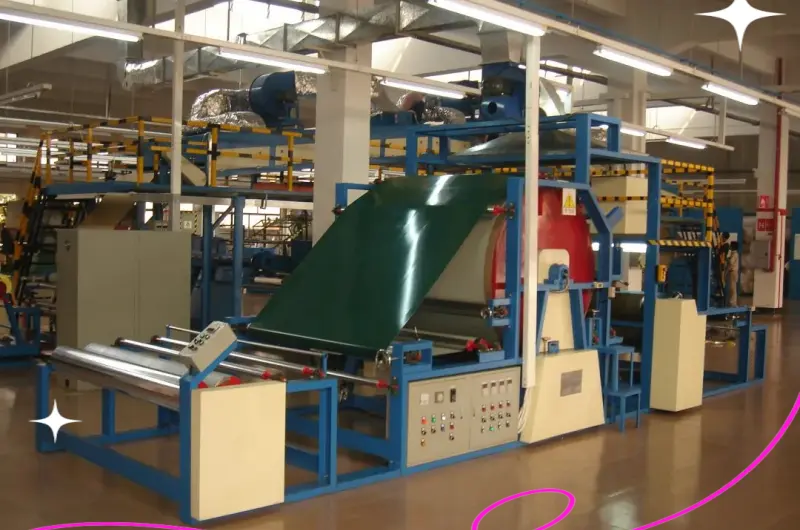
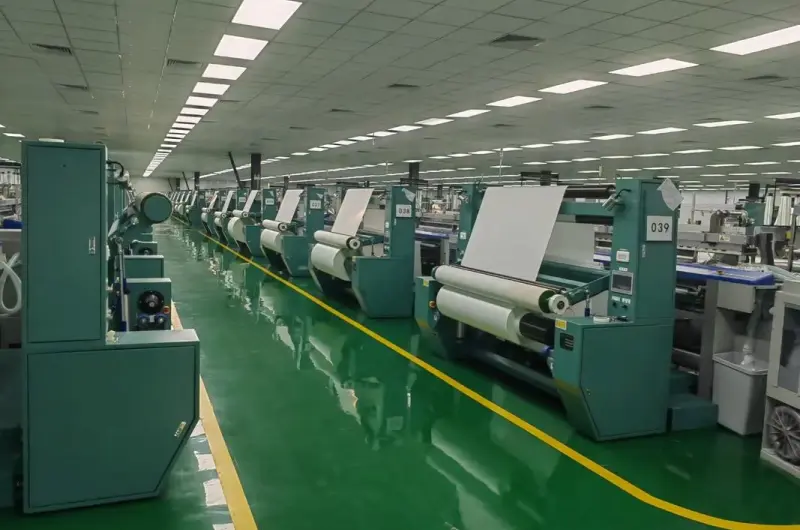
- We specialize in the design and manufacturing of conductive foam, conductive tape, EMI shielding cans and functional fabrics.
- We specialize in the design and manufacturing of conductive foam, conductive tape, EMI shielding cans and functional fabrics. Our R&D and production team supports customized programmes from material specification through to the delivered part.
1. Customized Product Solutions
- Material and formulation customization to meet different performance requirements
- Thickness, weight and dimension tailored to specific applications
- Functional treatment for ESD, EMI, grounding or RFID targets
- Custom width and density to optimize production efficiency
- Application-specific engineering support from sample to mass production
2. OEM and ODM Services
- Customized logo and label printing for brand identification
- Packaging design to upgrade product and brand value
- Specification and structure development for various applications
- Functional formula development for stable and reliable performance
- In-house tooling and converting support for custom part formats
Conductive Foam for EMI Shielding and Electronic Applications
Conductive foam is a functional material used in electronic equipment, communication devices, industrial control systems and other applications where electrical conductivity, electromagnetic interference (EMI) shielding and reliable contact between components are important. By combining a compressible foam structure with electrically conductive materials, conductive foam can help maintain electrical contact between mating surfaces while accommodating dimensional variations in an assembly.
Sunny Fabrics provides functional material solutions for industrial and commercial customers. For businesses sourcing conductive foam, material selection should consider the intended application, component geometry, electrical requirements, compression behavior, environmental conditions and manufacturing process. These factors influence the suitability of a material for a particular electronic enclosure, gasket or contact application.
Conductive foam products are available in different material structures, thicknesses, shapes and configurations. Depending on the product design, they may be supplied as sheets, strips, blocks, fabricated gaskets or custom-cut components. Fabric-over-foam constructions are another option for applications that require a conductive outer surface combined with a flexible and compressible core.
As a functional material category related to electromagnetic shielding and conductive textiles, conductive foam complements the wider range of specialty materials used in electronics manufacturing. Sunny Fabrics aims to help B2B buyers understand the available material options, identify relevant technical requirements and evaluate suitable solutions for their production projects.
What Is Conductive Foam?
Conductive foam is a compressible material engineered to provide electrical conductivity through its surface, internal structure or conductive covering. Unlike conventional cushioning foam, which is generally designed primarily for impact absorption or insulation, conductive foam is developed to establish electrical contact in specific applications.
The construction of conductive foam varies according to the intended function. Some products use a conductive coating or treatment, while others combine a flexible foam core with conductive fabric or another electrically conductive outer layer. The foam core provides compressibility, while the conductive structure helps create an electrical path when the material is compressed between appropriate contact surfaces.
Conductive foam should not be treated as a single standardized material. Two products with similar external appearances may differ considerably in electrical resistance, shielding performance, compression force, durability and suitability for particular operating environments. Buyers should therefore evaluate the technical data of the specific product rather than relying only on a general product description.
For industrial procurement teams, engineers and product designers, understanding the construction of conductive foam is an important first step in determining whether it is suitable for an enclosure gasket, grounding contact, electronic assembly or other specialized application.
How Does Conductive Foam Work?
The operating principle of conductive foam depends on the conductive materials used in its construction and the way it is installed. In a typical application, the material is placed between two components or along the interface of an electronic enclosure. When compressed, the conductive surface makes contact with the relevant mating surfaces and can help establish electrical continuity.
In an EMI shielding assembly, conductive foam may be used to reduce discontinuities along an enclosure interface. Gaps between conductive enclosure components can allow electromagnetic energy to couple into or out of the equipment. A properly selected and installed conductive gasket can help maintain electrical continuity around the interface, supporting the overall shielding performance of the enclosure.
The effectiveness of this arrangement depends on multiple factors, including the conductivity of the material, contact pressure, surface finish, gasket geometry, installation consistency and operating frequency. A conductive foam component alone does not guarantee a particular shielding effectiveness for the complete device.
Conductive foam can also be used in applications where grounding or conductive contact is required. In these cases, the material helps bridge a connection between conductive surfaces. The appropriate material must be selected according to the electrical resistance requirements and mechanical conditions of the intended assembly.
Because conductive foam is compressible, it can accommodate certain variations in component dimensions and assembly tolerances. However, the available compression range and the force required to achieve reliable contact must be evaluated against the design requirements. Excessive compression may damage the material or place unnecessary stress on the enclosure, while insufficient compression may result in inconsistent electrical contact.
Main Types of Conductive Foam
Conductive Foam Sheets
Conductive foam sheets are supplied in flat material formats for applications requiring a flexible conductive layer or for further fabrication into custom components. Depending on the construction, the sheets may be cut, laminated or processed into shapes suitable for a particular assembly.
Sheet materials are useful for manufacturers that require flexibility in component design or need to produce multiple gasket shapes from a common material format. When evaluating conductive foam sheets, buyers should review the available thicknesses, sheet dimensions, electrical characteristics, compression properties and processing limitations.
The suitability of a sheet for EMI shielding depends on its specific conductive construction and the way it is incorporated into the final assembly. A sheet should not be assumed to provide a particular shielding level without relevant test data.
Conductive Foam Strips
Conductive foam strips are elongated components that can be used along enclosure edges, panel interfaces and other linear contact areas. Their dimensions can be selected according to the available installation space and the compression requirements of the assembly.
Strip-shaped products can simplify the installation of conductive material along relatively straight interfaces. In some designs, the strips may be cut to length during assembly, while other applications require precisely dimensioned components prepared before delivery.
Important selection considerations include strip width, thickness, length tolerance, adhesive requirements, compression behavior and the ability to maintain continuous contact along the intended interface. Corner joints and intersections should also be considered when designing a complete shielding path.
Conductive Foam Gaskets
Conductive foam gaskets are components designed to fit between mating surfaces and provide a conductive contact interface. They may be used in electronic enclosures, access panels, equipment housings and other assemblies where the combination of compressibility and electrical conductivity is required.
The gasket design must match the geometry of the enclosure and the mechanical limitations of the mounting structure. Relevant factors include the available installation space, contact surface width, expected compression, fastening arrangement and environmental conditions.
For custom gasket applications, engineering drawings or representative samples help establish the required dimensions and tolerances. Material selection should be based on the electrical and mechanical performance needed in the finished assembly rather than on shape alone.
Fabric Over Foam Gaskets
Fabric over foam gaskets combine a compressible foam core with an outer covering that provides the required conductive surface. Depending on the product design, the covering may use conductive fabric or another suitable conductive textile construction.
This type of structure can be useful where an application requires a flexible contact surface and a compressible core. The properties of the covering and core must be considered together because the overall performance depends on the complete composite construction.
When selecting fabric over foam materials, buyers should review the covering material, electrical resistance, foam density, compression force, recovery behavior, abrasion resistance and dimensional stability. The joining method and the quality of the covering are also relevant to product consistency.
Fabric over foam gaskets are not interchangeable with every other type of conductive foam. Their suitability depends on the intended contact conditions, operating environment, mechanical design and verified technical performance.
Custom Die-Cut Conductive Foam
Custom die-cut conductive foam is manufactured into predefined shapes to match the requirements of a specific component or assembly. Depending on the manufacturing process, custom parts may include rectangular pads, rings, strips, cutouts, openings or more complex profiles.
Precision fabrication can help improve installation consistency and reduce the need for manual trimming during assembly. For OEM and ODM projects, the part geometry should be reviewed alongside the selected material to confirm that the finished component can meet dimensional and functional requirements.
Buyers should provide a technical drawing with dimensions and tolerances whenever possible. Information about adhesive placement, liner requirements, cutouts, corner details and the intended mounting surface can help clarify the manufacturing specification. Sample approval and dimensional inspection may be appropriate before proceeding to larger production quantities.
Key Features and Functional Benefits
Electrical Conductivity
Electrical conductivity is a fundamental characteristic of conductive foam. The required level depends on whether the material is intended for grounding, electrical contact, EMI shielding or another function. Different applications may require different electrical resistance measurements and acceptance criteria.
When comparing materials, it is important to identify the relevant measurement method. Surface resistance, volume resistance and contact resistance describe different electrical characteristics and should not be treated as equivalent measurements. Results may also depend on electrode configuration, applied pressure, specimen dimensions and test conditions.
For reliable material selection, buyers should request technical data that identifies the measured property, test method and applicable conditions. This makes it easier to compare products and determine whether the available evidence supports the intended application.
EMI and RFI Shielding Support
Conductive foam can support electromagnetic interference and radio-frequency interference shielding when it is incorporated into a suitably designed conductive interface. Its role is commonly associated with maintaining contact across enclosure joints and reducing discontinuities in the shielding structure.
Shielding effectiveness is generally expressed in decibels and varies with frequency and test configuration. Material construction, contact pressure, enclosure geometry, seams and installation quality can all influence the final result. For this reason, the shielding performance of a complete enclosure cannot be determined from material conductivity alone.
For applications with defined electromagnetic compatibility requirements, engineers should review available shielding test reports and determine whether testing of the finished assembly is necessary. The frequency range and test method should correspond to the intended application wherever possible.
Compression and Flexibility
The compressible nature of conductive foam allows it to accommodate certain variations in assembly dimensions. This can be useful when a gasket must maintain contact between surfaces that cannot be manufactured or assembled with perfectly uniform spacing.
Compression performance depends on the foam structure, material thickness, density, covering and manufacturing process. A suitable component should compress enough to establish the required contact without generating excessive force on the surrounding structure.
Compression force and compression set are separate characteristics. Compression force describes the force associated with compressing a material under specified conditions, while compression set concerns the degree of permanent deformation after compression and recovery under a defined test procedure. Both may be important when evaluating long-term gasket performance.
Adaptability to Different Geometries
Conductive foam can be supplied or fabricated into a variety of shapes to accommodate different product designs. Depending on the material and manufacturing method, this may include straight strips, flat pads, perimeter gaskets and custom-cut profiles.
The ability to create a suitable shape does not eliminate the need for engineering review. Narrow sections, small radii, internal cutouts and complex corners may introduce fabrication or installation challenges. These details should be evaluated during the design stage to reduce the risk of dimensional variation or damage during handling.
Integration into Electronic Assemblies
Conductive foam components can be integrated into equipment housings, panels and other structures where electrical contact is required. Some designs use adhesive backing to help position the component during assembly, while others rely on mechanical retention or compression between mating parts.
Adhesive selection should consider the substrate material, operating temperature, surface condition, service environment and expected service life. An adhesive that works well for temporary positioning may not be suitable for every long-term application. Conductive adhesive and non-conductive mounting adhesive should also be distinguished because their electrical functions may differ.
Applications of Conductive Foam
Telecommunications and Networking Equipment
Telecommunications equipment often contains electronic assemblies that require controlled electromagnetic compatibility and reliable electrical interfaces. Conductive foam gaskets may be used around selected panels, access covers or component interfaces where the enclosure design calls for a compressible conductive contact.
Network hardware and communication equipment can have specific requirements related to operating frequency, enclosure dimensions, service access and environmental conditions. Material selection should therefore be coordinated with the equipment design and applicable performance criteria.
Computer and Server Enclosures
Computer systems, server equipment and related electronic hardware contain multiple conductive and non-conductive components assembled into compact structures. At selected interfaces, conductive foam may help establish electrical contact or support EMI shielding around removable covers and panels.
Designers should consider the available space, installation tolerances, temperature conditions, airflow requirements and maintenance procedures. The selected material must fit the assembly without obstructing ventilation, interfering with connectors or creating excessive mechanical loading.
Consumer Electronics
Consumer electronics frequently combine compact dimensions with complex internal assemblies. Depending on the design, conductive foam components may be used at selected interfaces to support electrical contact or electromagnetic compatibility requirements.
Product development teams should assess the relationship between material thickness, available compression space, mechanical durability and manufacturing tolerances. Small components can be sensitive to dimensional variation, making repeatable fabrication and appropriate inspection important considerations.
Industrial Control Equipment
Industrial control systems may operate in environments where enclosure integrity, electrical interfaces and reliable operation are important. Conductive foam can be considered for suitable enclosure joints or contact points when the design requires a compressible conductive component.
Depending on the equipment, engineers may also need to evaluate temperature exposure, humidity, contamination, vibration and repeated opening or closing of panels. These conditions should be included in the material selection process rather than assumed to be covered by general conductive properties.
Electronic Connectors and I/O Panels
Input/output panels, connector areas and interface assemblies can contain multiple openings and transitions in an equipment enclosure. Conductive gasket components may be used around selected openings or panel interfaces where a conductive contact path is needed.
For these applications, dimensional accuracy and installation consistency are particularly important. The component must fit the intended location without interfering with connector access, fasteners, cables or other nearby hardware. Drawings and representative assembly information can help determine the appropriate component geometry.
Electronic Instruments and Measurement Devices
Electronic instruments and measurement equipment may require controlled enclosure interfaces to support their intended electromagnetic environment. Conductive foam can be evaluated for appropriate sealing or contact locations within the mechanical design.
The relevant performance requirements depend on the instrument type and the surrounding electrical environment. Buyers should identify the required frequency range, grounding arrangement, mechanical conditions and applicable verification procedures before selecting a material.
Technical Specifications and Material Selection
Technical specifications are essential when comparing conductive foam products from different suppliers. A product description may indicate the general material category, but engineers and purchasing teams need measurable information to determine whether a particular construction meets their requirements.
The available specifications vary according to the product design. Not every parameter applies to every conductive foam construction, so the technical data should be tailored to the actual material and its intended use.
Material Construction
The construction determines many of the functional characteristics of conductive foam. Buyers should identify the foam core, conductive layer or covering, bonding method and any additional backing materials. Where the product uses a composite construction, the characteristics of each layer may affect the behavior of the finished component.
Material composition can also influence process compatibility, durability and environmental suitability. For example, a product intended for repeated compression may require different mechanical characteristics from a product used primarily as a static contact pad.
Thickness and Dimensional Tolerance
Thickness affects the amount of available compression and the space required for installation. The correct nominal thickness depends on the distance between mating surfaces and the compression range required to maintain reliable contact.
Dimensional tolerances should be considered for both the raw material and the finished component. In custom-cut applications, length, width, profile, hole position and other drawing dimensions may influence fit and assembly performance.
When requesting a quotation, buyers should provide the target dimensions and acceptable tolerances wherever possible. If the final assembly is still under development, preliminary drawings and the expected installation space can help initiate a technical review.
Electrical Resistance and Conductivity
Electrical properties should be selected according to the intended function. Grounding contacts, conductive interfaces and EMI shielding components may have different acceptance criteria, depending on the design and the applicable verification method.
When reviewing electrical data, buyers should check the test method, specimen preparation, contact conditions and units. A resistance value measured under one method may not be directly comparable with a value obtained using another method.
Shielding Effectiveness and Frequency Range
Shielding effectiveness is an important consideration when conductive foam is used in an EMI shielding application. However, the reported value must be interpreted in relation to the test method, frequency range, fixture configuration and specimen construction.
A material test can provide useful information about a specific specimen, but the performance of a finished product also depends on enclosure design, contact continuity, fastening pressure and installation details. For critical applications, testing representative assemblies may be necessary to verify the complete system.
Compression Force and Compression Set
Compression behavior determines how the foam responds when installed between two surfaces. If the force required to compress the material is too high, it may place unwanted stress on the enclosure or fasteners. If the material does not maintain adequate contact under the specified conditions, electrical continuity may become inconsistent.
Compression set is relevant where a component remains compressed for extended periods or experiences repeated assembly cycles. The appropriate test conditions should reflect the intended application as closely as practical. Buyers should compare results obtained under comparable methods and conditions.
Temperature and Environmental Compatibility
Operating temperature, humidity, exposure to cleaning agents and other environmental factors may affect the suitability of conductive foam. The actual limits depend on the foam, conductive covering, bonding materials and any adhesive used in the assembly.
For applications with demanding environmental requirements, buyers should request the available material data and determine whether additional validation is required. General statements about temperature resistance or environmental durability should not replace product-specific technical evidence.
Adhesive and Mounting Options
Some conductive foam components use adhesive backing to support positioning and assembly. Other designs may use mechanical retention or rely on compression between the mating surfaces.
The mounting method should be selected according to the substrate, surface finish, assembly process and service conditions. Buyers should specify whether they require an adhesive backing, a release liner, a particular adhesive pattern or a component without adhesive.
Custom Conductive Foam Manufacturing and OEM/ODM Solutions
Custom conductive foam components are often developed around the mechanical and electrical requirements of a specific product. For OEM and ODM projects, the process begins with identifying the intended function and selecting a suitable material construction before finalizing the component dimensions.
A clear technical specification helps align the requirements of the buyer, material supplier and fabrication partner. Where a component is intended for an existing product, drawings or physical samples can provide a useful reference for evaluating the required geometry and manufacturing tolerances.
Drawing-Based Customization
Engineering drawings help communicate the shape, dimensions and tolerances of a custom conductive foam component. Depending on the design, the drawing may specify overall length and width, thickness, cutouts, corner radii, adhesive areas and other relevant features.
For complex profiles, two-dimensional drawings should include sufficient dimensions to define the finished part. Three-dimensional files may also be helpful when the component must fit a detailed assembly or when the surrounding structure affects installation.
Before production, the proposed design should be reviewed for material compatibility, fabrication limitations and installation requirements. Design changes made early in the development process can reduce unnecessary sampling and avoid difficulties during assembly.
Die Cutting and Precision Fabrication
Die cutting and other fabrication methods can be used to convert suitable conductive foam materials into components with defined profiles. The appropriate process depends on the material construction, part geometry, dimensional requirements and production volume.
Manufacturing considerations may include cut-edge quality, dimensional consistency, small feature limitations, material deformation and handling requirements. For applications with narrow tolerances, the supplier and buyer should agree on the relevant inspection dimensions and acceptance criteria before production.
The availability of specific cutting equipment, fabrication processes and production capabilities should be confirmed for each project. Not every material structure can be processed using the same method, and some designs may require a different manufacturing approach.
Adhesive Lamination and Layered Construction
Some custom components require a combination of conductive foam, conductive fabric, adhesive and release liner. These layers must be compatible with the intended assembly process and should be evaluated as a complete construction rather than as independent materials.
Important considerations include layer thickness, bonding consistency, edge stability, adhesive placement and the effect of lamination on compression behavior. Where electrical contact is required through a particular surface, the construction must be designed to avoid unintended insulating layers at the contact interface.
Prototype Development and Sample Evaluation
Prototype samples allow engineering teams to evaluate material fit and assembly behavior before committing to larger production quantities. Depending on the project, sample evaluation may include dimensional checks, compression assessment, electrical measurements and preliminary shielding tests.
Sample approval should be based on defined acceptance criteria. These may include the selected material grade, dimensions, tolerances, electrical properties, appearance and packaging requirements. When a sample is approved, the approved specification should be documented to support consistency during subsequent production.
Production Consistency and Process Control
For ongoing OEM and ODM supply, production consistency is important because variations in material structure or component dimensions can affect assembly performance. A suitable quality plan should identify the critical characteristics, inspection methods and records required for the application.
Depending on the product and agreed requirements, inspection may cover incoming material identification, thickness, dimensions, appearance, adhesive placement and selected electrical or mechanical properties. Inspection frequency should reflect the product risks, order requirements and agreed quality procedures.
Any claims regarding manufacturing capacity, production lead time, minimum order quantity or available certifications should be based on confirmed operating information. Buyers should clarify these commercial and technical details before placing an order.
How to Choose the Right Conductive Foam
Define the Primary Function
The first step is to determine whether the component is intended primarily for EMI shielding, electrical grounding, conductive contact or another function. Although these requirements can overlap, they are not identical and may require different material characteristics.
For shielding applications, the required frequency range and overall enclosure design are particularly important. For grounding or contact applications, the specified electrical resistance and mechanical contact conditions may be the main selection criteria.
Determine the Available Installation Space
The installation gap determines the practical range of material thicknesses and compression levels that can be considered. Buyers should establish the distance between mating surfaces, the available contact width and the permitted compression force.
Where the enclosure has uneven surfaces or complex geometry, the design should account for dimensional variation and the possibility of inconsistent compression. A suitable material must fit the assembly while maintaining the required contact conditions.
Compare Material Constructions
Conductive foam sheets, conductive foam gaskets and fabric-over-foam gaskets may offer different combinations of flexibility, conductivity, compression behavior and fabrication options. The correct choice depends on the functional requirements and mechanical constraints of the assembly.
Material comparisons should use equivalent specifications and test conditions. Where the available data does not establish which product is suitable, representative samples or additional testing may be needed before the material is approved.
Evaluate Electrical and Mechanical Requirements Together
Electrical performance should not be evaluated separately from mechanical behavior. A material may exhibit suitable conductivity under a particular test condition but perform differently when installed under insufficient or excessive compression.
Similarly, a material with desirable compression characteristics may not meet the electrical requirements of the application. The selection process should therefore consider conductivity, contact force, recovery, dimensional stability and the intended installation method as related factors.
Review Environmental and Service Conditions
Temperature, humidity, vibration, contamination and repeated access to the enclosure may influence long-term performance. Buyers should identify the relevant operating conditions and request supporting technical data for the proposed material.
For applications with stringent reliability requirements, testing should reflect the expected operating environment wherever practical. Supplier documentation can support the initial selection, but the final decision should be based on the requirements of the complete product.
Conductive Foam Quality Control and Testing
Quality control helps ensure that conductive foam materials and fabricated components conform to their agreed specifications. The appropriate inspection plan depends on the material construction, application risk and acceptance criteria established by the buyer and supplier.
Incoming Material Inspection
Incoming inspection may involve verifying material identification, dimensions, thickness, appearance and the accompanying documentation. For composite products, the inspection process may also confirm the specified construction or the presence of the required conductive covering.
Material identification and traceability are useful when multiple grades or constructions are used in the same manufacturing program. Clear product specifications help reduce the risk of substitution or confusion between similar-looking materials.
Dimensional Inspection
Dimensional inspection verifies that raw materials or finished components conform to the required dimensions. Depending on the part, this may include thickness, length, width, profile, cutout positions and other drawing-defined features.
For custom-cut components, inspection criteria should reflect the functional importance of each dimension. Critical dimensions should be identified before production so that suitable measurement methods and acceptance limits can be established.
Electrical Property Testing
Electrical property testing can help verify whether a material meets the specified resistance or conductivity requirements. The test method should be selected according to the property being measured and the requirements of the application.
Results should be recorded with sufficient information to support meaningful comparison. Relevant details may include the test method, specimen preparation, measurement conditions, units and acceptance limits. Different electrical measurements should not be treated as interchangeable simply because they describe related properties.
EMI Shielding Verification
Shielding verification is relevant when the material is intended for an electromagnetic shielding application. Test results should identify the tested construction, frequency range, measurement method and other conditions needed to interpret the reported shielding effectiveness.
Material-level testing and finished-assembly testing answer different questions. A material test characterizes a defined specimen under specified conditions, while an assembly test evaluates the performance of a larger structure that includes interfaces, mounting arrangements and enclosure geometry.
Where shielding performance is critical, the buyer should determine which level of testing is appropriate and whether an independent laboratory report is required. No single material value should be interpreted as a universal guarantee for every installed application.
Mechanical Performance Evaluation
Mechanical evaluation may include compression force, recovery behavior, compression set or other properties relevant to the intended use. The selected methods should reflect the product specification and expected service conditions.
Repeated compression, long-term loading and environmental exposure can affect material behavior. Where these factors are important, the testing plan should define the conditions under which the component will be evaluated and the criteria used to judge acceptability.
Documentation and Traceability
Technical data sheets, material specifications, inspection records and applicable test reports help support purchasing decisions and product qualification. The documents supplied should correspond to the actual product construction and should clearly identify any limitations in the reported data.
Compliance documentation should be verified for the specific material and intended application. A supplier should not claim a certification or regulatory status unless suitable documentation is available and applicable to the product being offered.
Conductive Foam Compared with Other EMI Shielding Materials
Conductive foam is one of several material options available for electronic shielding and electrical contact applications. Other options may include fabric-over-foam gaskets, conductive elastomers, metal-based shielding components and conductive textiles. Each category has different mechanical, electrical and manufacturing characteristics.
Conductive Foam vs. Fabric Over Foam
The terms are sometimes used broadly, but they can describe different levels of product construction. Conductive foam may refer to several conductive foam structures, while fabric over foam specifically describes a composite arrangement with a foam core and a conductive fabric covering.
The choice depends on the required contact surface, compression behavior, durability, electrical properties and component geometry. Buyers should compare the actual construction and test data rather than assume that every conductive foam product uses the same structure.
Conductive Foam vs. Conductive Elastomer
Conductive elastomers use an elastomeric base material combined with conductive fillers or other conductive elements. They may be appropriate for applications that require a different balance of environmental sealing, mechanical durability and electrical performance.
Conductive foam and conductive elastomers should be evaluated against the same application requirements, including available compression space, contact force, environmental exposure and installation method. Neither material category is universally superior; suitability depends on the design.
Conductive Foam vs. Metal Shielding Components
Metal shielding components can provide a conductive enclosure or contact structure, while conductive foam is generally considered where a compressible interface is needed. In some designs, a metal component and a conductive foam gasket may be used together to maintain contact along an enclosure joint.
The appropriate arrangement depends on the mechanical design, required shielding performance, assembly tolerances and maintenance needs. Engineers should evaluate the complete interface rather than selecting materials solely by their nominal conductivity.
Conductive Foam vs. Conductive Fabric
Conductive fabric is a flexible textile material that can be used in shielding applications, grounding contacts and composite constructions. Conductive foam adds a compressible structure that may help accommodate gaps or provide contact pressure when installed between surfaces.
For applications that require only a flexible conductive layer, a fabric material may be sufficient. Where a compressible contact interface is required, a foam-based construction may be more appropriate. The final choice should be guided by the intended function and verified material properties.
Storage, Handling and Installation Considerations
Proper storage and handling can help preserve the condition of conductive foam before installation. Specific recommendations depend on the foam structure, conductive covering, adhesive system and packaging requirements.
Materials should be stored under conditions consistent with the supplier's instructions. Excessive compression, contamination, unsuitable temperatures or exposure to incompatible substances may affect some constructions. Adhesive-backed products may also require particular storage conditions to maintain adhesive performance.
During installation, components should be positioned according to the approved drawing and assembly instructions. Excessive stretching, twisting, cutting or compression may alter the geometry or damage the conductive surface. Where the material forms part of an EMI shielding interface, contact continuity around the intended perimeter should be considered carefully.
For designs involving repeated opening and closing, maintenance procedures should account for the condition of the gasket and its mounting surfaces. Inspection intervals and replacement criteria should be established according to the application requirements and observed performance rather than assumed to be identical for all conductive foam products.
Why Technical Material Selection Matters for B2B Buyers
For industrial buyers, conductive foam sourcing involves more than comparing unit prices. Material consistency, specification clarity, processing compatibility, documentation and the ability to meet the required geometry can all affect the total cost and reliability of a product.
A technically appropriate material can help simplify assembly and support the intended electrical function. Conversely, a mismatch between the material construction and the actual operating conditions may lead to fit problems, inconsistent contact or additional validation work.
Purchasing teams should therefore coordinate with engineering, quality and manufacturing personnel when selecting a conductive foam product. Defining the critical requirements at the beginning of the project can make supplier comparisons more meaningful and reduce uncertainty during qualification.
For OEM and ODM programs, it is also important to distinguish between standard materials and custom-fabricated components. A standard sheet may be suitable for initial evaluation, while the final product may require a precisely cut gasket, a particular adhesive arrangement or additional verification. These requirements should be documented before production specifications are finalized.
Sunny Fabrics and Conductive Material Solutions
Sunny Fabrics focuses on functional material solutions for business customers seeking materials for specialized applications. When evaluating conductive foam, buyers should begin by defining the intended use, required construction, dimensional specifications and relevant electrical or mechanical performance criteria.
For projects that involve conductive textiles or composite material structures, understanding the relationship between the conductive layer and the supporting material is particularly important. The performance of a finished component depends on the combined behavior of its constituent materials, manufacturing process and installation arrangement.
Technical information should be reviewed against the requirements of the intended product. Where additional processing, custom dimensions or specific testing are required, these needs should be established during the engineering and sourcing stages. Actual manufacturing capabilities, available product grades and documentation should be confirmed for each project before a purchase commitment is made.
By approaching conductive foam selection through clear specifications and application-based evaluation, B2B buyers can make more informed sourcing decisions and identify material options that align with their product development and manufacturing requirements.