
EMI Anti‑Static Fabric Manufacturer: OEM‑ODM Custom Solutions for Industrial Electronics
we are professional EMI fabrics manufacturer delivering high‑performance EMI anti‑static fabric solutions for global industrial electronics clients, OEM brand owners, distributors and project integrators. As a trusted EMI fabrics manufacturer, we combine mature weaving, copper‑nickel plating and quality‑control workflow to produce flexible dual‑function textiles that block electromagnetic interference while dissipating dangerous static electricity. Whether you need standard roll‑stock material or fully customized fabric for consumer electronics, automotive modules, medical equipment or digital communication hardware, our engineering team can match material performance to your exact project requirements.
Understanding EMI Anti‑Static Fabric: Dual‑Protection For Modern Industrial Electronics
Modern industrial electronic hardware faces two major hidden risks: electromagnetic interference (EMI) and electrostatic discharge (ESD). Uncontrolled EMI causes signal distortion, unstable data transmission and equipment malfunction across circuit boards, sensors and communication modules. Meanwhile sudden ESD events can permanently damage delicate semiconductors, IC chips and FPC flexible circuits, bringing high scrap rates and hidden product‑failure risks for OEM manufacturers. Ordinary textile materials cannot handle both threats at one time, that is why EMI anti‑static fabric becomes an irreplaceable functional material in today’s electronics supply chain.
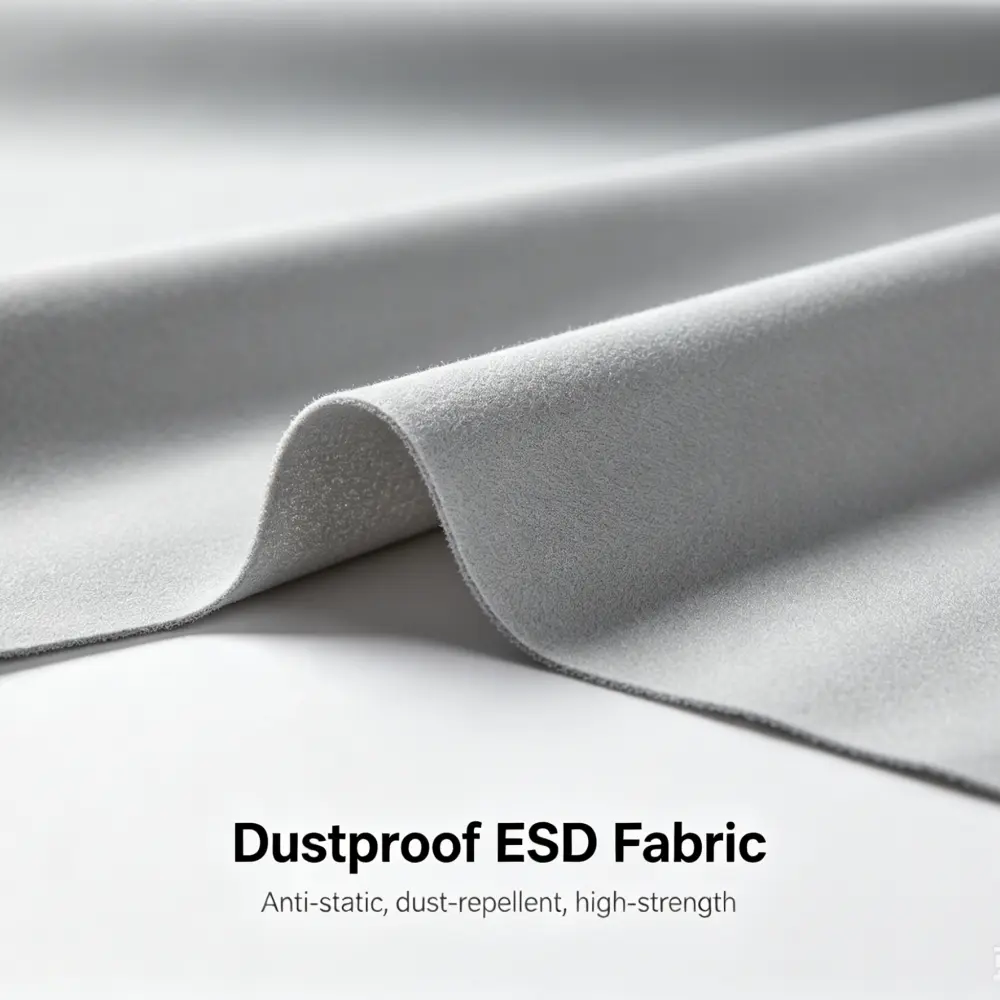
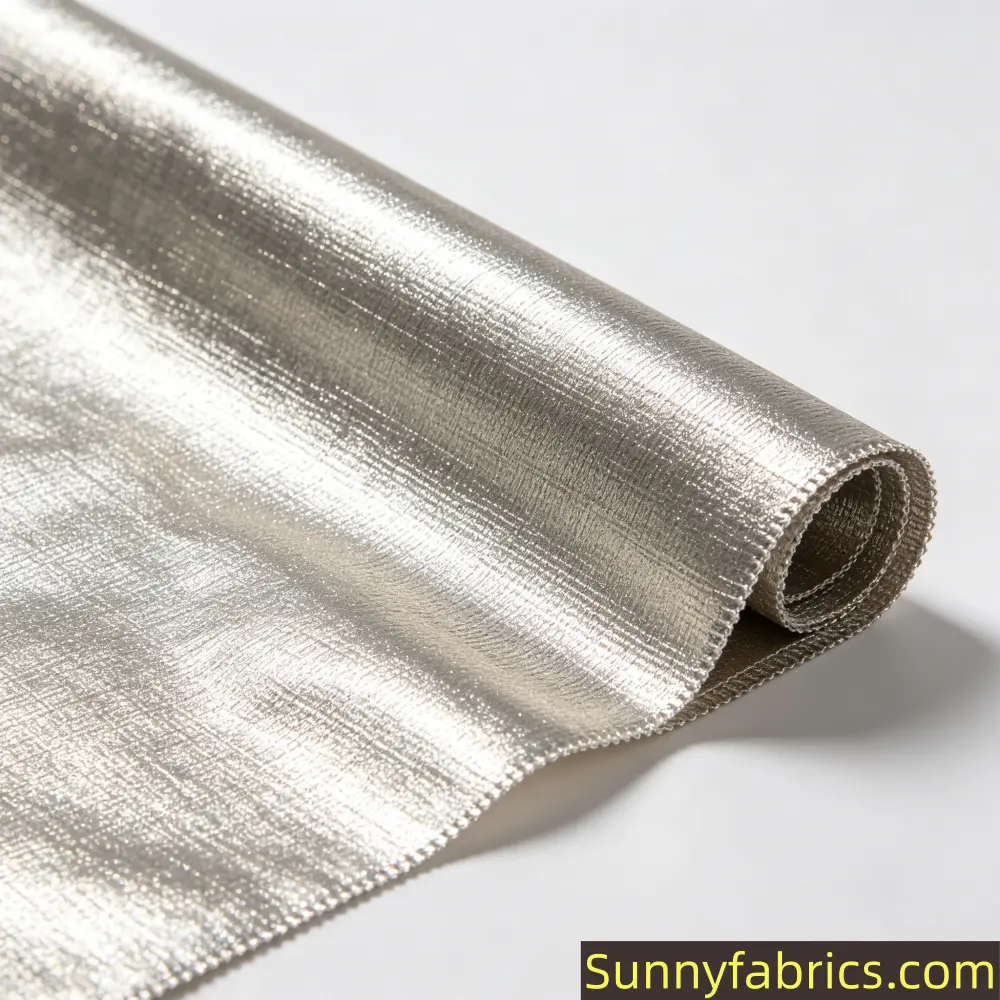
EMI anti‑static fabric integrates anti‑static dissipation and electromagnetic‑shielding performance within one textile substrate. Most qualified products adopt polyester base fabric with advanced metal‑plating technology, including copper‑nickel composite plating or silver plating process. The continuous conductive metal coating forms a Faraday‑like shielding network to reflect and absorb electromagnetic waves for high shielding‑effectiveness. At the same time, the conductive surface safely bleeds off accumulated static charge, avoiding static‑charge build‑up on material surface without generating sharp static spark discharge.
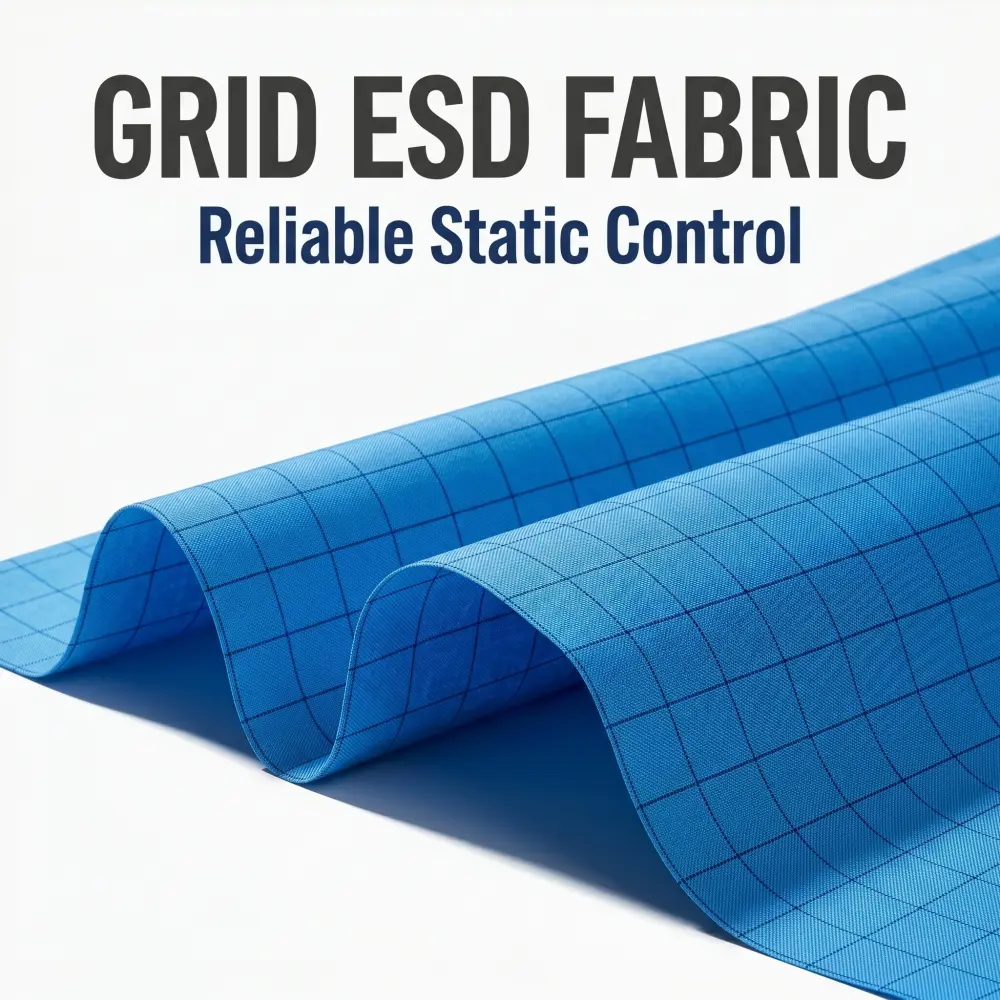
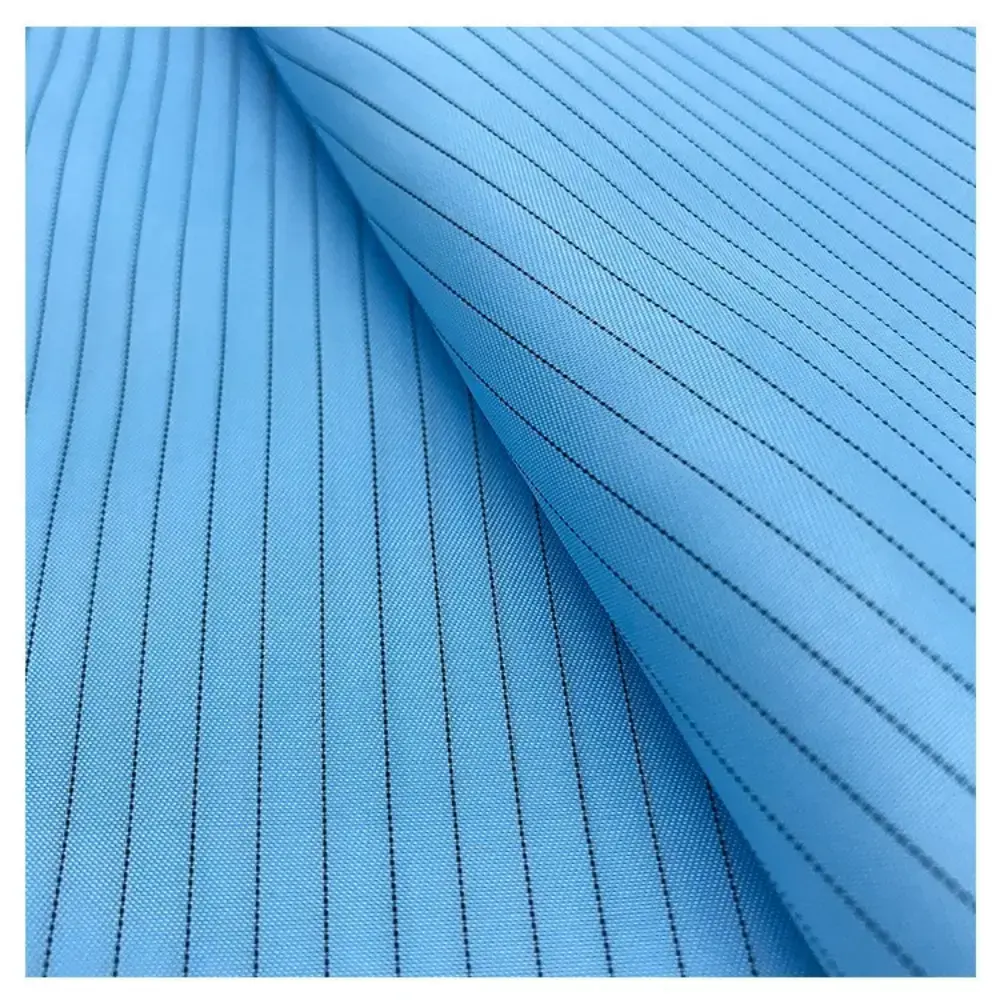
Not all so‑called “shielding fabric” on the market delivers stable dual‑function performance. Some low‑cost alternatives only provide simple EMI shielding but lack qualified static‑dissipation capacity; other anti‑static carbon‑grid textiles have limited electromagnetic‑blocking capability and cannot satisfy industrial EMC testing standards. Reliable EMI anti‑static fabric must balance key indexes: shielding effectiveness (dB value within target frequency band), stable surface resistance, metal‑layer adhesion strength, bending‑resistance performance and compliance with international environmental regulations such as RoHS and REACH. As a professional EMI fabrics manufacturer, we strictly test every batch against these critical indicators before goods leave factory, to help buyers avoid field‑failure risks caused by unstable material quality.
Core Technical Parameters You Must Evaluate When Sourcing EMI Anti‑Static Fabric
When purchasing or customizing EMI anti‑static fabric for industrial‑electronics projects, buyers should not judge product quality merely by unit price or supplier‑provided marketing descriptions. Several core technical parameters directly determine whether materials can pass downstream ESD and EMC verification tests.
- Shielding Effectiveness (SE‑dB): It measures material’s capacity to block electromagnetic‑wave transmission. For most consumer‑electronics and general‑industrial projects, 60‑70 dB shielding effectiveness within 30 MHz‑3 GHz frequency range meets regular demands; high‑end medical, automotive and telecommunication hardware usually requires 75‑85 dB performance index.
- Surface Resistance: Balanced resistance value realizes reliable static dissipation. Too‑low resistance brings short‑circuit risk, while excessive resistance fails to release static charges timely. Our standard‑grade EMI anti‑static fabric keeps stable surface‑resistance after repeated folding and friction.
- Metal‑Coating Adhesion: Poor plating‑layer adhesion will lead metal coating peel off after bending, die‑cutting or laminating processing, resulting in sharp decline of both shielding and anti‑static functions. We perform cross‑hatch adhesion test for every production batch to guarantee plating‑layer robustness.
- Physical‑mechanical Properties: Including fabric thickness, gram weight, tensile‑tear strength, bending durability. Many downstream customers will carry out die‑cutting, laminating with conductive adhesive, compound‑foam processing. Fabric must sustain secondary‑processing without cracking or coating shedding.
- Environmental Compliance: Materials must satisfy RoHS, REACH requirements for European and North‑American market import. Heavy‑metal exceedance will cause customs‑clearance block and product‑recall risk for finished electronic goods.
Besides above hard‑spec indexes, working‑environment conditions deserve full consideration. If your end‑product works under long‑term low‑humidity circumstance, or faces repeated thermal‑cycle changes, you need to communicate these application constraints with your EMI fabrics manufacturer in advance, so as to select or adjust formula for more reliable long‑term field‑performance.
Main Product Types Of Our EMI Anti‑Static Fabric
Based on base‑fabric weaving mode, metal‑plating formula and post‑processing options, we supply multiple series EMI anti‑static fabric to cover diversified industrial‑project budgets and technical‑demands.
1. Copper‑Nickel Plated EMI Anti‑Static Woven Fabric
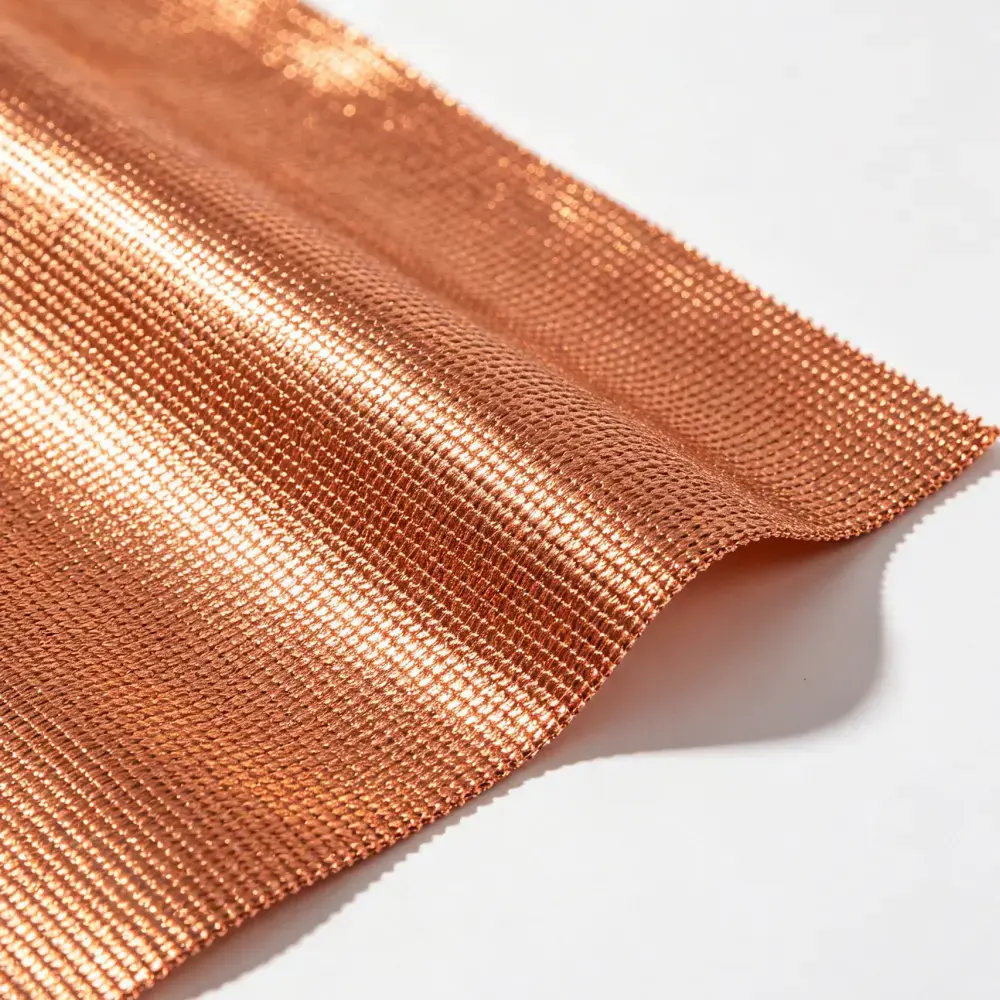
Copper‑nickel plating is our mainstream mature solution for industrial‑electronics market. Using plain‑weave polyester textile as substrate, composite copper‑nickel metal layer is evenly coated on fabric surface. This material balances shielding‑performance, anti‑static function and manufacturing‑cost very well. It supports die‑cutting into shielding gaskets, laminating conductive adhesive backing, compounding with foam materials. Widely applied in household‑appliance control‑panel shielding, communication‑equipment housing lining, consumer‑electronics internal‑shielding structure. We can customize fabric width, thickness and gram weight according to customer’s die‑cutting‑production‑line requirements.
2. Silver‑Plated High‑Grade EMI Anti‑Static Fabric
Silver‑plated fabric delivers higher‑level shielding‑effectiveness, excellent conductivity and corrosion‑resistance performance. It fits high‑reliability scenarios including medical electronic equipment, automotive on‑board control‑modules, precision instrument shielding. Compared with copper‑nickel series, silver‑plated material owns better oxidation‑resistance, maintaining stable performance under high‑humidity operating‑environment. Its unit cost is relatively higher, suitable for mid‑to‑high‑end finished‑product projects with strict reliability‑standards.
3. EMI Anti‑Static Fabric With Conductive‑Adhesive Backing
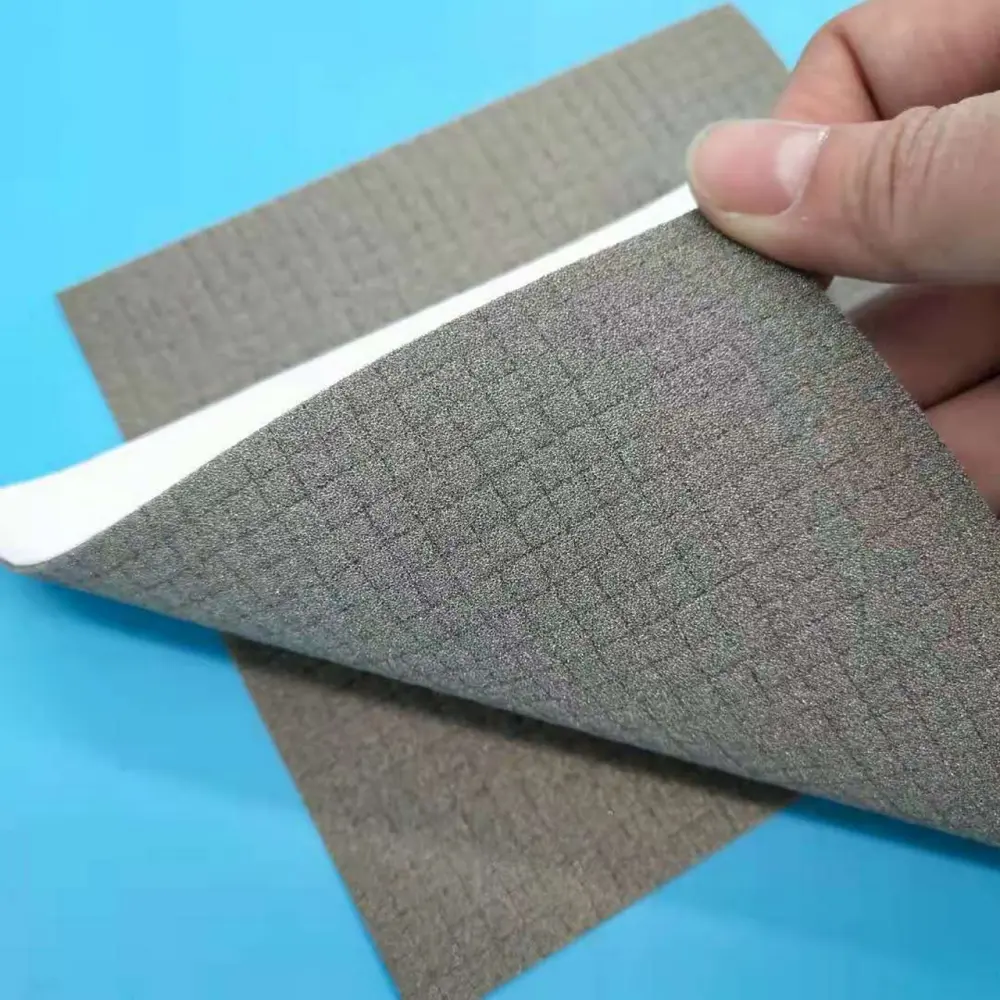
For customers requiring convenient on‑site attaching operation, we offer finished fabric with conductive acrylic‑adhesive backing and release‑paper liner. Pre‑coated conductive‑adhesive layer keeps electric continuity between fabric and device metal‑housing, realizing both EMI shielding and static‑grounding function at the same time. It saves downstream laminating‑processing steps for buyers and improves assembly efficiency of finished‑products. Backed‑fabric can be directly die‑cut into various irregular‑shape shielding‑pad components.
4. Light‑Weight Thin‑Type EMI Anti‑Static Fabric
Targeting compact, miniaturized modern electronic hardware such as wearable‑devices, thin‑form handheld‑terminals, this ultra‑thin lightweight fabric reduces overall structural‑thickness while retaining dual‑protection performance. It features outstanding flexibility, suitable for fitting curved surfaces and FPC flexible‑circuit assembly scenarios.
Typical Industrial‑Electronics Application Scenarios
Consumer Electronic Equipment
Smart speakers, set‑top boxes, tablet accessories and various smart home control‑units suffer EMI interference inside compact housing. Our EMI anti‑static fabric can be cut into shielding liners, isolating interference between internal circuit‑modules, meanwhile eliminating static‑accumulation risk caused by shell friction. Many OEM brand‑owners cooperate with us for mass‑supply of raw‑roll fabric for their die‑cutting‑suppliers.
Automotive Electronic Modules
New‑energy‑vehicle cabin contains numerous electronic‑control‑units, radar‑sensors and infotainment systems. Complex electromagnetic‑environment puts forward high requirements for shielding and static‑protection. Our EMI anti‑static fabric can be used for internal wiring harness wrapping, control‑box lining. For automotive projects, we will adjust formula to improve thermal‑aging‑resistance performance, adapting to wide temperature‑variation inside automobile cabins.
Medical Electronic Devices
Medical electronic instruments demand ultra‑stable signal‑acquisition and strict EMC compliance. External electromagnetic interference will affect measurement‑data accuracy; static‑discharge may disturb normal device operation. Our silver‑plated grade EMI anti‑static fabric is adopted in many medical‑equipment projects, helping finished‑products pass medical‑industry EMC certification‑tests.
Communication & Industrial Control Hardware
Network‑communication equipment, industrial‑control cabinets, sensor‑modules need to resist external electromagnetic noise and prevent static‑damage during production‑assembly and long‑time running. Our roll‑stock fabric serves as cost‑effective flexible‑shielding alternative comparing with traditional metal‑shield‑sheet, reducing equipment overall‑weight and simplifying mechanical‑assembly design.
Electronics‑Manufacturing‑Workshop Auxiliary Materials
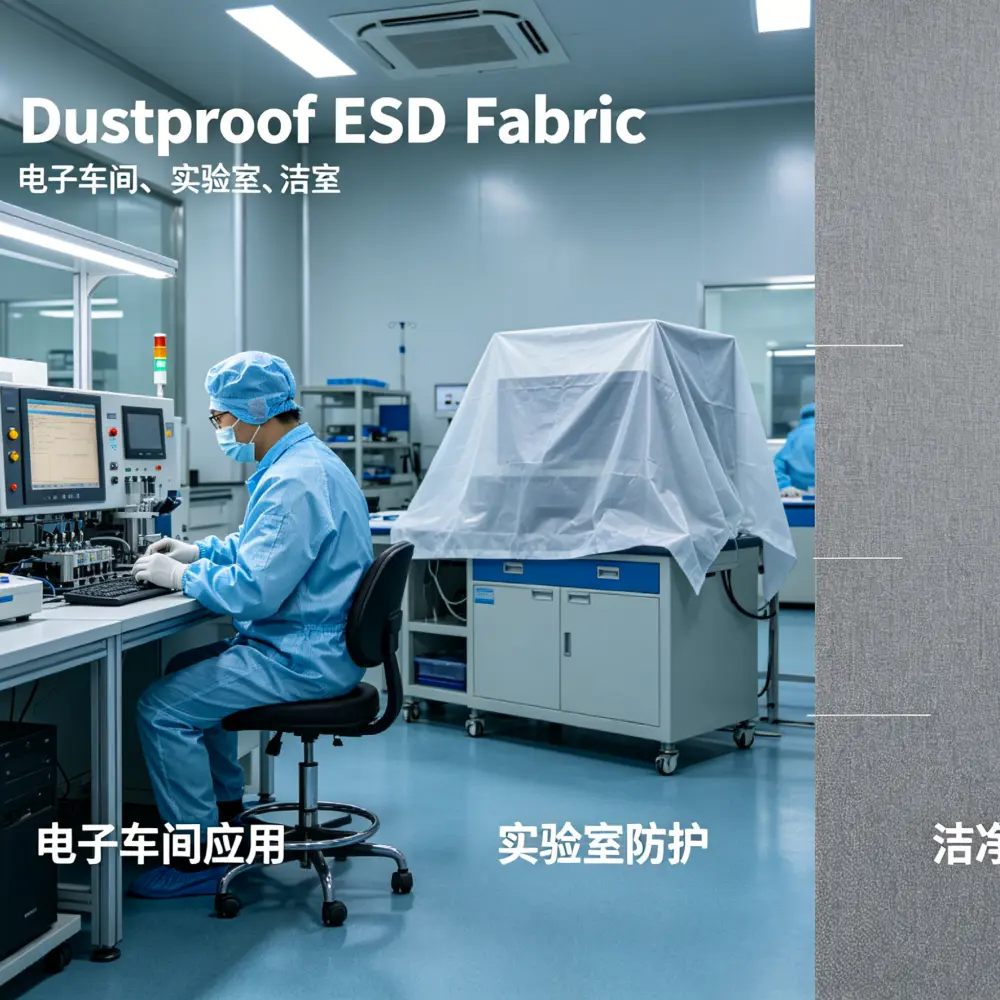
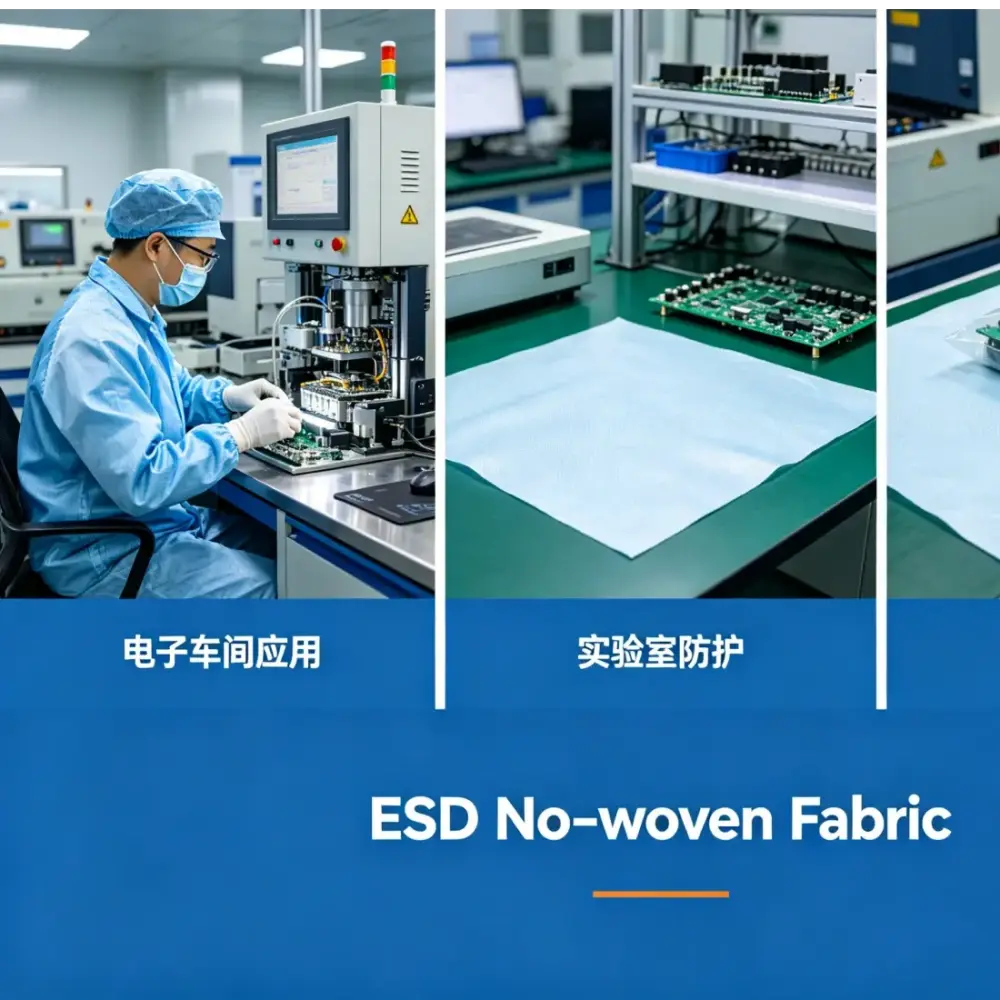
Besides built‑in component‑shielding inside finished‑goods, this material can also be processed into ESD‑shielding curtain, isolation‑partition materials for electronics‑assembly workshops, realizing space‑level EMI‑isolation and static‑control simultaneously.
Full‑Range OEM & ODM Customization Services From Our Factory
As a professional EMI fabrics manufacturer, we provide complete one‑stop OEM‑ODM customization solutions instead of merely supplying standard‑spec roll‑goods. Global industrial‑electronics clients can adjust multiple dimensions of material performance and physical‑spec according to their own project‑targets.
Customizable Items
- Plating‑formula customization: copper‑nickel plating, silver‑plated formula adjustment for different shielding‑grade and anti‑static‑demands
- Physical‑size custom: fabric width, thickness, gram‑weight, roll‑length to match customer’s die‑cutting‑equipment
- Back‑processing option: with / without conductive‑adhesive backing, different release‑liner types
- Special‑performance tuning: enhance bending‑resistance, high‑humidity anti‑oxidation, temperature‑resistance for harsh‑working‑conditions
- Packaging‑customization: private‑label roll‑packaging, specification‑label printing for brand‑customer
- Sample‑before‑bulk workflow: supply test‑sample rolls for client’s lab‑verification before mass‑production launch
Our MOQ for standard stock‑material is low for trial‑order; formal OEM customized‑order MOQ depends on adjustment‑complexity. Our internal laboratory completes shielding‑effectiveness testing, surface‑resistance inspection, coating‑adhesion test for each batch. After sample confirmation, we carry out standardized mass‑production, implement multi‑step intermediate‑process inspection to control defect‑rate. All finished‑goods come with test‑report supporting customer’s downstream‑product certification‑work.
Common Pitfalls When Sourcing EMI Anti‑Static Fabric
Many industrial‑electronics buyers meet quality‑accidents because of ignoring hidden risks during material‑procurement phase. We summarize several frequent pitfalls for your reference.
First pitfall: only check lab‑test‑report of new‑fabric, without verifying performance after bending and die‑cutting. Some cheap fabric shows qualified indexes on original roll, but metal‑plating peels after folding or die‑cut processing, both EMI‑shielding and anti‑static‑performance drop sharply. Buyers must simulate real downstream‑processing steps in sample‑evaluation stage.
Second pitfall: confusing pure‑EMI‑shielding fabric and dual‑function EMI anti‑static fabric. Some suppliers deliver ordinary conductive shielding‑fabric which lacks qualified static‑dissipation capacity. It will trigger ESD‑failure in finished‑product reliability‑test. Always clarify dual‑index requirements to your EMI fabrics manufacturer at inquiry‑beginning.
Third pitfall: ignoring environmental‑compliance risk. Non‑compliant plating‑material may contain excessive heavy‑metal substance, causing European or North‑American customs‑detention and product‑recall loss. Request formal RoHS / REACH test‑certificate for every batch of incoming‑material.
Fourth pitfall: mismatching shielding‑frequency‑band. Shielding‑effectiveness dB‑value is bound to specific frequency‑range. A fabric with high dB index under low‑frequency may perform poorly under high‑frequency 5G‑related band. Please provide your target working‑frequency‑band when sending inquiry.
Frequently Asked Questions For Industrial‑Electronics Buyers
Q1: Can EMI anti‑static fabric replace metal shielding‑sheet completely?
A: It depends on mechanical‑structure‑demands. EMI anti‑static fabric owns prominent advantages in flexibility, complex‑surface fitting and weight‑reduction. But for scenarios requiring high mechanical‑strength structural‑support, it needs to cooperate with partial metal‑structure. Our technical team can give material‑selection suggestion after learning your housing‑design drawing.
Q2: What is your sample‑service process?
A: We provide limited‑length sample rolls for customer lab‑testing. Customers pay sample‑cost and freight; sample‑fee can be deducted from follow‑up formal bulk‑order. Standard‑spec samples can be delivered within 3‑5 working‑days.
Q3: What is your mass‑production lead‑time?
A: Stock standard‑spec goods can ship shortly. OEM customized‑fabric lead‑time is about 15‑25 working‑days, subject to customization‑complexity and order‑volume after sample‑confirmation.
Q4: Can you provide third‑party lab‑test‑report?
A: Yes. We can supply internal factory‑test‑report for each batch; we also support customers to designate third‑party laboratory for independent inspection according to purchasing‑contract terms.
Conclusion: Select Reliable EMI Fabrics Manufacturer For Your Industrial‑Electronics Projects
High‑quality EMI anti‑static fabric is invisible but critical foundational‑material for modern industrial‑electronics hardware. Bad‑quality cheap fabric will bring series‑chain‑risks including finished‑product reliability‑failure, certification‑rejection and after‑sales‑complaint losses. we are professional EMI fabrics manufacturer with mature plating‑production‑lines, in‑house testing‑capability and rich OEM‑ODM project‑experience, we deliver stable‑quality dual‑protection textile‑material for global industrial‑electronics clients. As a trusted EMI fabrics manufacturer, we focus not only on selling roll‑goods, but also on providing material‑application technical‑support, helping customers solve shielding‑and‑static‑control challenges in product‑development phase.
If you are sourcing standard‑spec EMI anti‑static fabric or planning customized material for new‑generation industrial‑electronics projects, welcome to send inquiry for sample‑arrangement, detailed‑spec‑sheet and quotation.


Recent Comments
Latest blogs

Share your thoughts
All fields marked with an asterisk() are required