Ultimate Guide: How to Source High-Quality ESD, EMI Shielding & RFID Blocking Fabrics from China
Introduction
Across global electronics manufacturing, medical devices, security products, and new energy industries, ESD anti-static fabrics, EMI shielding fabrics, and RFID blocking fabrics have become essential functional materials. They protect sensitive components from electrostatic damage, block harmful electromagnetic interference, and prevent unauthorized RFID signal scanning—directly impacting product quality, safety, and compliance.
China offers one of the most complete industrial chains and mature production systems for functional conductive fabrics, making it a top sourcing destination for international B2B buyers. However, inconsistent quality, misleading suppliers, weak quality control, and non-compliant materials remain common pain points for overseas purchasers.
This comprehensive guide helps global buyers understand core product differences, verify technical performance, identify genuine Chinese factories, manage procurement risks, and build long-term stable supply chains. For professional, consistent, and customizable ESD, EMI, and RFID fabrics, trusted manufacturers like Sunny Fabrics deliver reliable solutions for bulk and OEM orders worldwide.
1. Core Differences & Applications of ESD, EMI & RFID Fabrics
1.1 ESD Anti-Static Fabric
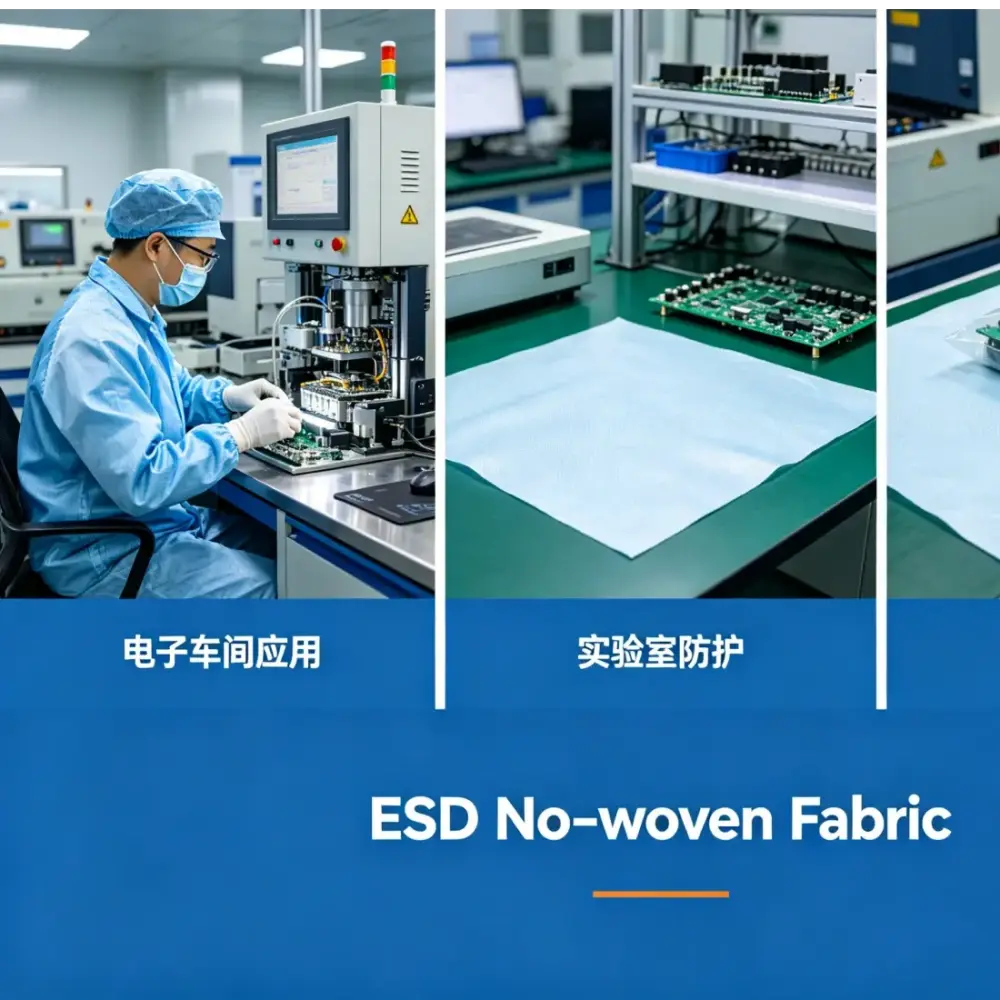
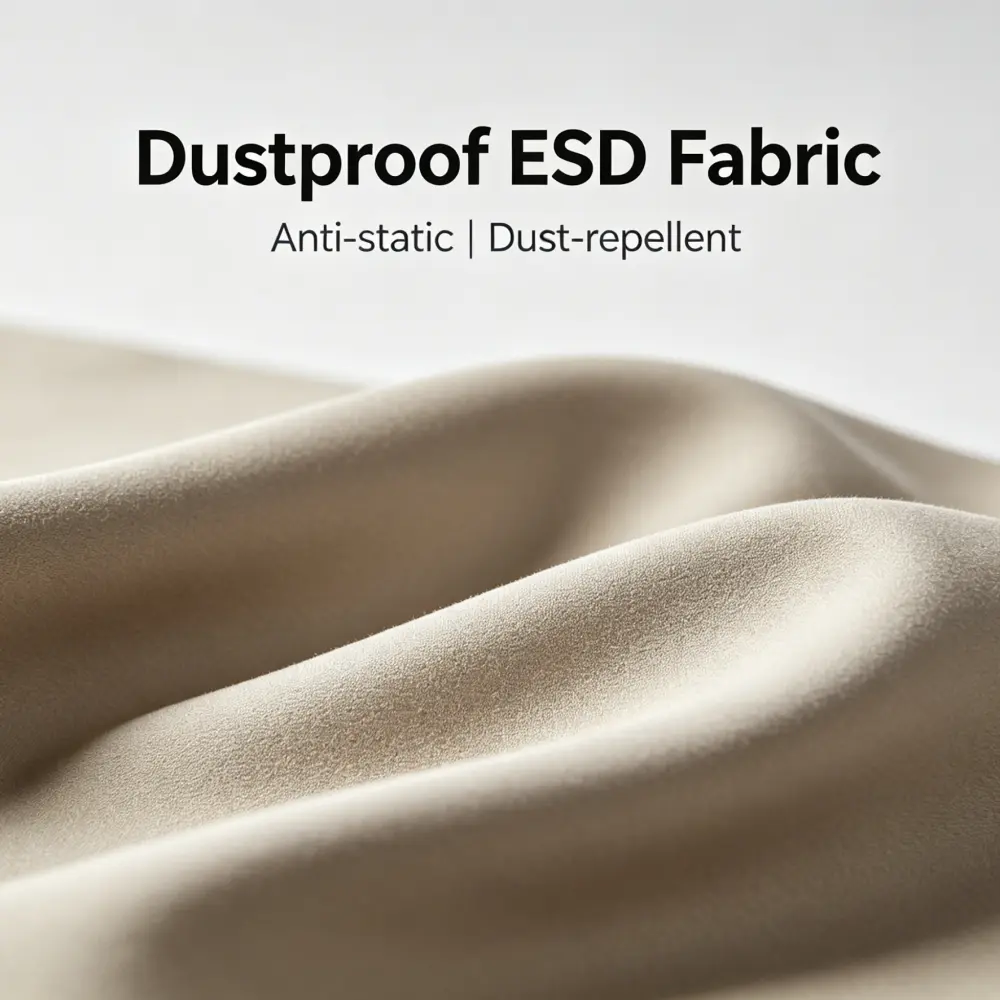
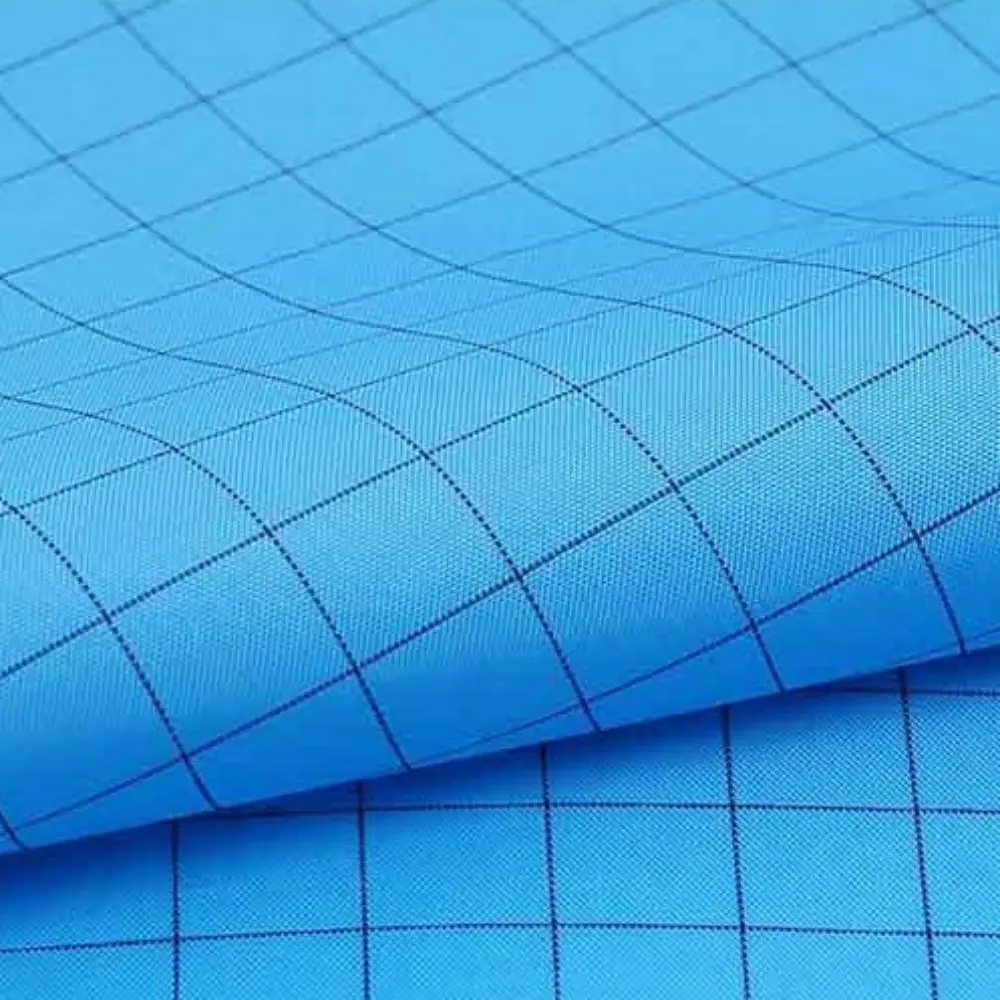
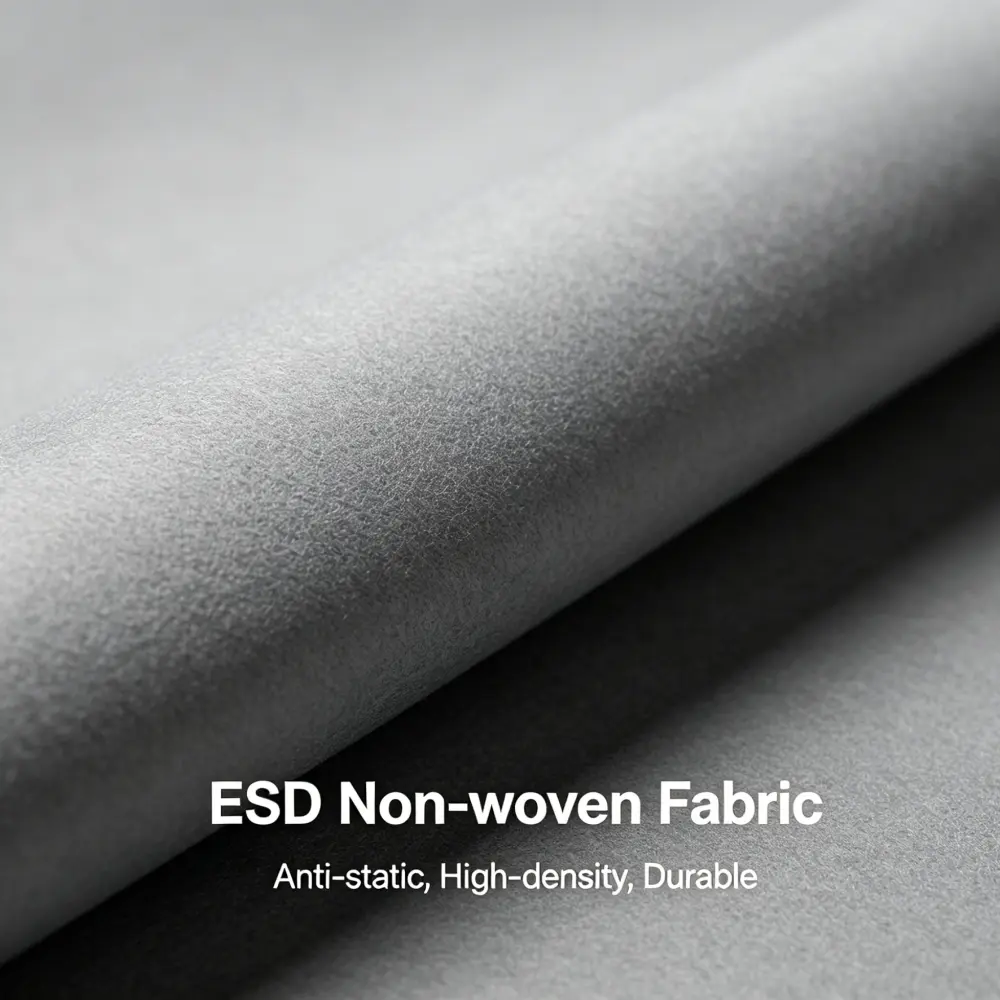
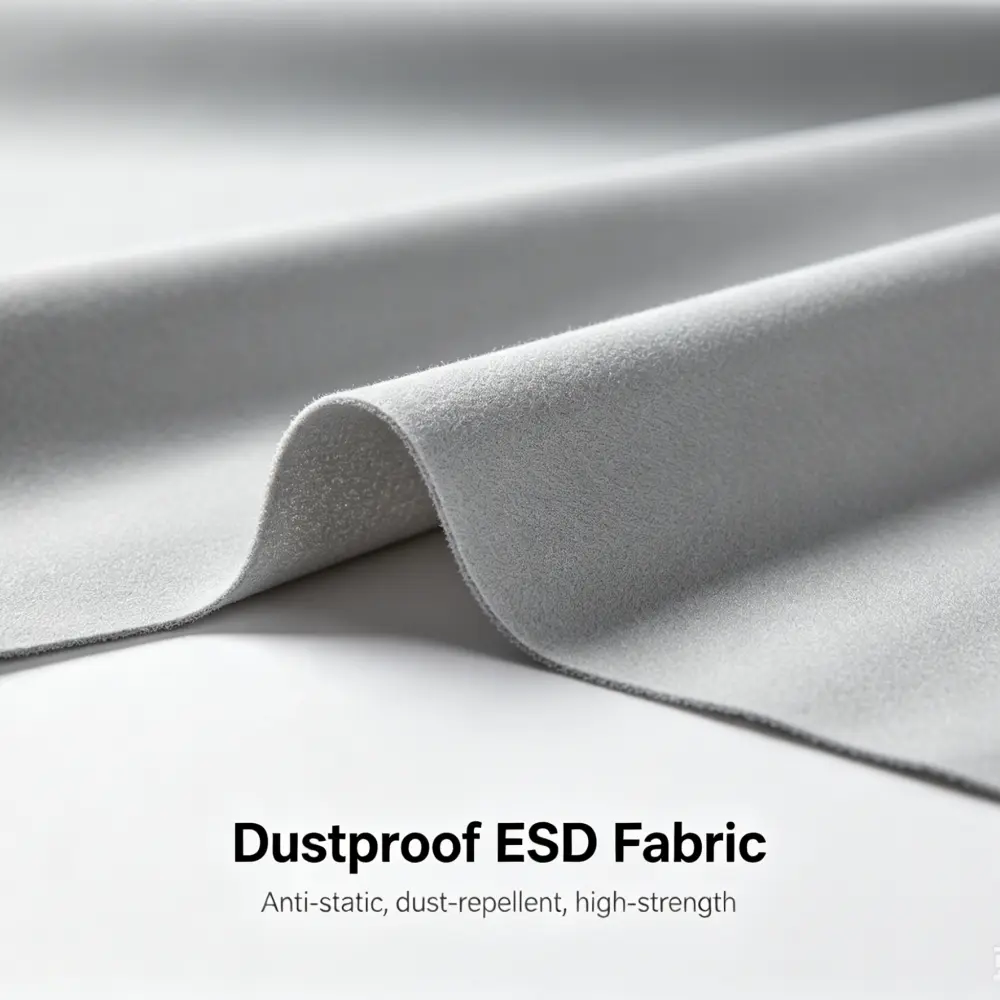
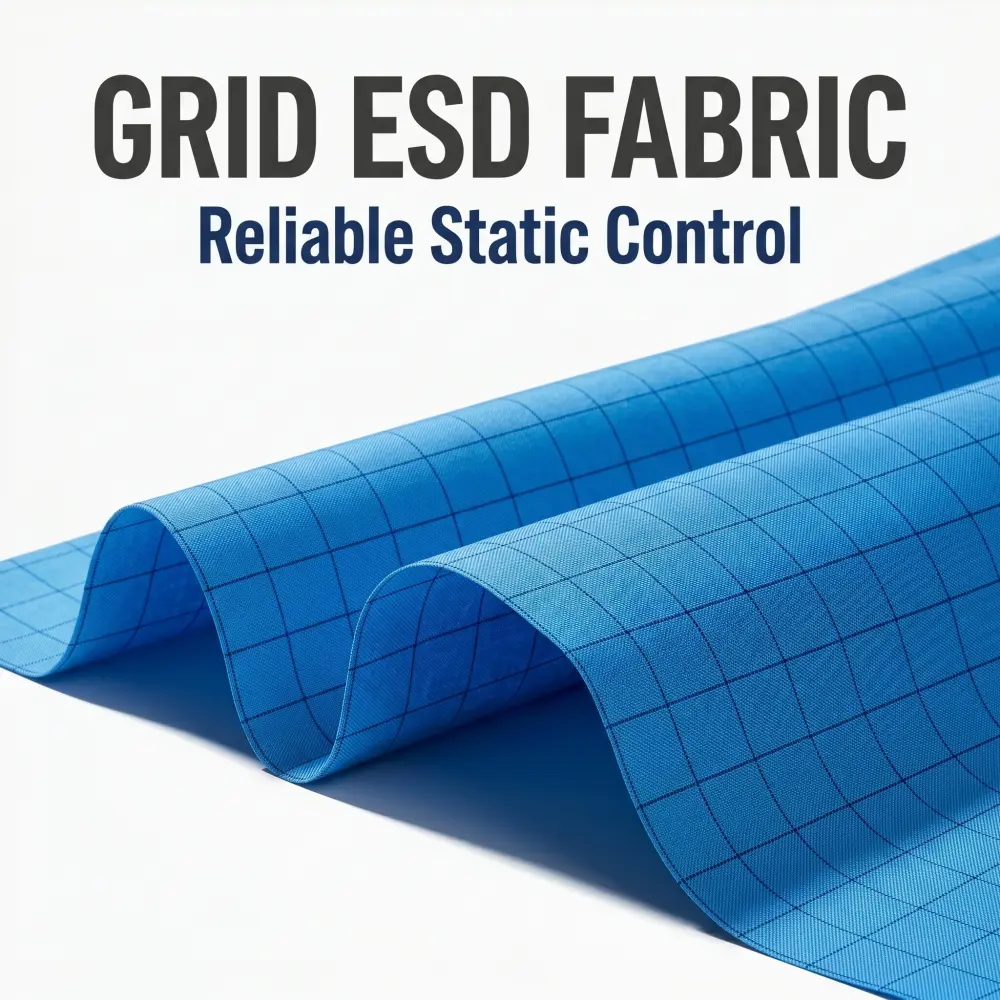
ESD (Electrostatic Discharge) fabrics are designed to safely dissipate static electricity generated during production, handling, packaging, and transportation. They prevent static buildup that can damage chips, PCBs, sensors, and delicate electronics.
Key function: Static discharge and surface resistance control.
1.2 EMI Shielding Fabric
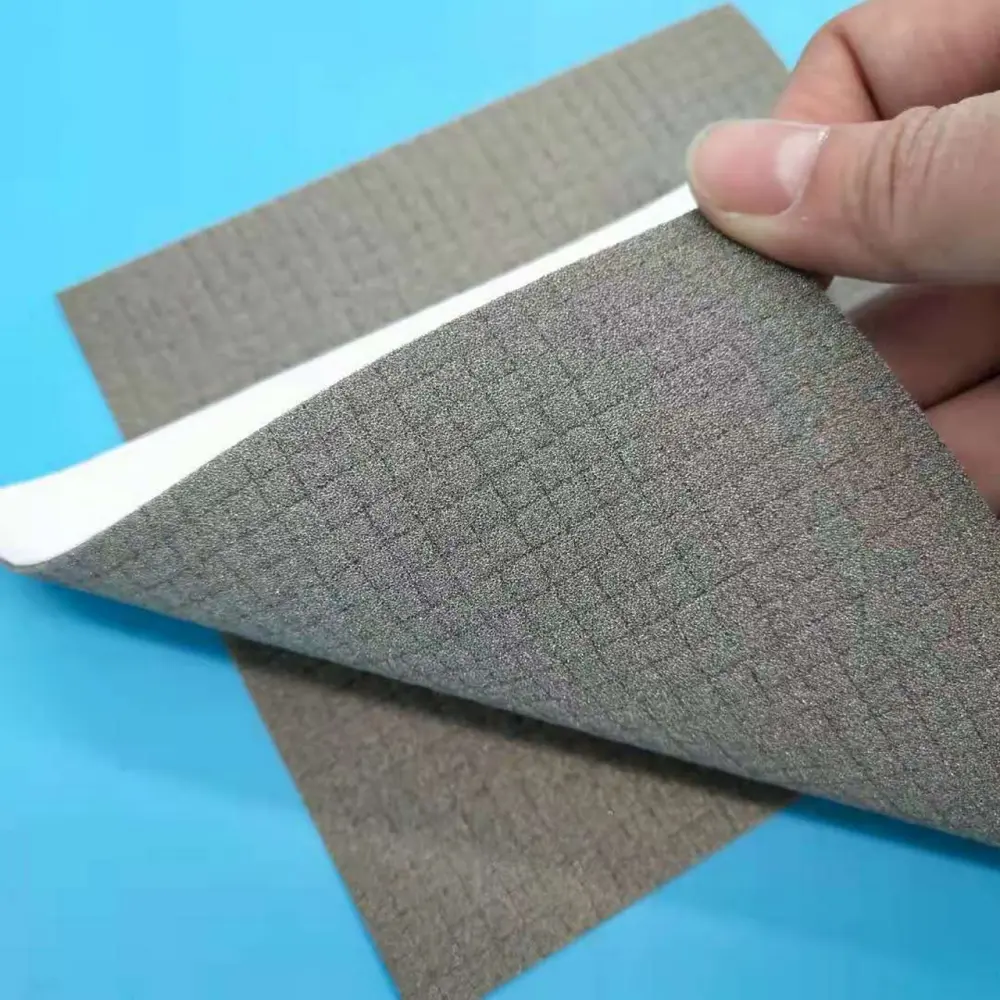
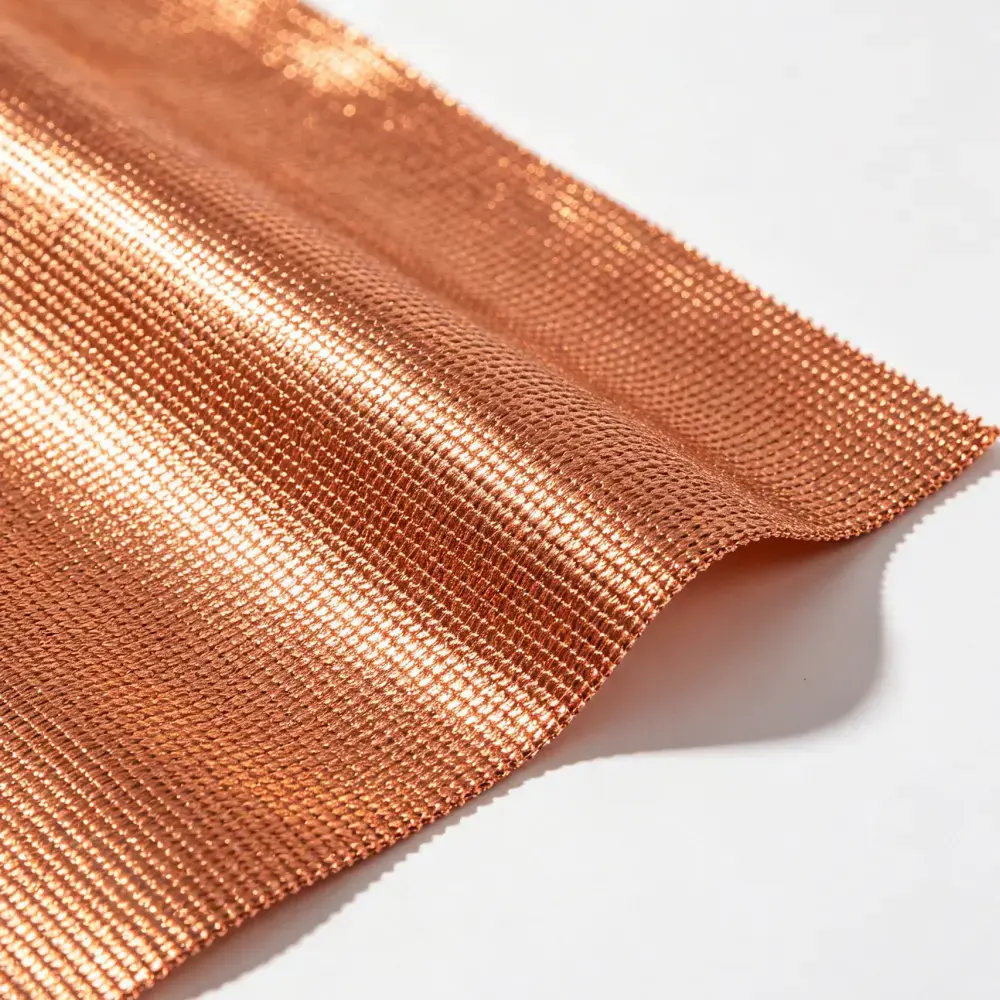
EMI (Electromagnetic Interference) shielding fabrics use high-conductivity coatings (such as copper-nickel) to reflect and absorb electromagnetic waves. They prevent signal interference, ensure equipment stability, and meet EMC requirements for industrial and medical devices.
Key function: Block electromagnetic radiation and signal crosstalk.
1.3 RFID Blocking Fabric
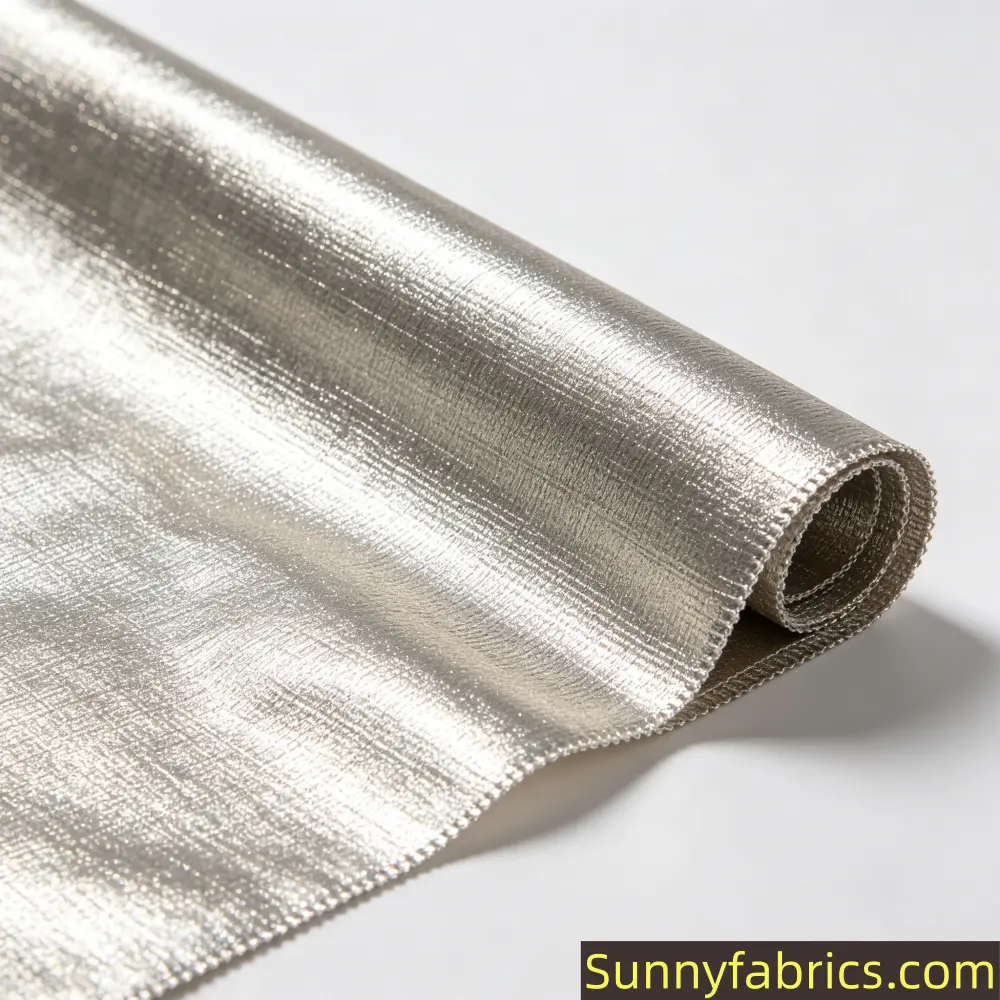
RFID blocking fabrics create a secure signal barrier to stop unauthorized reading of credit cards, passports, access cards, and logistics tags. They are widely used in anti-theft bags, secure packaging, and personal protection products.
Key function: Shield 13.56MHz and 915MHz RFID signals.
1.4 Major Industry Applications
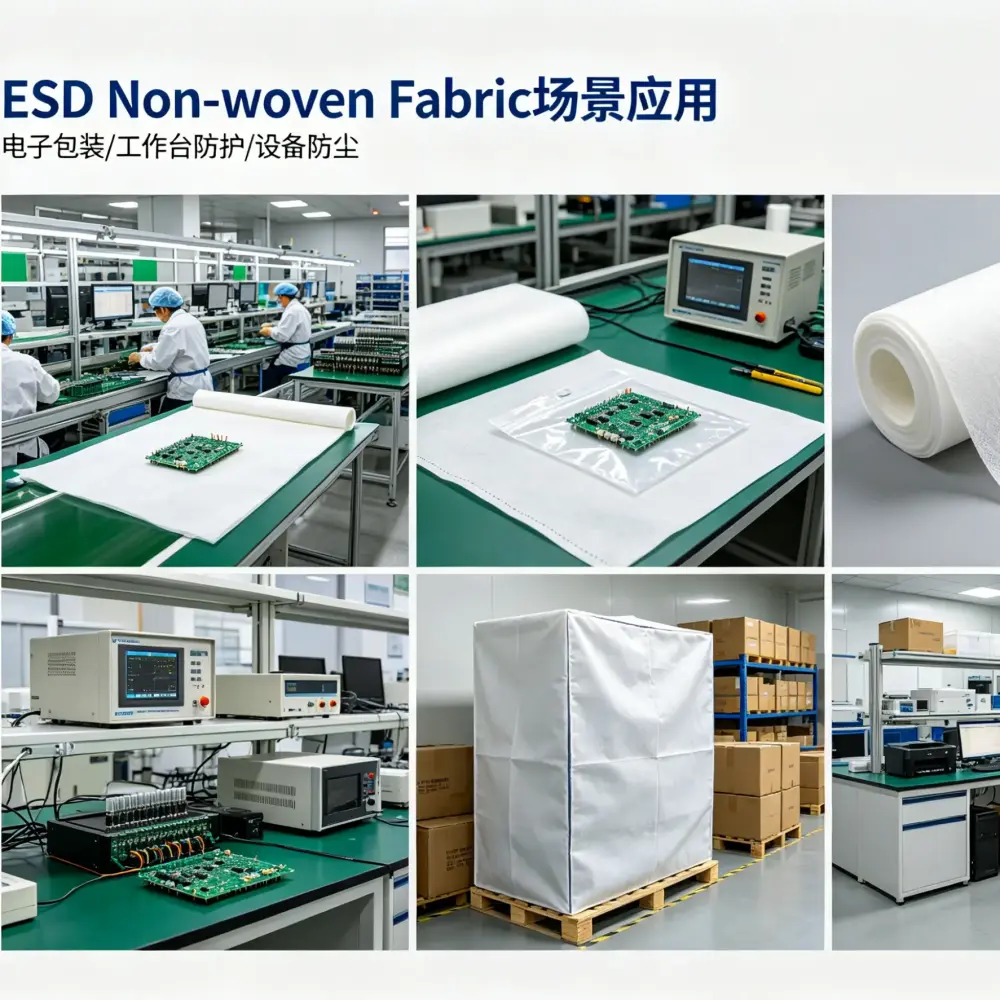
- Electronics manufacturing: PCB packaging, cleanroom materials, static-safe covers
- Medical devices: monitors, diagnostic equipment, portable healthcare tools
- Security & logistics: anti-skimming wallets, confidential packaging, tamper-proof solutions
- New energy: battery packs, vehicle electronics, energy storage systems
- Industrial & smart home: control modules, communication devices, home appliances
1.5 Common Selection Mistakes to Avoid
- Confusing ESD, EMI, and RFID functions (they are not fully interchangeable)
- Choosing low-cost fabrics with poor coating adhesion and fast performance decay
- Ignoring aging, friction, and environmental durability tests
2. Technical Parameters & Quality Verification Standards
2.1 ESD Anti-Static Fabric Key Specifications
- Surface resistance: 10⁶–10⁹ Ω
- Charge decay time: < 0.1 seconds
- Stable performance in -20℃ to 60℃ environments
2.2 EMI Shielding Fabric Performance
- Shielding effectiveness: 30–60dB (industrial standard)
- Test standards: ASTM D4935, MIL-STD-1310
- Durable copper-nickel coating, no peeling after repeated folding
2.3 RFID Blocking Fabric Requirements
- Effective blocking for 13.56MHz (bank cards, passports)
- Signal attenuation rate > 99%
- Stable performance after washing and bending
2.4 How to Verify Genuine Test Reports
- Check ISO17025-certified labs
- Verify report serial numbers online
- Confirm batch-specific test data
3. How to Identify Genuine Chinese Fabric Factories
3.1 Key Qualifications to Check
- ISO9001 quality management system
- RoHS, REACH compliance for EU & US markets
- Factory audit reports and production records
3.2 Factory vs. Trading Company
- Factories provide workshop videos, equipment lists, and in-house testing
- Factories support flexible MOQ and custom development
- Factories offer technical support instead of only price quotes
3.3 Full-Cycle Quality Control System
- IQC: Incoming raw material inspection
- IPQC: In-production parameter monitoring
- OQC: Final performance and appearance inspection
4. Full-Process Procurement Risk Management
4.1 Sample Testing & Validation
Always test samples for performance, durability, and environmental adaptability before mass orders. Qualified manufacturers support free sample provision for professional evaluation.
4.2 Customization Capabilities
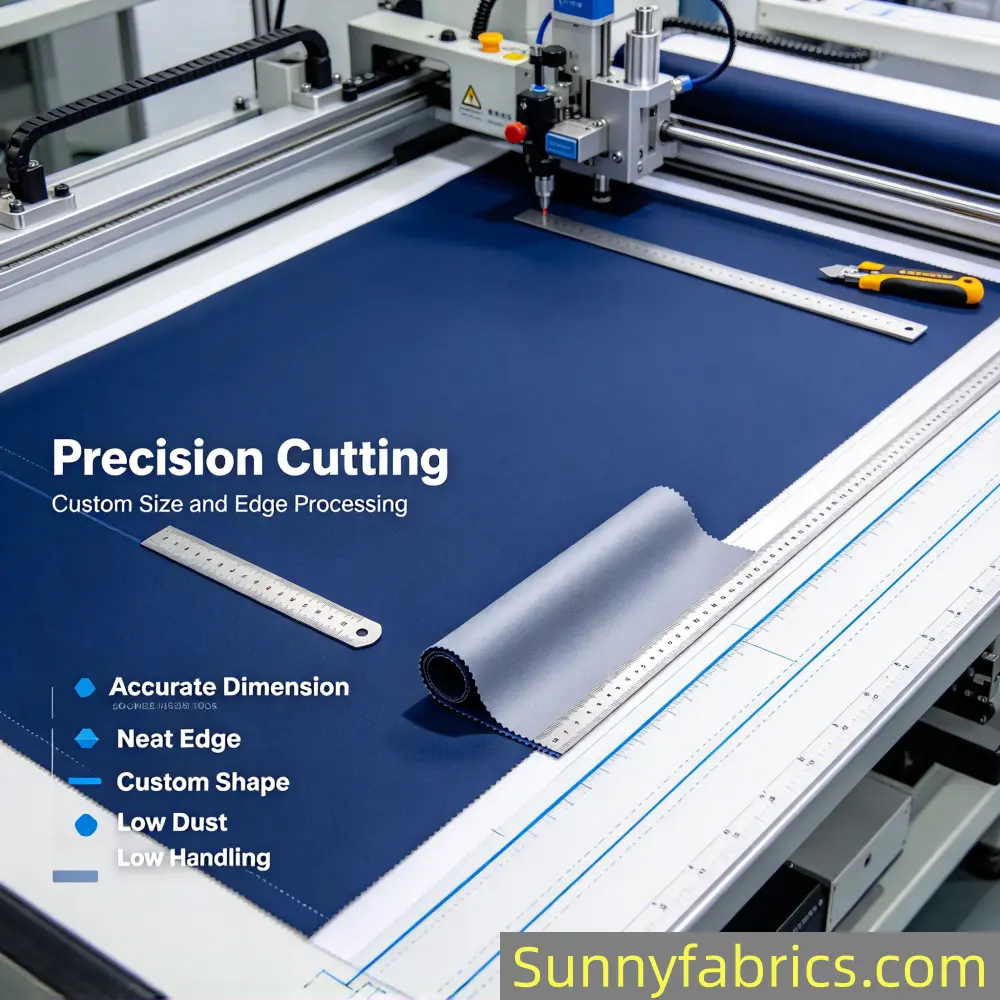
Top Chinese manufacturers support custom width, thickness, color, coating, and functional performance to match your product design requirements.
4.3 Order & Contract Essentials
- Clear acceptance standards and tolerance ranges
- Defined lead time and delivery terms
- After-sales terms for defective products
- Confidentiality for custom designs
4.4 Packaging, Shipping & Customs Clearance
Professional factories use anti-static, moisture-proof packaging and provide full export documentation to ensure smooth customs clearance in Europe, North America, and beyond.
5. Cost Control & Long-Term Supply Chain Stability
5.1 Why Prices Vary Among Chinese Suppliers
- Raw material quality (base fabric & coating purity)
- Production process and coating technology
- Quality control intensity and testing costs
- Customization and after-sales service system
5.2 Hidden Risks of Ultra-Low-Cost Fabrics
- Coating peeling and rapid performance failure
- Batch inconsistency and high rejection rates
- Non-compliant materials leading to customs issues
- Short product lifespan and brand reputation damage
5.3 Benefits of Long-Term Partnerships
- Stable production capacity and priority scheduling
- Continuous product optimization and technical support
- Better pricing for bulk and recurring orders
- Inventory coordination to reduce your stock pressure
6. Frequently Asked Questions & Solutions
6.1 Performance Failure
Solution: Reconfirm application scenarios, adjust coating formula, and conduct third-party testing.
6.2 Batch Inconsistency
Solution: Work with factories that enforce strict batch testing and stable production parameters.
6.3 Customs & Compliance Issues
Solution: Use RoHS/REACH-certified materials and complete full documentation before shipment.
6.4 Delivery & After-Sales Delays
Solution: Sign clear contracts and choose manufacturers with responsive after-sales teams.
Conclusion
Sourcing high-quality ESD, EMI shielding, and RFID blocking fabrics from China requires careful evaluation of product performance, factory qualifications, quality control, and supply chain stability. The right partner helps you reduce risks, lower long-term costs, and maintain consistent product quality.
If you’re looking for a reliable, experienced, and customer-focused manufacturer for industrial-grade functional fabrics, Sunny Fabrics provides full-service solutions including custom development, bulk production, and global delivery for businesses worldwide.
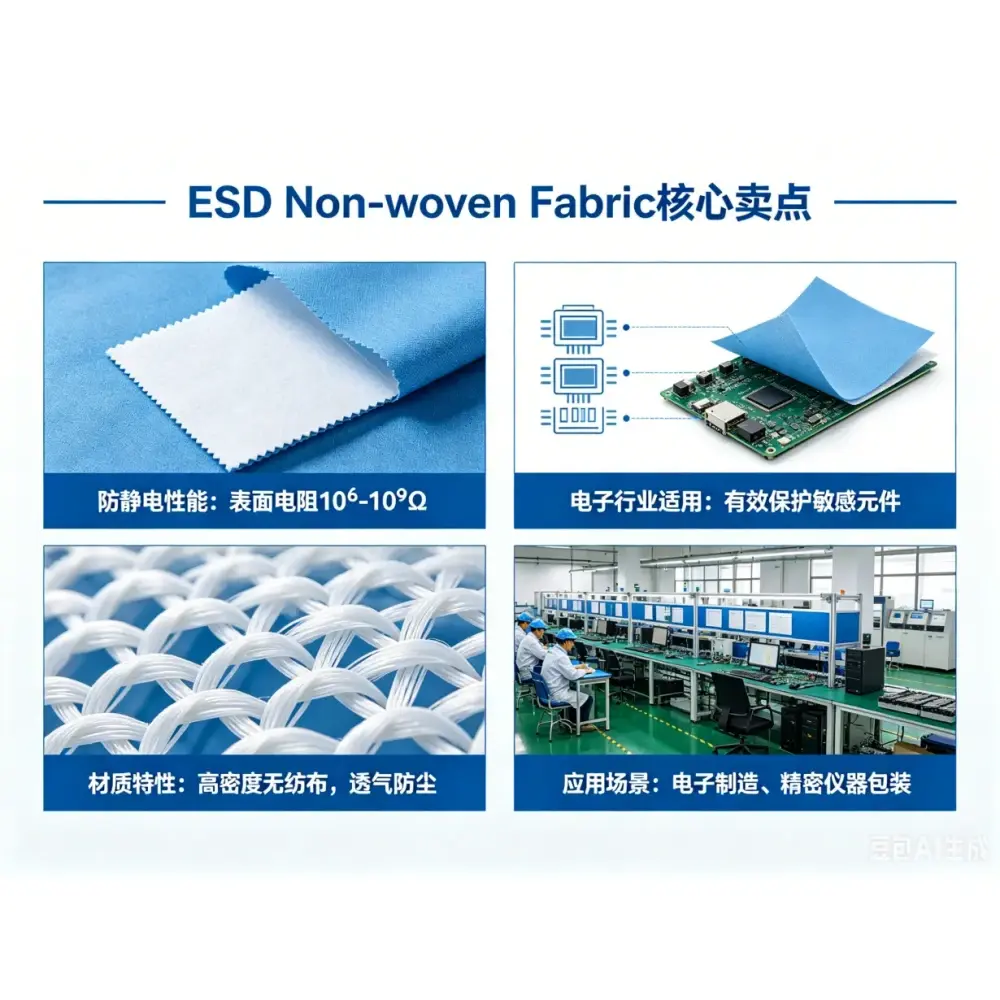
| Product Name | Industrial ESD Non-woven Fabric |
| Surface Resistance | 10E9 to 10E11 ohm |
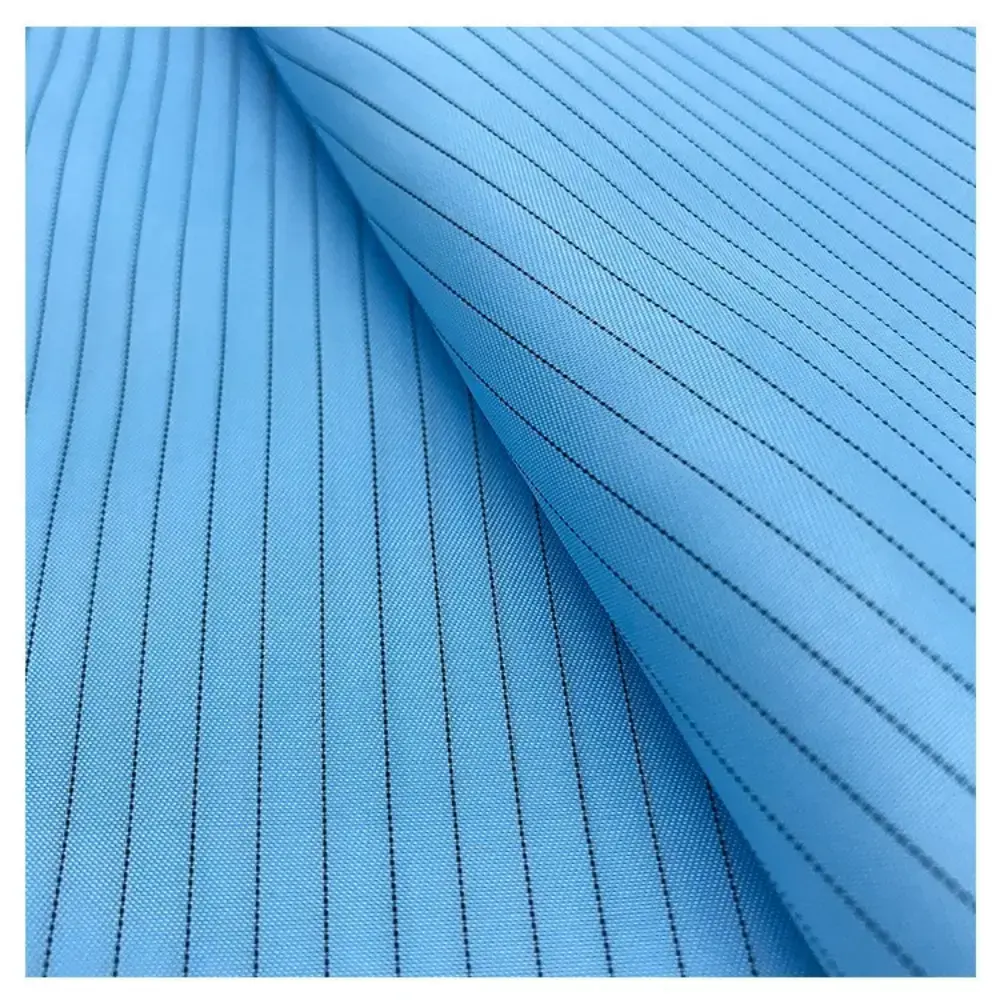
| Conductive Structure | Unidirectional carbon stripe |
| Material | 100% Polyester plus carbon conductive filament |
| Weaving Style | Plain weave or Twill weave |
| Conductive interval | 0.5 cm or 1 cm |
| Static decay time | under 0.5 s |
| Fabric weight | 80-200 g per square meter |
| Width | 1.0 m / 1.2 m / 1.5 m customized |
| Available colors | "Navy blue, light blue, grey" |
| Wash resistance | above 50 times washing |
| Features | "Dustproof, anti-static, soft, breathable" |
| Application | "ESD work clothes, cleanroom garment, electronic workshop" |
| Certification | "RoHS, REACH" |
| Roll length | 50 m / 100 m per roll |
Recent Comments
Latest blogs


Share your thoughts
All fields marked with an asterisk() are required