Copper‑Plated vs Nickel‑Plated vs Silver‑Plated EMI Shielding Fabric: Full Comparison for OEM Buyers
For industrial OEM buyers, electronic product designers, and procurement teams sourcing functional textile materials from China, selecting the right EMI shielding fabric is one of the most critical decisions for product performance, durability, and cost control. Copper-plated, nickel-plated, and silver-plated EMI shielding fabrics dominate the global conductive textile market, yet most importers struggle to distinguish their core differences in shielding efficiency, corrosion resistance, service life, OEM adaptability, and wholesale pricing. As a professional China EMI shielding fabric manufacturer with rich OEM and ODM customization experience, we break down the full specifications, pros and cons, application scenarios, and sourcing tips of the three mainstream metal-plated shielding fabrics in this ultimate guide, helping global buyers make data-driven purchasing decisions and avoid common sourcing pitfalls.
1. Core Overview of Three EMI Shielding Fabrics From Professional Manufacturers
All copper-plated, nickel-plated, and silver-plated EMI shielding fabrics are woven based on high-tensile polyester or nylon fiber substrates, with professional metal electroplating technology adopted by formal EMI shielding fabric manufacturers. The base fabric provides mechanical strength, flexibility, and processing performance, while the metal plating layer delivers electrical conductivity and electromagnetic shielding capability. Different plated metals directly change the material’s conductivity, oxidation resistance, surface resistance, and final cost. Many new OEM buyers mistakenly assume all conductive fabrics offer identical EMI shielding results. In reality, choosing the wrong plated material can lead to field failure, product rework, and extra long-term costs.
A reliable EMI shielding fabric manufacturer will not only supply standard roll goods but also offer custom width, thickness, composite lamination, die-cutting support, and third-party test reports for OEM projects. Before comparing technical parameters, it is essential for OEM buyers to clarify their project requirements: working frequency range, operating environment (humidity, salt spray, temperature), mechanical stress (washing, bending, stretching), budget range, and post-processing methods such as sewing or hot pressing.
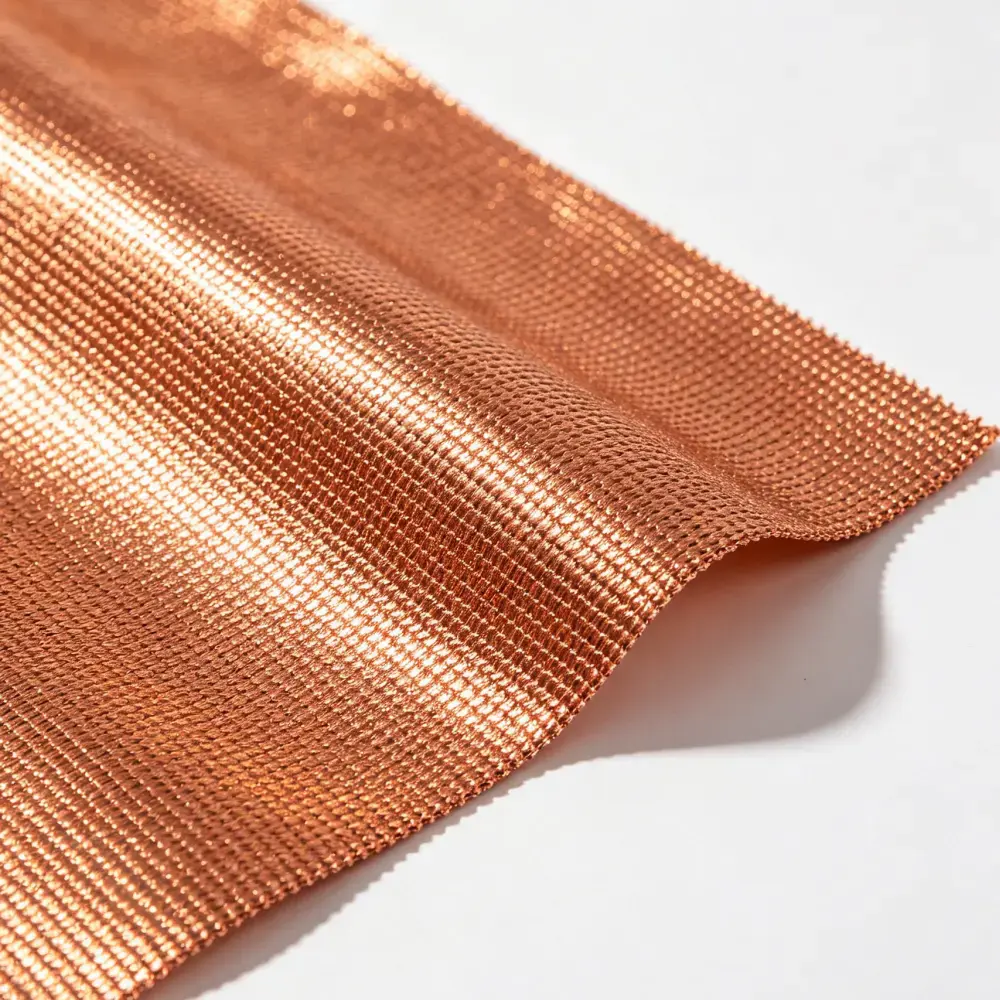
1.1 Copper-Plated EMI Shielding Fabric
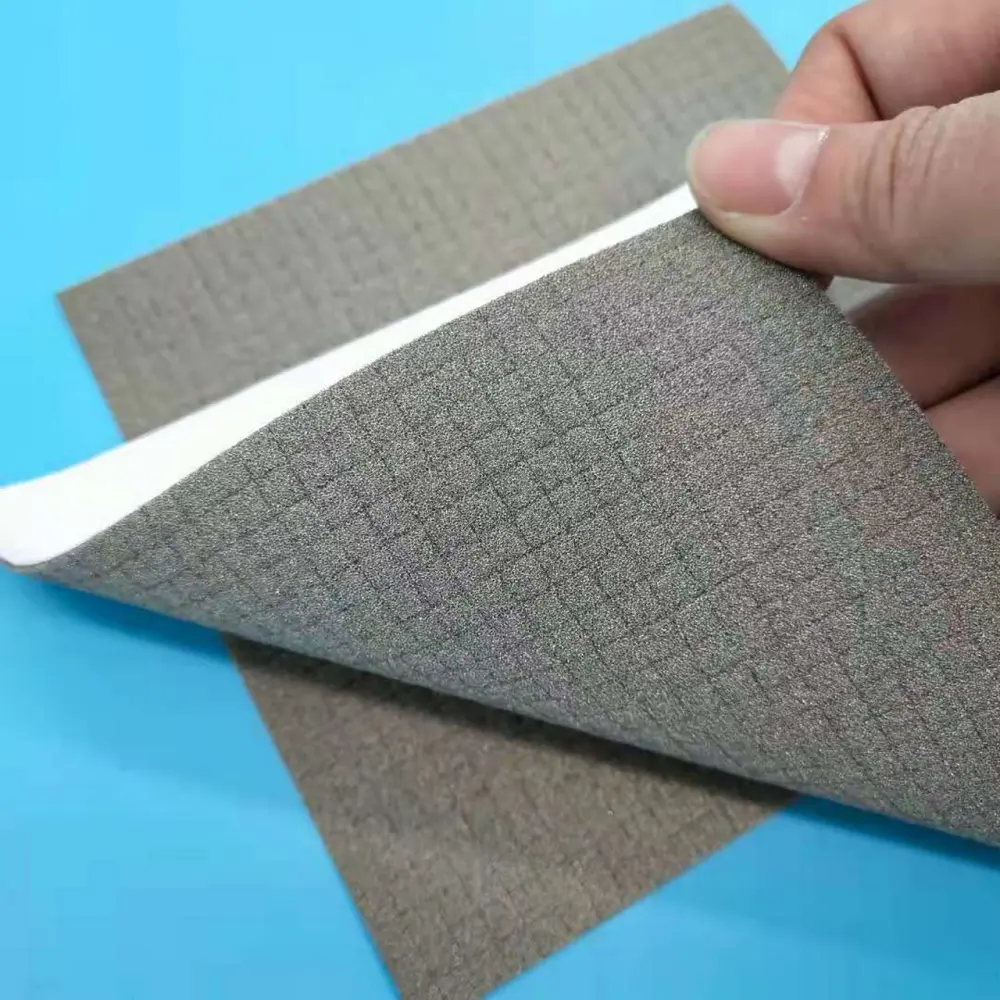
Copper-plated EMI shielding fabric uses polyester or nylon woven fabric as the substrate, with pure copper deposited onto fiber surfaces via electroplating. Copper has extremely high electrical conductivity, making it the preferred material for high shielding performance requirements. This is one of the most widely supplied products by any experienced EMI shielding fabric manufacturer.
Pros: Excellent conductivity, outstanding shielding effectiveness across low to medium frequency bands, relatively low raw material cost compared to silver plating, soft hand feel, compatible with lamination and die-cutting. Copper-plated fabric can easily reach 60dB to 90dB shielding effectiveness under ideal conditions.
Cons: Copper oxidizes easily in humid or salty environments. Without passivation treatment, copper surfaces will turn dark and surface resistance rises over time. Standard copper-plated material is not suitable for long-term outdoor or high-corrosion environments.
Typical OEM applications: Electronic device enclosures, internal EMI gaskets, shielding sleeves, consumer electronics, RFID blocking pouches, indoor electromagnetic shielding rooms.
1.2 Nickel-Plated EMI Shielding Fabric
Nickel-plated EMI shielding fabric is manufactured by plating nickel onto woven textile substrates. Nickel has moderate conductivity but far superior anti-corrosion performance compared to copper. For OEM projects exposed to moisture or salt mist, nickel-plated fabric is a stable mid-range option offered by most EMI shielding fabric manufacturers.
Pros: Great oxidation resistance, stable surface resistance in humid environments, good salt spray performance, long service life, consistent performance after repeated bending. Nickel-plated fabric maintains stable shielding properties even under tough ambient conditions.
Cons: Lower conductivity than copper. Shielding effectiveness is generally 40dB to 70dB. Nickel material cost is higher than copper. The fabric hand feel is slightly stiffer than copper-plated alternatives.
Typical OEM applications: Industrial control equipment, automotive internal shielding components, outdoor electronic housings, marine electronics, ESD combined shielding solutions.
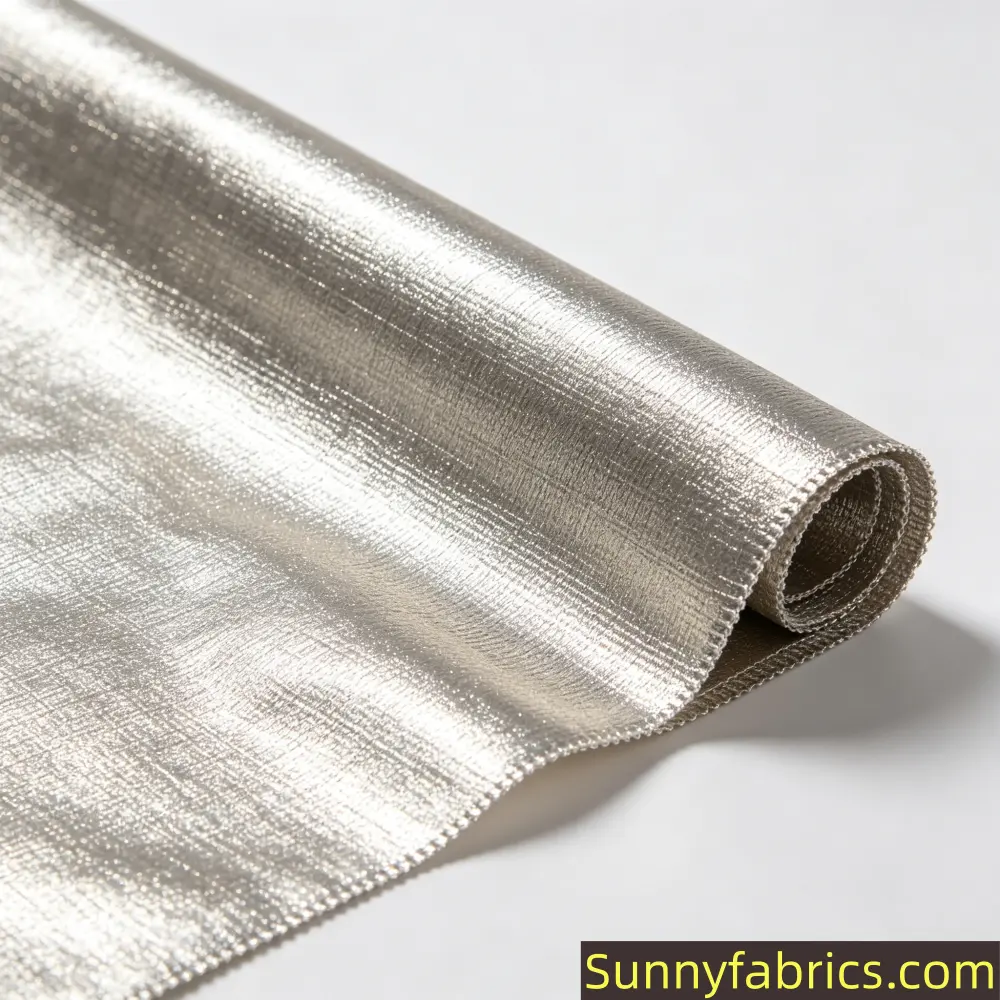
1.3 Silver-Plated EMI Shielding Fabric
Silver-plated EMI shielding fabric is produced by depositing silver onto textile fibers. Silver has the highest conductivity among these three plating materials. Top-tier EMI shielding fabric manufacturers provide silver-plated fabric for premium and high-reliability OEM applications.
Pros: Best conductivity and highest shielding effectiveness, excellent anti-oxidation property, stable surface resistance, washable options available, biocompatible grades for wearable medical devices. High-grade silver-plated fabric can achieve 80dB to 100dB shielding effectiveness.
Cons: Much higher material cost, limited for mass low-budget OEM orders. Silver may experience silver sulfide tarnishing in environments containing sulfur gas.
Typical OEM applications: Medical wearable devices, precision instruments, aerospace auxiliary shielding, high-end RFID blocking wallets, military-grade portable electronics, smart textile sensors.
2. Side-by-Side Comparison Table: Copper vs Nickel vs Silver Plated EMI Shielding Fabric
| Parameter | Copper-Plated EMI Fabric | Nickel-Plated EMI Fabric | Silver-Plated EMI Fabric |
|---|---|---|---|
| Shielding Effectiveness (SE) | 60 – 90 dB | 40 – 70 dB | 80 – 100 dB |
| Surface Resistance | Very Low | Moderate | Ultra Low |
| Corrosion / Salt Spray | Poor (needs passivation) | Excellent | Very Good |
| Flexibility & Softness | Excellent | Good | Excellent |
| Relative Cost | Low | Medium | High |
| Wash Resistance | Limited | Moderate | Good (special grade) |
| Best Working Environment | Indoor, dry | Humid, outdoor, industrial | High-end, medical, precision electronics |
3. Key Factors OEM Buyers Should Discuss With Your EMI Shielding Fabric Manufacturer
Many OEM buyers only compare price when sourcing conductive fabric. This is the biggest mistake. A trusted EMI shielding fabric manufacturer will ask about your operating environment, frequency band requirement, mechanical cycles, and test standards before recommending material grades. Below are the core points you need to confirm:
3.1 Shielding Effectiveness Matching Your Frequency Band
Shielding effectiveness values are tested at specific frequency ranges. A fabric with high SE at 1GHz may perform poorly at 30MHz. Always ask your EMI shielding fabric manufacturer to provide test reports covering your target frequency range. Do not rely on a single dB number without test conditions.
3.2 Salt Spray and Aging Test Requirements
If your product will be used outdoors, automotive, or coastal environments, salt spray test is mandatory. Copper-plated fabric without passivation will fail salt spray tests quickly. Nickel-plated material is the preferred choice for these scenarios. Discuss required salt spray hours with your EMI shielding fabric manufacturer before sample production.
3.3 Post Processing Compatibility
Most OEM projects require further processing: die-cutting, sewing, laminating with foam or adhesive. Plated fabrics can lose shielding performance if processed improperly. Talk to your EMI shielding fabric manufacturer about post-processing limitations. Some fabric grades are specially optimized for die-cutting to avoid plating peeling on cut edges.
3.4 OEM Customization Options
A professional EMI shielding fabric manufacturer can customize fabric width, substrate type, plating thickness, adhesive backing, composite layers. Small MOQ sample rolls are available for prototype validation. Always request sample kits to run internal validation before mass production.
4. Common Sourcing Pitfalls When Buying EMI Shielding Fabric From China Manufacturers
Working with an inexperienced or non-specialized supplier can cause serious OEM project delays. Here are typical issues many global buyers encounter:
- Suppliers quote high SE values but provide test reports measured on different frequency bands.
- Copper fabric without passivation treatment, leading to oxidation after several weeks.
- Plating layer peeling after bending or die-cutting, causing shielding performance drop.
- Suppliers mix recycled base fabric, reducing tensile strength and stability.
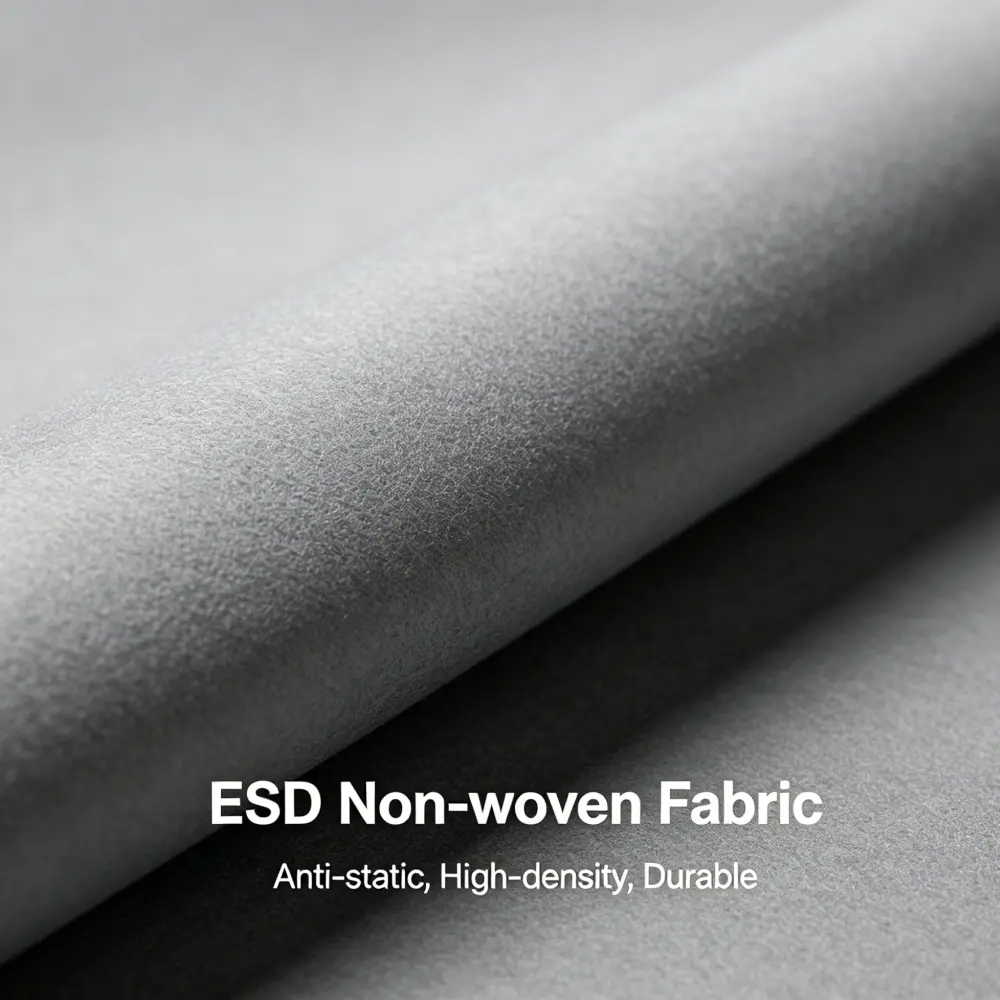
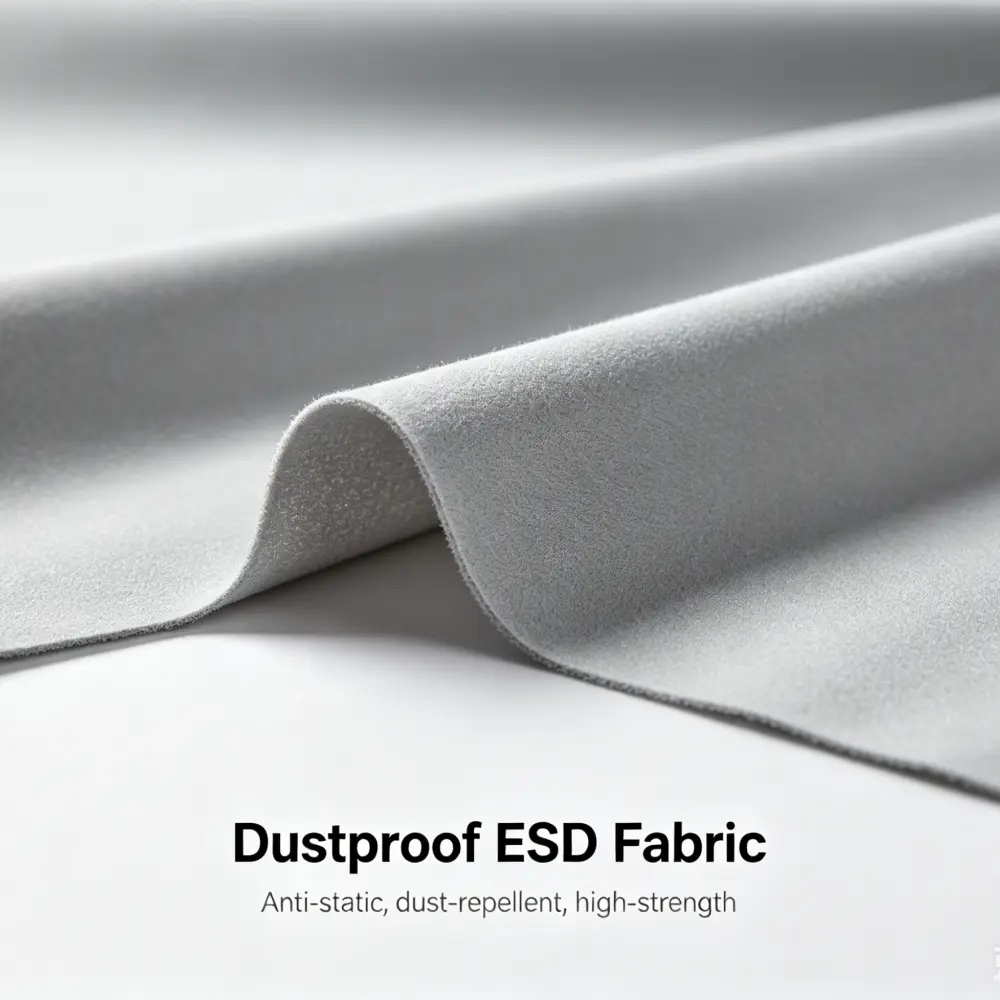
- Confusing ESD fabric with EMI shielding fabric. ESD material cannot replace EMI shielding material.
Work with a dedicated EMI shielding fabric manufacturer that can provide third-party lab test certificates, consistent batch quality, sample testing support and transparent OEM MOQ rules.
5. How to Select the Right EMI Shielding Fabric for Your OEM Project
Use this simple decision logic when talking to your EMI shielding fabric manufacturer:
If your project works indoors, dry environment, medium to high shielding requirement, tight budget → Copper-plated EMI shielding fabric.
If your product runs in humid, industrial or outdoor settings, stable performance is priority, budget is moderate → Nickel-plated EMI shielding fabric.
If your product is medical wearable, precision instrument, premium consumer goods, long-term stable conductivity required, budget allows high-grade material → Silver-plated EMI shielding fabric.
6. Final Thoughts
Copper-plated, nickel-plated and silver-plated EMI shielding fabrics each have unique strengths and limitations. There is no universal “best” material; the correct choice fully depends on your OEM product specifications, operating environment and budget. Partnering with a reliable EMI shielding fabric manufacturer is equally important as material selection. A qualified manufacturer can guide material selection, provide validated samples, customize fabric structures and support your OEM project from prototype to mass production.
Contact Sunny Fabrics today, your trusted China EMI shielding fabric manufacturer. Request our copper, nickel and silver plated EMI shielding fabric sample kit for your OEM validation. Our engineering team can review your technical specifications and recommend the most cost-effective conductive textile solution.
Recent Comments
Latest blogs



Share your thoughts
All fields marked with an asterisk() are required