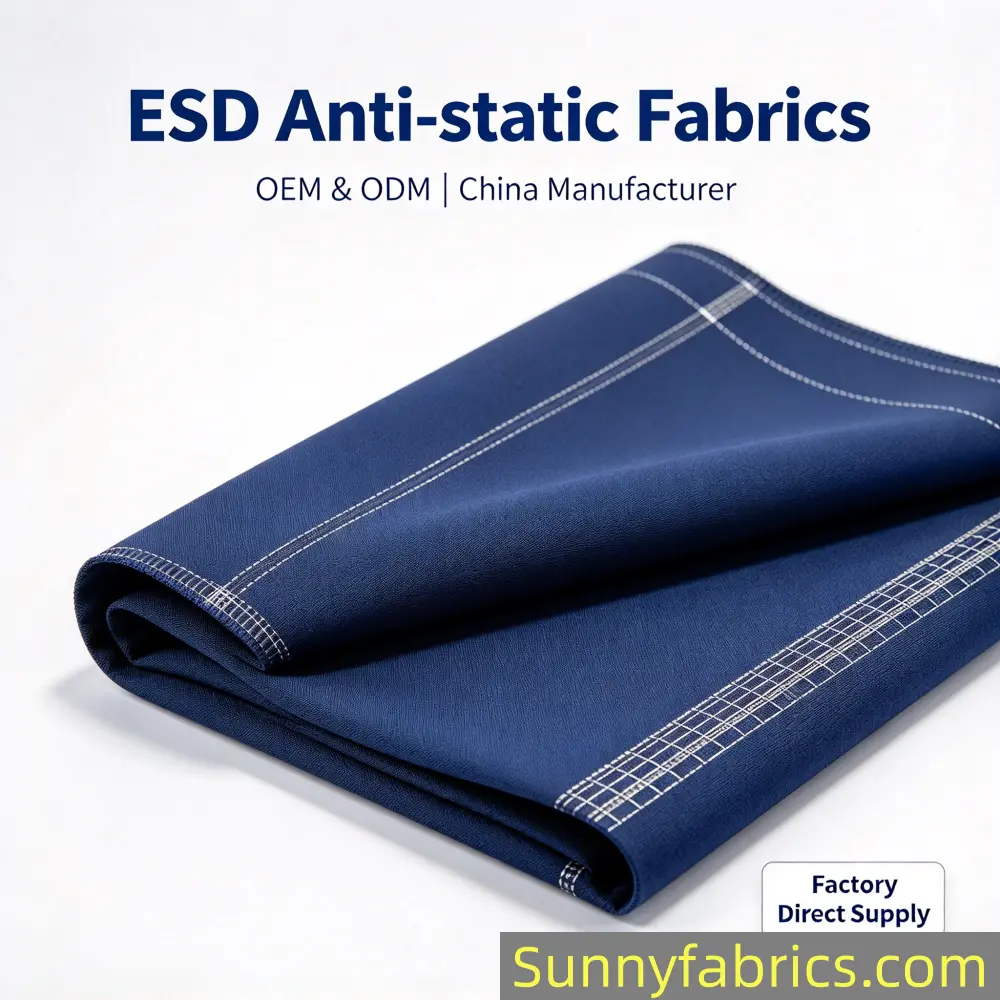
ESD Anti-Static Fabrics – OEM & ODM Manufacturing Solutions
In electronics manufacturing, cleanroom operations, and other static-sensitive environments, the performance of protective garments and packaging materials directly impacts product yield and workplace safety. For international wholesalers, brand owners, and procurement teams, sourcing ESD anti-static fabrics that meet both technical standards and commercial requirements requires a manufacturing partner with proven expertise. This page outlines the fabric solutions, testing capabilities, and customisation services available from our China-based production facility.
Understanding ESD Anti-Static Fabric Requirements
Electrostatic discharge (ESD) occurs when accumulated static electricity transfers rapidly between materials at different potentials. In environments where sensitive electronic components are handled, even a discharge of a few hundred volts can cause latent defects or immediate failure. The international standard IEC 61340-5-1 provides the framework for ESD control programs, covering organisations that manufacture, process, assemble, or handle electronic parts with withstand voltages as low as 100 V human body model (HBM) and 200 V charge device model (CDM)[citation:1][citation:8].
For ESD protective garments and fabrics, the critical performance indicators include:
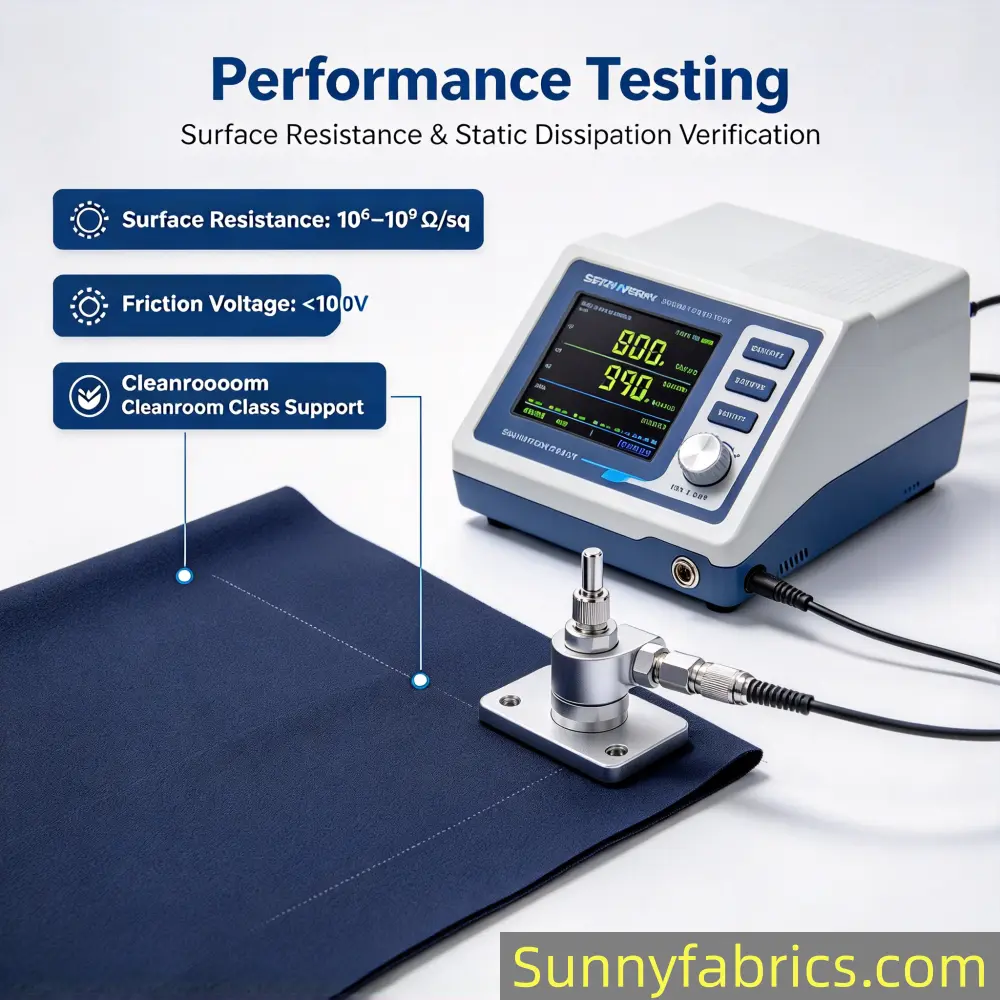
- Surface resistance: Typically measured to verify the material falls within the static dissipative or conductive range. Common industry classification places static dissipative materials between 1×10⁴ Ω and 1×10¹¹ Ω[citation:4].
- Charge decay time: The speed at which an applied voltage dissipates. High-quality ESD fabrics often achieve 90% decay from 5,000 V within less than half a second[citation:18].
- Friction voltage: Generated when fabric rubs against itself or other materials. For electronic-grade applications, this should remain below 100 V[citation:17].
- Durability after laundering: ESD performance must be retained through repeated industrial wash cycles, often tested to 20 or 50 washes[citation:4][citation:18].
These technical parameters form the basis of the specifications international buyers request when sourcing ESD anti-static fabrics for cleanroom garments, workwear, and protective textiles.
ESD Fabric Construction: From Conductive Yarns to Finished Rolls
The performance of anti-static fabric depends fundamentally on its construction. The conductive network within the textile determines how effectively and consistently static charges are dissipated.
Conductive Yarn Integration
Carbon-based conductive yarns are widely used in ESD textiles. One established approach involves blending carbon-suffused acrylic fibres with polyester and cotton in spun yarns. A typical blend might contain 63% polyester, 35% cotton, and 2% carbon fibre, woven in a plain or twill construction[citation:3]. The conductive fibres form a network of junctions along and between yarns, enabling charge dissipation without compromising the fabric’s hand, drape, or comfort.
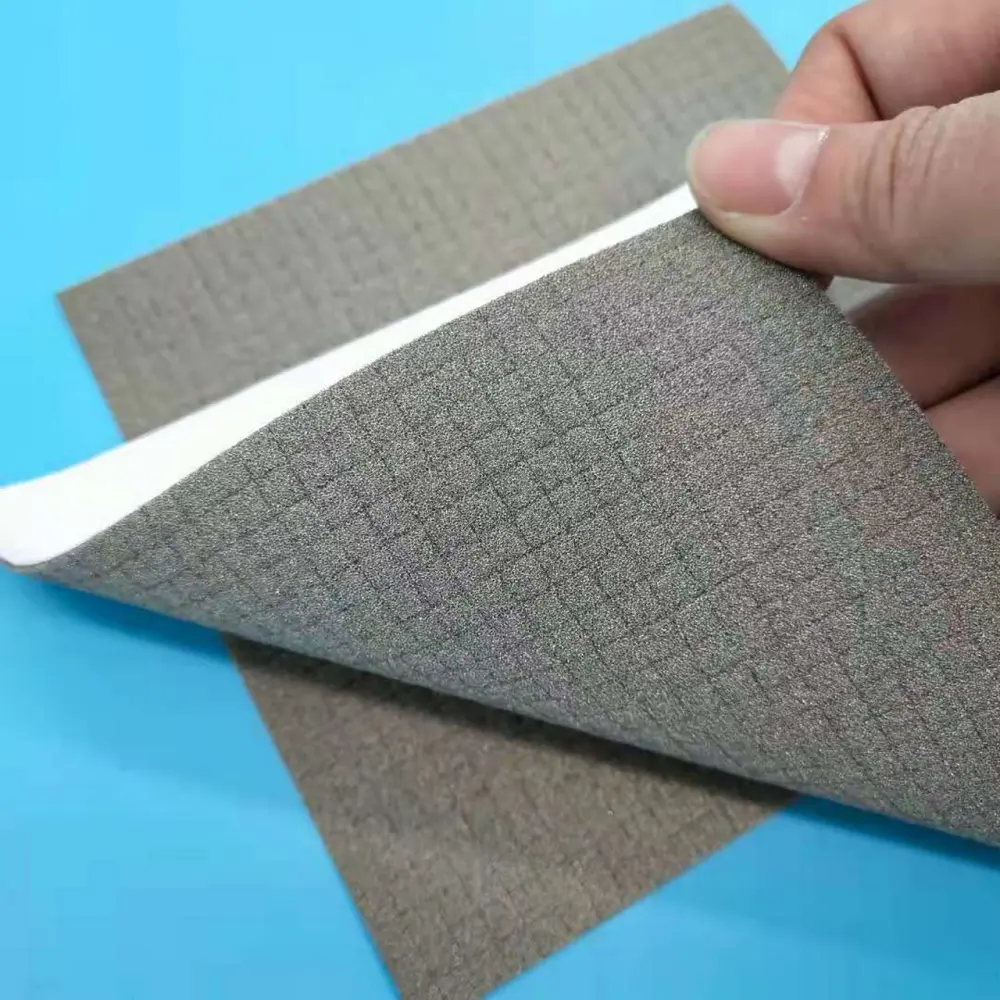
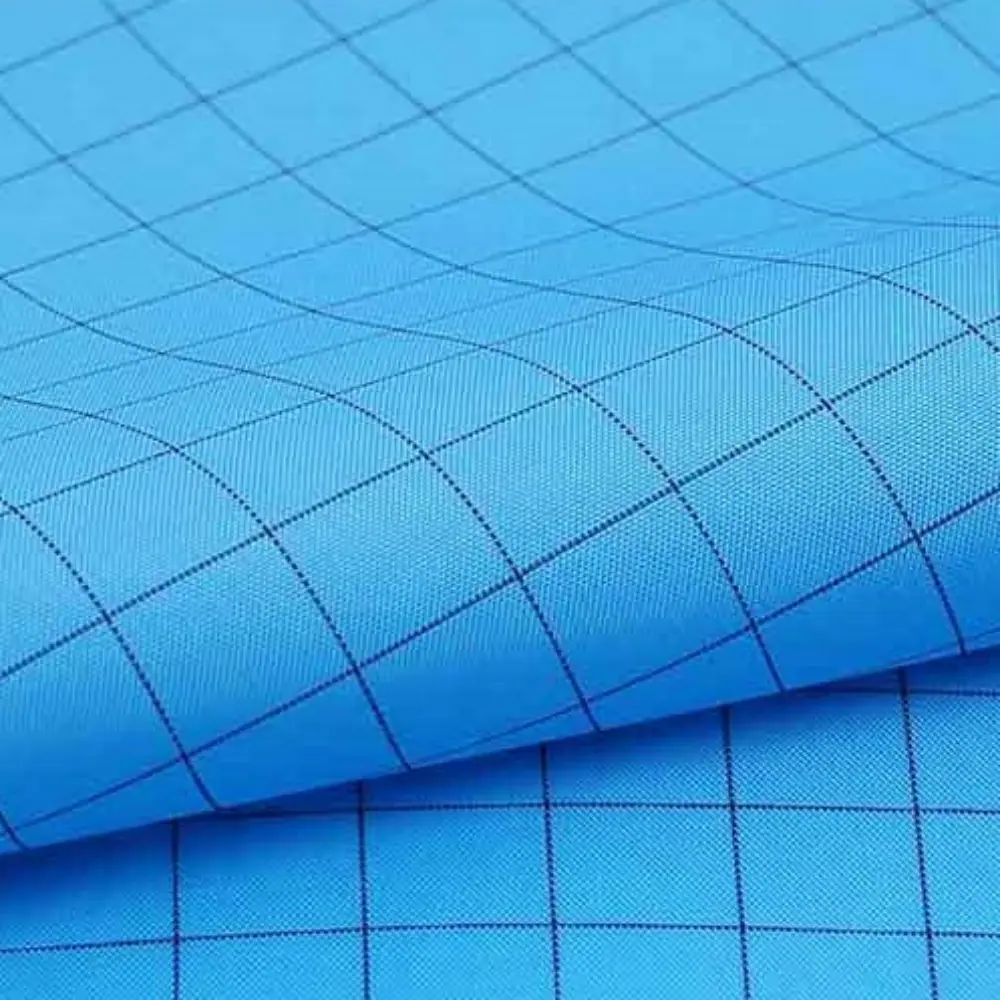
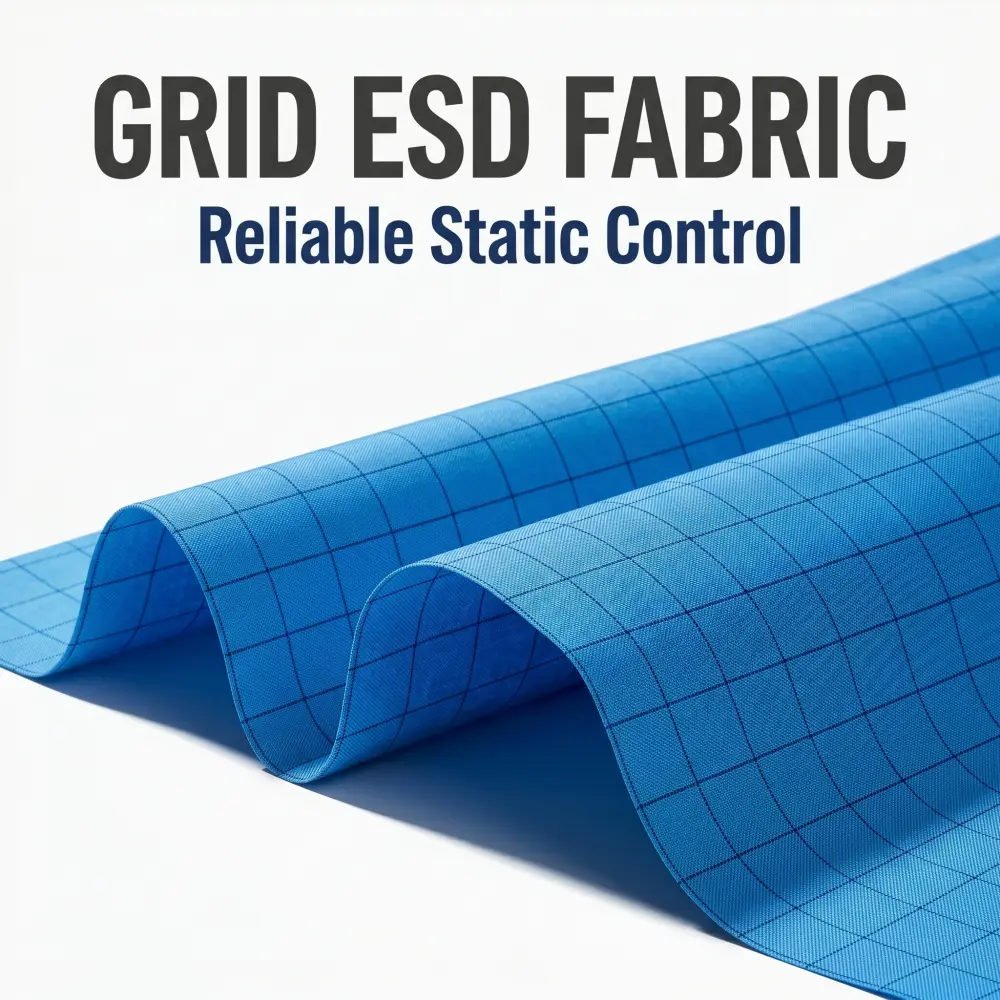
Another common method uses carbon-doped polyester multifilament yarns plied with standard polyester, woven in a grid pattern. The conductive grid spacing typically ranges from 1 mm to 20 mm in both warp and weft directions, depending on the target resistance level[citation:2].
Woven and Knit Structures
ESD anti-static fabrics are available in multiple constructions:
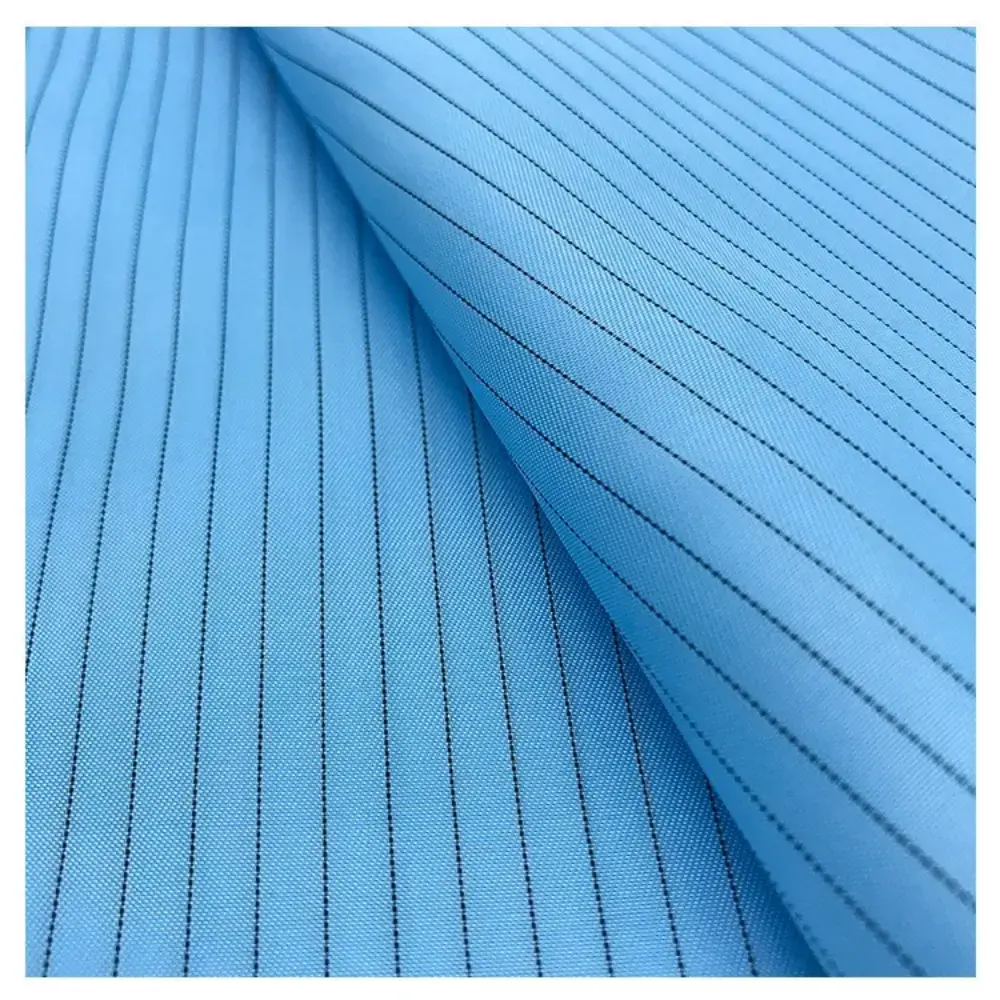
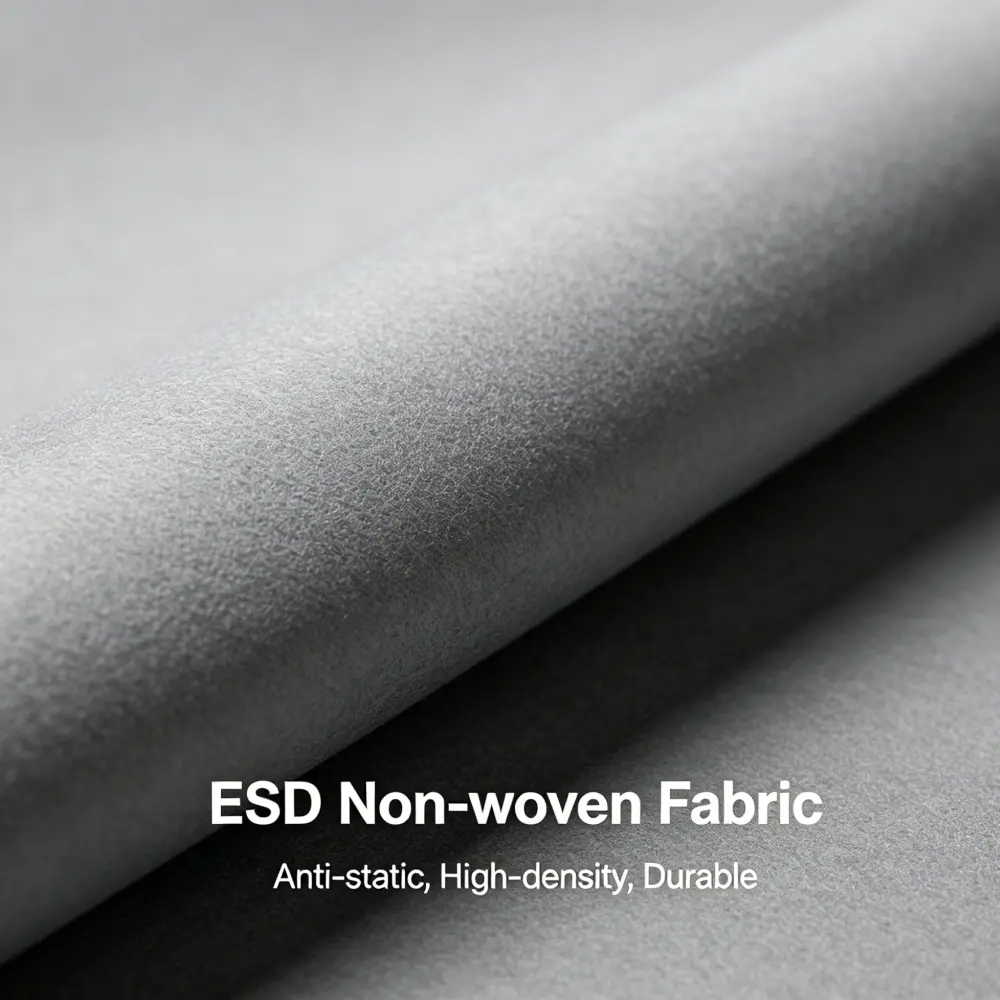
- Woven fabrics: Often 2/1 twill or plain weave, providing dimensional stability and consistent conductive pathways. Twill constructions can be engineered to create a raised conductive grid on one surface while keeping the other side smooth[citation:5].
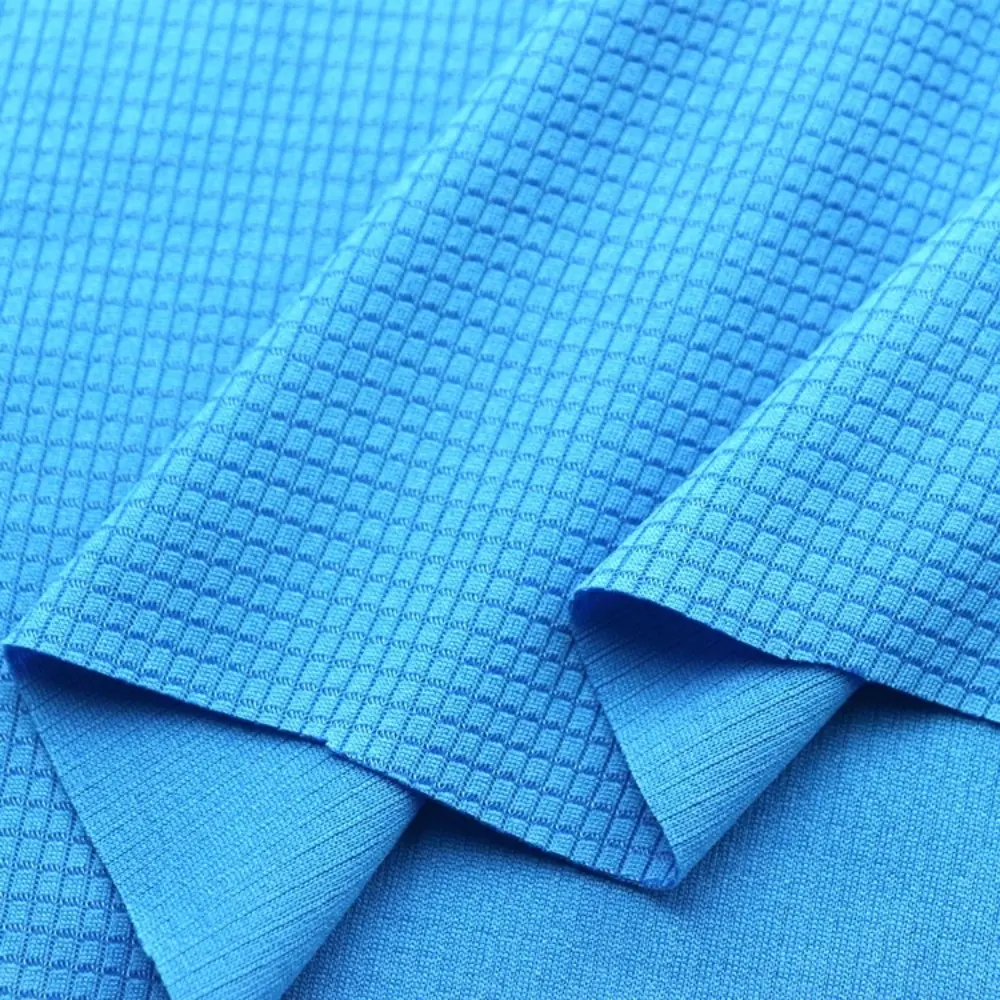
- Knitted fabrics: Offer greater elasticity and conformability, suitable for garments requiring close fit or movement flexibility.
- Coated and laminated options: Additional treatments can enhance barrier properties, chemical resistance, or moisture management while preserving ESD performance[citation:15].
The choice of construction depends on the end application: cleanroom coveralls demand particle barrier properties alongside ESD control, while industrial workwear may prioritise durability and laundering resistance.
Testing and Verification: Demonstrating ESD Performance
For B2B buyers, documented test results and consistent quality are non-negotiable. ESD anti-static fabrics must be verified against recognised standards before shipment, and ongoing production must maintain the specified electrical and physical properties.
Core Test Methods
| Test Parameter | Relevant Standard | Typical Requirement |
|---|---|---|
| Surface resistance | ASTM D257 / IEC 61340-5-1 | 10⁴–10¹¹ Ω (static dissipative) |
| Charge decay time | IEC 61340-5-1 / MIL-STD-3010C | <2 seconds (from 5,000 V to 10%) |
| Friction voltage | GB/T 12703.1 | ≤100 V (electronic grade) |
| Wash durability | AATCC 135 / JIS L0217-103 | Performance retained after 20–50 washes |
Testing must be conducted under controlled conditions, typically at 23 ± 1°C and 50 ± 5% relative humidity, to ensure comparable and reproducible results[citation:17]. The IEC 61340-5-1 standard specifically references compliance verification testing and requirements for groundable static control garment systems, reinforcing the need for fabric suppliers to understand garment-level performance, not just raw material properties[citation:1].
Quality Control in Production
Consistency across production batches requires more than a single sample test. Our manufacturing processes include:
- Incoming inspection of conductive yarns and raw materials
- In-line monitoring of weave density and conductive grid integrity
- Post-production electrical testing on finished rolls
- Retained samples from each batch for traceability
For OEM and ODM projects, we provide test reports and can arrange third-party verification when required by the buyer’s procurement protocol.
OEM & ODM Services for ESD Fabric Buyers
As a China-based manufacturer specialising in ESD anti-static fabrics, EMI shielding fabrics, and RFID blocking fabrics, we serve wholesale distributors, industrial brands, and private-label buyers who require customised textile solutions rather than generic stock items.
What OEM and ODM Mean in Practice
OEM (Original Equipment Manufacturer): You provide the specification—yarn composition, weave structure, weight, width, colour, surface resistance target, and packaging requirements—and we produce to your defined parameters. This is appropriate when your technical team has already developed the fabric specification or when you are replicating an existing product from another source.
ODM (Original Design Manufacturer): You provide the application requirements and performance targets. Our technical team develops the fabric construction, selects appropriate conductive yarns and base fibres, and produces samples for your evaluation. This model suits buyers who need a functional fabric but may not have in-house textile engineering resources.
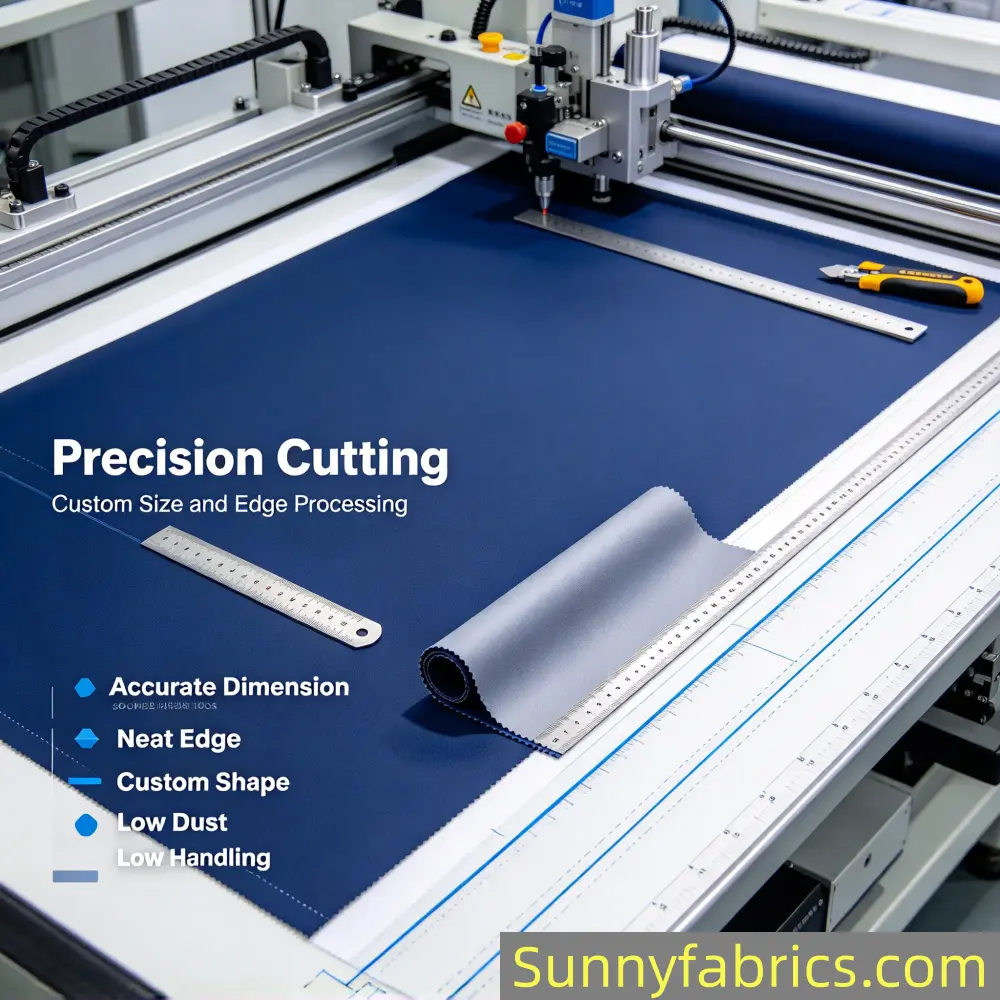
In both models, we handle the full production chain: yarn sourcing, weaving or knitting, dyeing and finishing, electrical testing, and roll packing for export.
Customisation Parameters
Typical OEM and ODM variables include:
- Base fibre blend: Polyester/cotton, polyester/carbon, nylon, or specialised blends for flame retardancy or chemical resistance
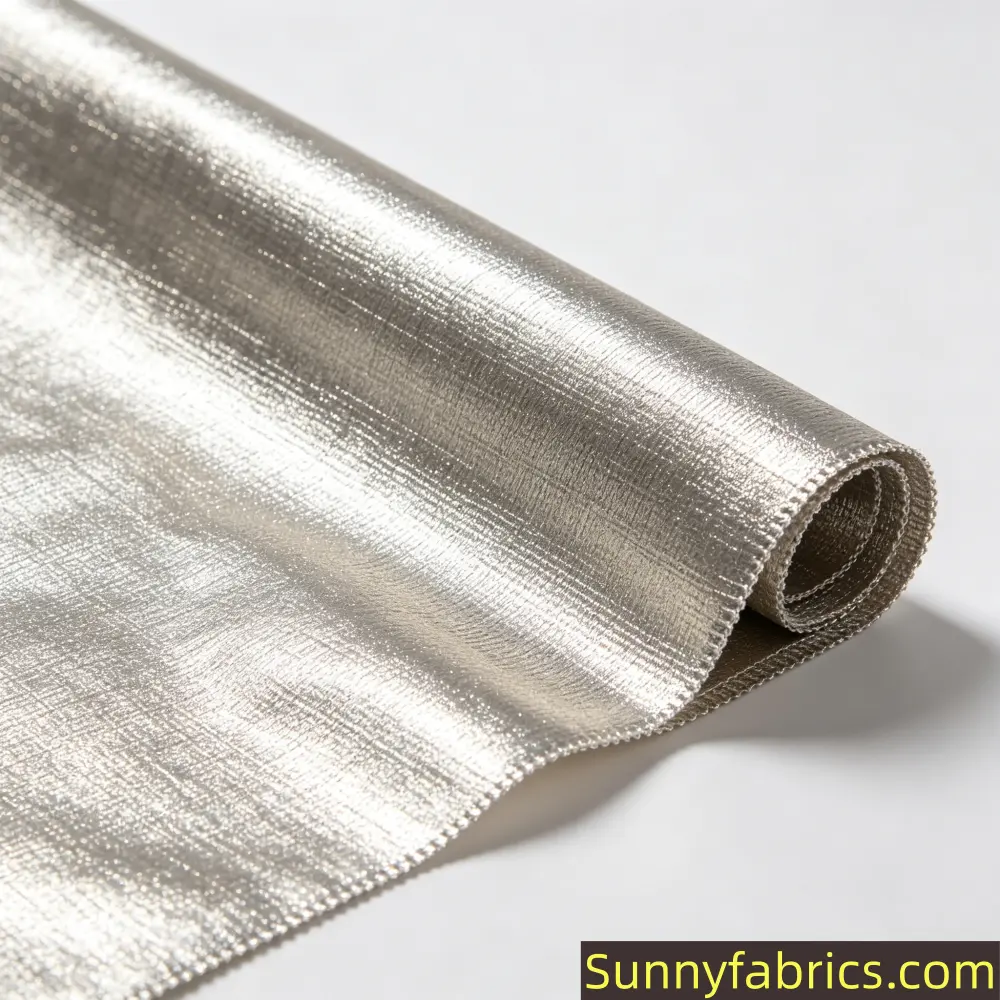
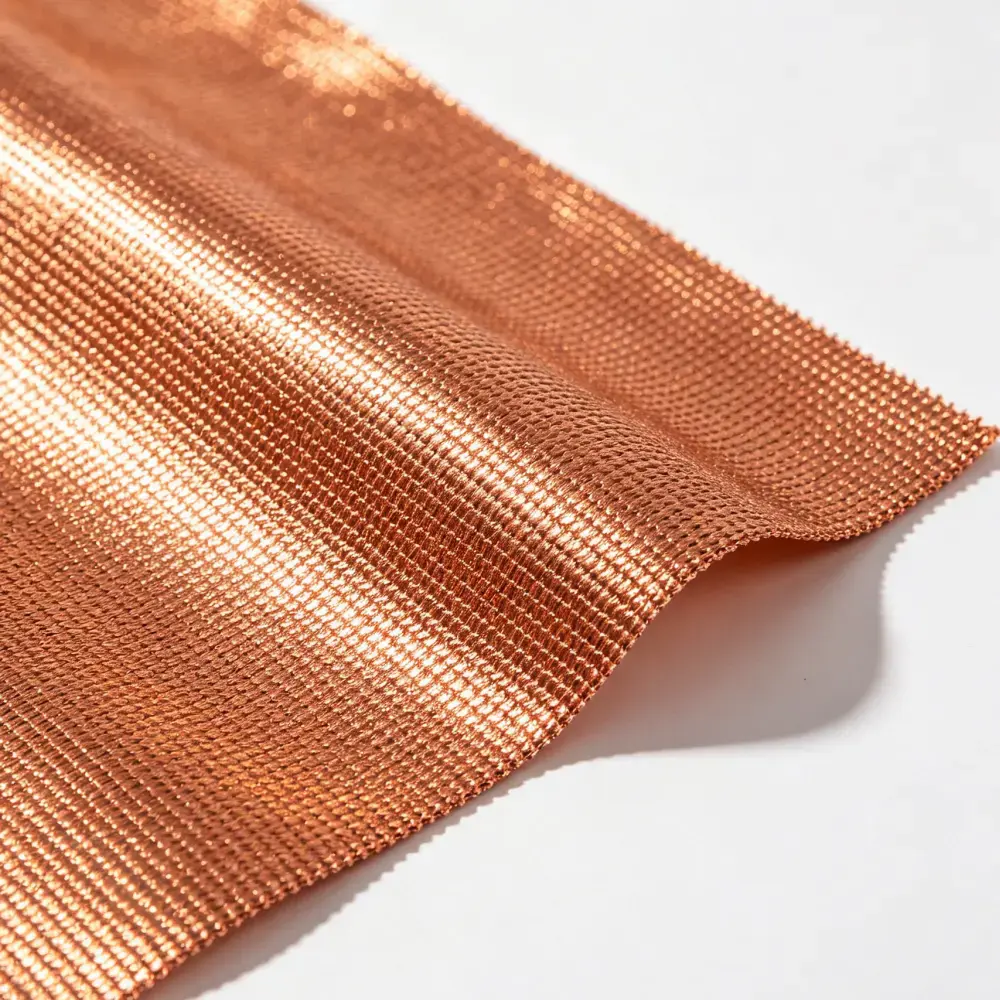
- Conductive element: Carbon-suffused acrylic, carbon-doped polyester, or metallised yarns (silver, copper, nickel) for higher conductivity applications[citation:11]
- Fabric weight: Ranging from lightweight garment fabrics to heavier industrial textiles
- Width: Standard 150 cm, with custom widths available
- Colour: Stock colours or custom dyeing to match brand palettes
- Surface resistance range: Tuned to meet specific application requirements, from static dissipative to conductive
- Finishing: Water repellency, soft hand, anti-bacterial, or other functional treatments
- Packaging: Roll length, core size, and labelling per buyer specification
Applications for ESD Anti-Static Fabrics
The end-use sectors driving demand for these fabrics span electronics manufacturing, cleanroom operations, and specialised industrial environments.
Electronics and Semiconductor Manufacturing
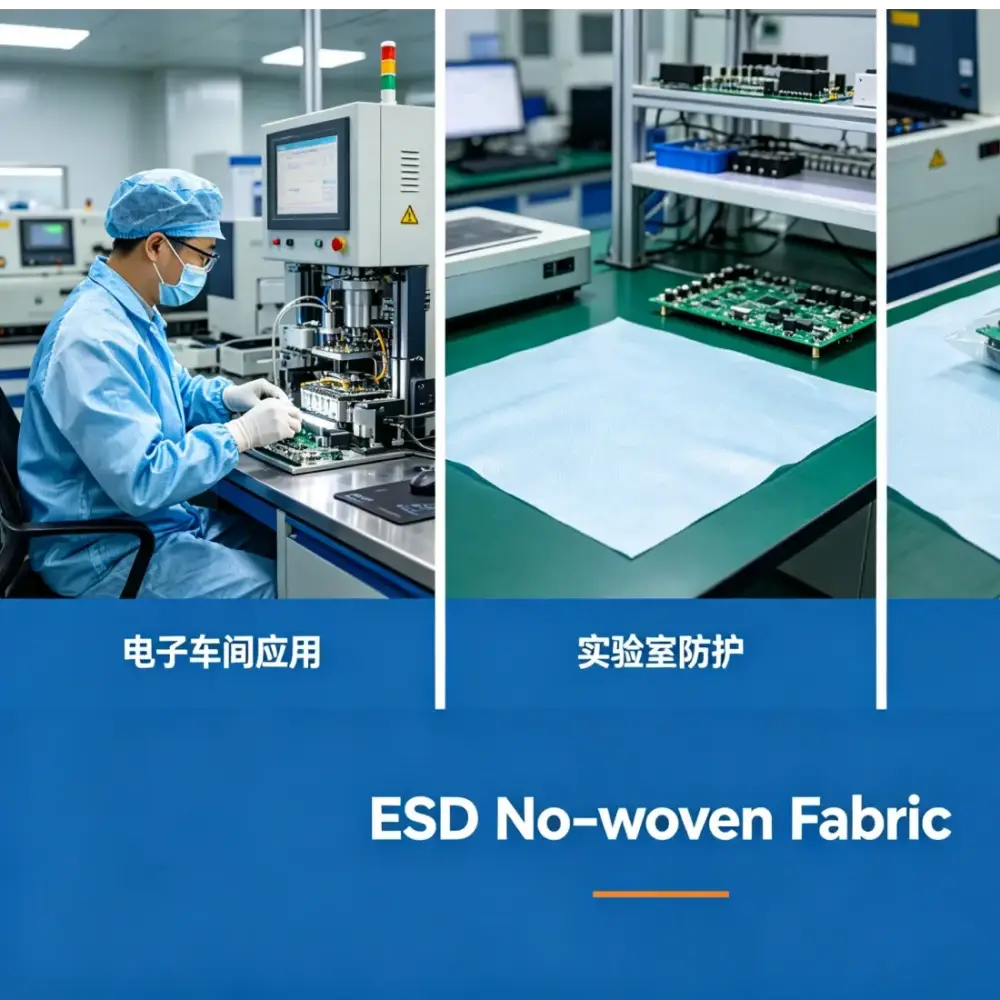
ESD protective garments are essential in SMT lines, PCB assembly, and semiconductor fabrication. Fabrics used in these environments must combine reliable charge dissipation with low particle shedding and compatibility with cleanroom classifications. For ultra-sensitive devices with withstand voltages below 100 V, Class A garment systems—including fabric, conductive cuffs, and grounding paths—are recommended[citation:10].
Cleanroom Garments and Accessories
Beyond coveralls, ESD fabrics are used in hoods, booties, gloves, and sleeve covers. The fabric must maintain ESD performance after the aggressive laundering cycles typical of cleanroom garment management. Some specifications require 90% charge decay within half a second even after 50 commercial launderings[citation:18].
Industrial Workwear and Protective Clothing
In petrochemical, pharmaceutical, and precision engineering environments, anti-static workwear prevents static discharge that could ignite flammable atmospheres or damage sensitive equipment. These fabrics often require additional properties such as flame retardancy, chemical resistance, or high visibility, depending on the hazard profile.
Why Source ESD Anti-Static Fabrics from a China Factory
China remains the world’s largest textile producer, with established supply chains for conductive yarns, technical weaving, and finishing. For international B2B buyers, working directly with a manufacturing partner offers several practical advantages:
- Vertical integration: Direct access to yarn sourcing, weaving, and finishing reduces lead times and improves cost control compared with trading companies
- Technical textile expertise: Specialised facilities have accumulated experience in conductive fabric construction that generic mills may lack
- OEM/ODM flexibility: Chinese manufacturers are accustomed to custom specification production, from small trial runs to container-volume orders
- Export experience: Established documentation, packaging, and logistics processes for international shipping
Our factory combines these advantages with focused expertise in ESD anti-static, EMI shielding, and RFID blocking fabric technologies. We understand not just how to weave a conductive grid, but why the grid spacing, yarn composition, and finishing processes matter for the end application.
Sourcing Considerations for International Buyers
When evaluating ESD fabric suppliers, procurement teams should look beyond unit price. The total cost of ownership includes:
- Specification compliance: Does the fabric consistently meet the stated surface resistance range across production batches?
- Wash durability: Will performance degrade after the number of launderings typical in your market?
- Documentation: Are test reports available per batch, and can they be traced to production lots?
- Communication: Can the supplier respond to technical questions and provide engineering support for custom developments?
- Lead time reliability: What is the realistic production timeline from order confirmation to shipment?
For ODM projects especially, early involvement of the manufacturing partner in specification development can prevent costly mismatches between fabric performance and garment construction requirements.
Frequently Asked Questions
What is the difference between anti-static and conductive fabric?
Anti-static (or static dissipative) fabrics typically have surface resistance in the range of 10⁴ to 10¹¹ Ω. They allow controlled dissipation of static charges without rapid discharge. Conductive fabrics have lower resistance, often below 10⁴ Ω, and are used where faster or more complete charge transfer is required, such as in EMI shielding applications. The appropriate choice depends on the sensitivity of the components being protected and the ESD control program requirements.
Can ESD fabrics be washed and reused?
Yes, but wash durability varies by construction and must be specified. Industrial laundering is standard for cleanroom garments, and reputable suppliers test to 20, 50, or more wash cycles depending on the buyer’s requirement. The key is verifying that the conductive network remains intact and surface resistance stays within specification after repeated washing.
Do you provide samples for evaluation?
Yes. For OEM and ODM inquiries, we provide fabric samples for buyer evaluation. Sample lead times and any applicable charges depend on whether the request is for a stock fabric swatch or a custom-developed specification.
What certifications can you provide?
Depending on the fabric and application, we can provide test reports referencing IEC 61340-5-1, ASTM D257, AATCC 135, and other relevant standards. For specific market requirements, we can discuss third-party testing arrangements.
Contact Us for OEM & ODM ESD Fabric Solutions
Whether you are developing a new cleanroom garment line, sourcing ESD workwear for an industrial distributor, or exploring conductive fabric applications for electronics packaging, our technical team can help translate your requirements into a production-ready specification.
We invite international buyers to contact us with their project details—target surface resistance, application environment, fabric weight and width preferences, and order volume expectations. From sample development to container shipment, we support the full sourcing cycle for ESD anti-static fabrics, EMI shielding fabrics, and RFID blocking fabrics.
Visit sunnyfabrics.com to submit an inquiry or request a sample kit.
Recent Comments
Latest blogs


Share your thoughts
All fields marked with an asterisk() are required