Sunny Fabrics | Conductive Foam, Tape & EMI Shielding Can Manufacturer
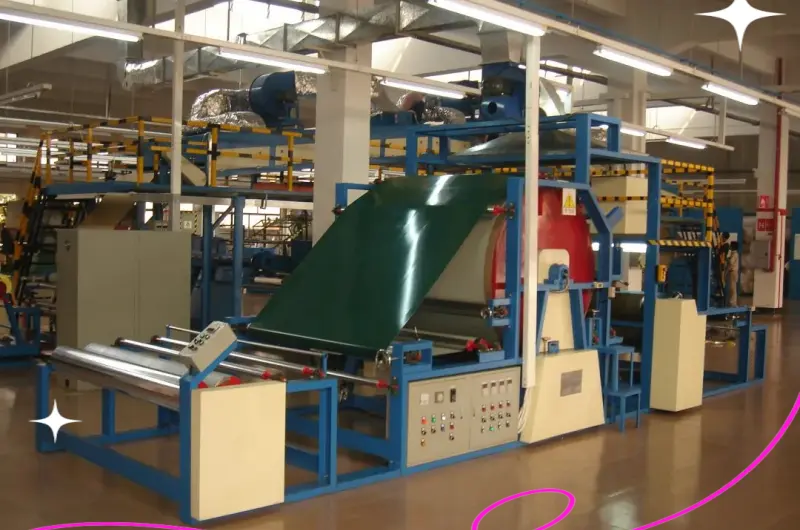
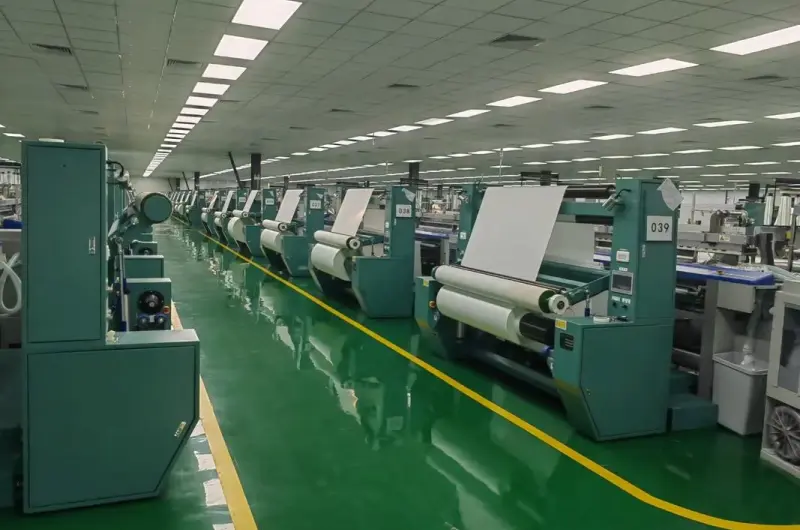
- We specialize in the design and manufacturing of conductive foam, conductive tape, EMI shielding cans and functional fabrics.
- We specialize in the design and manufacturing of conductive foam, conductive tape, EMI shielding cans and functional fabrics. Our R&D and production team supports customized programmes from material specification through to the delivered part.
1. Customized Product Solutions
- Material and formulation customization to meet different performance requirements
- Thickness, weight and dimension tailored to specific applications
- Functional treatment for ESD, EMI, grounding or RFID targets
- Custom width and density to optimize production efficiency
- Application-specific engineering support from sample to mass production
2. OEM and ODM Services
- Customized logo and label printing for brand identification
- Packaging design to upgrade product and brand value
- Specification and structure development for various applications
- Functional formula development for stable and reliable performance
- In-house tooling and converting support for custom part formats
Fabric Over Foam EMI Gaskets Manufacturer â Custom EMI Shielding Solutions
Fabric Over Foam EMI Gaskets are widely used in electronic equipment, communication systems, industrial control devices and other applications where electromagnetic interference (EMI) shielding and reliable electrical contact are required. Combining a flexible foam core with an electrically conductive fabric outer layer, these gaskets provide a practical solution for controlling electromagnetic interference around enclosure openings, panel joints, access doors and electronic interfaces. Their flexible construction allows them to accommodate different installation spaces while maintaining contact between conductive surfaces.
Sunny Fabrics focuses on functional conductive materials and EMI shielding solutions for industrial and electronic applications. Our Fabric Over Foam EMI Gaskets category is designed for B2B customers seeking conductive fabric-based foam components, customized gasket profiles and material solutions for electronic equipment. By combining conductive textile materials with suitable foam substrates, fabric over foam products can be developed for different compression requirements, installation structures and shielding applications. Material selection and product design can be adjusted according to customer drawings, technical specifications and application conditions.
For equipment manufacturers, selecting an appropriate EMI gasket involves more than choosing a conductive material. Engineers must consider the enclosure structure, available installation space, compression ratio, contact surface, operating environment and required shielding performance. A properly designed gasket helps establish a continuous conductive path between mating metal surfaces and reduces gaps that may allow electromagnetic energy to escape or enter an enclosure. Fabric over foam technology offers a lightweight and flexible approach to meeting these requirements in many electronic assembly designs.
As a functional material supplier, Sunny Fabrics supports customers looking for conductive textile materials and customized EMI shielding components. Our product development approach focuses on understanding the application first, then selecting an appropriate combination of conductive fabric, foam core, dimensions and processing methods. Whether a project requires standard gasket profiles, customized strips or precision-converted components, the final material configuration should be evaluated against the actual mechanical and electrical requirements of the application.
1. What Are Fabric Over Foam EMI Gaskets?
Fabric Over Foam EMI Gaskets are flexible electromagnetic interference shielding components manufactured by wrapping or covering a compressible foam core with conductive fabric. The foam provides the mechanical flexibility and compression characteristics, while the conductive textile layer creates an electrically conductive exterior. When installed between conductive surfaces, the gasket is compressed to establish electrical contact and help maintain shielding continuity across an enclosure joint.
The two main parts of this construction perform different functions. The foam core provides the physical body of the gasket. It allows the component to compress when an enclosure, panel or cover is assembled. The conductive fabric provides the electrical contact surface. Depending on the fabric construction and plating system, the outer layer can offer conductivity, flexibility and resistance to repeated handling. Together, these materials create a lightweight gasket structure suitable for many compact electronic assemblies.
Unlike solid metal gaskets, fabric over foam products can accommodate irregular gaps and provide a softer contact interface. They are particularly useful where designers need a balance between electrical conductivity and low mechanical loading. The compressible core allows the gasket to adapt to variations in assembly tolerances, while the conductive outer layer helps create an electrical connection between adjacent conductive components.
Fabric over foam products are commonly used around electronic enclosure doors, removable panels, display assemblies, communication equipment, control cabinets and other structures where shielding continuity is important. Their actual performance depends on conductive fabric properties, foam characteristics, gasket geometry, installation pressure and the electrical quality of the mating surfaces.
2. Product Structure and Working Principle
The performance of a fabric over foam gasket depends on the interaction between its conductive outer layer and compressible inner core. Each material must be selected according to the required electrical, mechanical and environmental conditions. A suitable combination can provide a flexible contact interface without requiring the use of a solid metal component.
2.1 Conductive Fabric Outer Layer
The conductive fabric is the external shielding and contact material. It is generally made from a textile substrate with a conductive metallic coating or plating. Common options include nickel-copper plated polyester fabric and silver-plated textile materials. The selection depends on electrical conductivity, corrosion requirements, mechanical flexibility, surface durability and cost considerations.
The conductive fabric must maintain sufficient electrical continuity throughout the gasket structure. During installation, the exposed conductive surface contacts the mating metal components. The quality of this contact can influence the electrical continuity of the shielding path. Fabric construction, metallic coating uniformity, surface condition and the way the fabric is wrapped around the foam core should therefore be considered during product design.
For applications involving repeated opening and closing, the durability of the fabric surface is especially important. Excessive friction, sharp enclosure edges or unsuitable compression can damage the conductive layer over time. Selecting an appropriate fabric construction and controlling the installation conditions can help improve product reliability.
2.2 Compressible Foam Core
The foam core provides the compressibility required for gasket installation. It allows the component to adapt to the gap between two surfaces and maintain contact when the enclosure is assembled. Different foam materials offer different compression forces, recovery characteristics, densities and environmental resistance.
Polyurethane foam is commonly considered for lightweight and flexible gasket structures. Depending on its formulation and cell structure, it can provide a suitable balance of softness, compression and recovery. Other sponge materials may be considered when the application requires different temperature, chemical or environmental characteristics. The selected foam should be compatible with the conductive fabric and the intended manufacturing process.
Foam density and hardness are important design factors, but they should not be considered independently. Two foam materials with similar density may exhibit different compression behavior. Engineers should evaluate compression force, recovery after compression and long-term compression set under representative conditions. These properties help determine whether a gasket can maintain the required contact pressure throughout its service life.
2.3 Fabric Wrapping and Bonding Structure
The conductive textile is formed around the foam core to create the finished gasket profile. Depending on the product design, the wrapping structure may use different folding, joining or bonding arrangements. The fabric must cover the required contact areas while maintaining a suitable external shape. Manufacturing consistency is important because variations in fabric tension, bonding and foam positioning can influence the final dimensions and performance.
Bonding methods should be selected according to the fabric, foam substrate and expected service environment. The bonding structure must provide sufficient attachment without creating unnecessary stiffness or interfering with the intended compression behavior. For customized products, the wrapping design should be reviewed together with the cross-sectional drawing and installation requirements.
3. Types of Fabric Over Foam EMI Gaskets
Fabric over foam gaskets can be manufactured in different profiles to accommodate different enclosure designs and installation spaces. The correct shape depends on the available gap, contact surface, compression direction and mounting arrangement. Standard profile concepts can provide a starting point, while customized shapes may be developed for specific equipment structures.
3.1 Rectangular Fabric Over Foam Gaskets
Rectangular profiles are among the most straightforward gasket designs. Their flat or rectangular cross-section makes them suitable for applications involving relatively uniform gaps and flat mating surfaces. They can be supplied in different widths, heights and lengths according to the installation requirements.
Rectangular fabric over foam gaskets are often considered for enclosure edges, panel joints, electronic housing assemblies and equipment covers. Their simple geometry can make them easier to integrate into designs with straight mounting surfaces. Engineers should select the cross-sectional dimensions according to the available space and the required compression range.
3.2 D-Shaped Fabric Over Foam Gaskets
D-shaped profiles feature a rounded contact surface combined with a flatter base structure. This geometry can provide a controlled contact area when the gasket is compressed against a mating surface. The rounded section may help accommodate certain installation tolerances and enclosure configurations.
D-shaped fabric over foam products can be considered for electronic enclosure doors, equipment panels and other assemblies where the available mounting structure supports this profile. The actual suitability depends on the dimensions, foam characteristics and compression requirements of the application.
3.3 C-Fold Fabric Over Foam Gaskets
C-fold profiles use a folded conductive fabric structure around the foam core. This construction can provide a particular contact geometry and fabric arrangement depending on the design. C-fold products are used in applications where the required contact surface and available installation space are compatible with the profile.
The folding structure should be designed carefully to avoid unnecessary fabric stress or exposed areas that could affect durability. The relationship between the folded fabric, foam core and final compressed height should be evaluated during sample development.
3.4 P-Shaped Fabric Over Foam Gaskets
P-shaped profiles combine a rounded or enlarged contact section with a narrower mounting or supporting section. This shape may be suitable for specialized enclosure designs that require a particular contact arrangement. The profile can be customized according to the available mounting space and the intended compression direction.
When selecting a P-shaped gasket, engineers should consider the stability of the profile during installation, the contact area after compression and the mechanical support provided by the mounting structure. Custom dimensions may be necessary to achieve the desired fit.
3.5 Custom Fabric Over Foam Profiles
Some electronic equipment designs cannot accommodate standard gasket profiles. In these cases, a customized cross-section may be developed to match the customer's enclosure geometry. Custom profiles can be evaluated according to the required width, height, contact surface, foam hardness and conductive fabric construction.
Customers can provide technical drawings, CAD files, sample components or dimensional specifications for evaluation. The design review should include the available installation space, expected compression, enclosure material and required electrical contact points. This approach helps reduce the risk of selecting a gasket that does not fit the actual assembly.
4. Conductive Fabric Materials for EMI Gaskets
Conductive fabric selection is one of the most important factors in fabric over foam gasket design. Different conductive textiles offer different electrical and mechanical properties. The choice should be based on the intended frequency range, contact requirements, operating environment, surface durability and total product cost.
4.1 Nickel Copper Plated Polyester Fabric
Nickel-copper plated polyester fabric is a commonly used material option for EMI shielding applications. The polyester textile provides a flexible substrate, while the metallic plating gives the material its conductive properties. The combination can offer a practical balance between flexibility, conductivity and material cost for a wide range of electronic applications.
Nickel-copper conductive fabric may be considered for communication equipment, electronic enclosures, industrial control systems and other applications requiring conductive textile components. Its suitability depends on the actual plating construction, fabric weight, surface resistance, mechanical durability and environmental conditions.
4.2 Silver-Plated Conductive Fabric
Silver-plated textile materials are another option for applications where high electrical conductivity is an important consideration. Silver is known for its electrical conductivity, making silver-based fabrics suitable for selected conductive textile applications. However, material selection should also consider cost, surface durability, environmental exposure and the mechanical behavior of the textile.
Silver-plated fabrics may be evaluated for specialized shielding components and electronic assemblies with specific electrical requirements. The final decision should be based on technical testing rather than the metal type alone.
4.3 Other Conductive Textile Options
Depending on the product range and application requirements, other conductive textile constructions may also be considered. These can include different metal-plated polyester fabrics, conductive mesh structures and specially constructed textile materials. Different weave patterns and fabric weights can influence flexibility, surface characteristics and mechanical performance.
When choosing a conductive textile, buyers should request information about the base fabric, metal coating, surface resistance, thickness, weight and relevant durability data. These details help engineers compare materials and determine whether a particular fabric is appropriate for the intended gasket structure.
4.4 Conductive Fabric Selection Considerations
Surface resistance is an important material characteristic because it provides information about the electrical resistance of the fabric surface under a specified test method. However, it should not be confused with the complete shielding effectiveness of a finished gasket. Shielding performance also depends on the gasket geometry, contact interface, installation pressure and surrounding enclosure design.
Corrosion resistance and surface durability should also be considered when a gasket will operate in humid or chemically demanding environments. Repeated compression and friction can gradually affect the conductive surface. Therefore, material qualification should reflect the actual operating conditions rather than relying only on initial electrical measurements.
5. Foam Core Materials and Compression Performance
The foam core determines much of the mechanical behavior of a fabric over foam gasket. A suitable core must compress within the available installation space, recover sufficiently after unloading and maintain the required contact pressure during operation. The material should also remain compatible with the conductive fabric and bonding system.
5.1 Polyurethane Foam
Polyurethane foam is commonly used in flexible gasket constructions because of its lightweight structure and available range of mechanical properties. Different grades can provide different densities, softness levels and compression behavior. The appropriate grade should be selected according to the target installation height and required compression force.
For fabric over foam applications, the foam must be compatible with the selected textile wrapping process. It should provide a stable core without creating excessive resistance during assembly. The foam structure should also be evaluated for recovery and dimensional stability under repeated compression.
5.2 Open-Cell Foam Structures
Open-cell foam contains interconnected cells that can influence its softness, air movement and compression characteristics. Such materials may be considered for selected flexible gasket designs where the required mechanical behavior can be achieved. However, the performance of an open-cell foam depends on its specific formulation, density and manufacturing quality.
Engineers should evaluate whether the cell structure is appropriate for the operating environment. Exposure to moisture, dust or other contaminants may influence the long-term suitability of certain foam grades. The selected material should be assessed against the actual environmental requirements of the equipment.
5.3 Alternative Sponge Materials
Other sponge materials may be considered when the application requires different environmental or mechanical properties. Neoprene sponge and EPDM sponge are examples of materials that can be evaluated for selected sealing and cushioning applications. Their suitability for fabric over foam EMI gaskets depends on the required flexibility, temperature range, compression characteristics and compatibility with the conductive fabric.
Not every foam material is automatically suitable for fabric wrapping. Material bonding, surface condition, dimensional stability and compression behavior should be reviewed before selecting an alternative substrate. Sample evaluation is recommended when the material combination differs from an established product design.
5.4 Compression Force and Recovery
Compression force describes the load required to compress a gasket to a specified displacement or percentage of its original height. This parameter is important because electronic enclosures often have limited mechanical strength and restricted closure forces. A gasket that is too stiff may place excessive pressure on the enclosure, while a gasket that is too soft may not maintain sufficient contact.
Recovery describes the ability of the foam core to return toward its original dimensions after compression is released. Good recovery can help maintain contact during repeated opening and closing cycles. Compression set, on the other hand, describes the permanent deformation remaining after a material has been compressed under defined conditions for a specified period.
These mechanical characteristics should be evaluated together. A material with low initial compression force may not necessarily provide the best long-term performance. Engineers should consider the intended compression percentage, expected service cycles, temperature and aging conditions when selecting the foam core.
6. Key Features and Advantages of Fabric Over Foam EMI Gaskets
6.1 Flexible EMI Shielding Contact
The conductive fabric exterior provides an electrical contact surface that can help maintain shielding continuity between conductive enclosure components. When properly compressed against suitable mating surfaces, the gasket can reduce electrical discontinuities along enclosure joints and openings.
The actual shielding performance depends on the complete assembly. Gasket material, enclosure geometry, contact pressure, surface finish and installation continuity all influence the final result. For this reason, the finished component should be evaluated in the intended application whenever shielding requirements are critical.
6.2 Low Compression Force Design Options
Fabric over foam structures can be designed with flexible foam cores to reduce the mechanical force required during installation. This is useful in electronic equipment where thin panels, lightweight covers or delicate enclosure structures may not tolerate excessive pressure.
Choosing the appropriate foam density, thickness and profile can help engineers achieve the desired compression behavior. The goal is to maintain reliable contact without placing unnecessary mechanical stress on the enclosure.
6.3 Lightweight Construction
Compared with certain solid metal shielding components, fabric over foam gaskets offer a lightweight construction. The foam core provides volume without requiring a solid metallic body, while the conductive fabric supplies the external electrical contact layer.
Weight reduction can be useful in portable electronics, communication devices and compact equipment assemblies. However, lightweight construction should not be treated as the only selection criterion. Electrical performance, compression behavior and durability must also meet the application requirements.
6.4 Adaptability to Different Enclosure Designs
Fabric over foam products can be manufactured in different profiles and dimensions. This flexibility allows designers to consider rectangular, D-shaped, C-fold and other custom configurations. The final profile can be developed according to the available gap, enclosure structure and required contact area.
Customized dimensions can also help reduce unnecessary material usage and improve the fit within an electronic assembly. Proper design review is important to ensure that the gasket does not interfere with fasteners, connectors, cables or other components.
6.5 Integration with Adhesive Mounting Systems
Selected fabric over foam products can be supplied with adhesive backing to simplify installation. The adhesive layer helps position the gasket on the designated mounting surface before the enclosure is assembled. This can improve handling and reduce the possibility of displacement during assembly.
Adhesive selection should consider the substrate material, operating temperature, surface cleanliness, expected service life and environmental exposure. Standard pressure-sensitive adhesive is not necessarily electrically conductive. If electrical conductivity through the adhesive layer is required, a suitable conductive adhesive system must be specified and tested.
6.6 Customizable Material Combinations
One of the main advantages of fabric over foam technology is the ability to combine different conductive fabrics and foam cores. This allows the gasket design to be adjusted according to the balance between electrical conductivity, compression force, durability and cost.
For example, an application may prioritize low compression force, while another may require improved surface durability or a specific temperature capability. A suitable material combination should be selected after reviewing the project requirements and validating the proposed construction.
7. Technical Specifications and Product Parameters
Technical specifications are essential for comparing gasket products and determining whether a particular design is suitable for an electronic assembly. B2B buyers and engineering teams should review both electrical and mechanical characteristics. The values should be based on the actual material grade and finished product rather than general assumptions about the product category.
7.1 Main Technical Parameters
| Parameter | Description |
|---|---|
| Product Structure | Conductive fabric wrapped around a compressible foam core |
| Conductive Fabric | Nickel-copper plated polyester, silver-plated fabric or other specified conductive textile |
| Foam Core | Polyurethane foam or other compatible sponge materials |
| Profile Shape | Rectangular, D-shaped, C-fold, P-shaped and customized profiles |
| Thickness | Selected according to the installation gap and compression requirements |
| Width | Customized according to the product design |
| Length | Supplied in specified lengths or converted into custom components |
| Surface Resistance | Determined by the conductive fabric and its specified test method |
| Shielding Effectiveness | Depends on material construction, gasket design, installation and test conditions |
| Compression Force | Determined by foam grade, profile dimensions and compression percentage |
| Compression Set | Evaluated according to the selected foam material and test conditions |
| Adhesive Backing | Available according to product construction and adhesive requirements |
| Operating Temperature | Determined by the complete material combination and application conditions |
7.2 Electrical Conductivity and Surface Resistance
Electrical conductivity is a fundamental requirement for conductive fabric over foam gaskets. The conductive fabric must provide a suitable electrical path between the contact surfaces. Surface resistance measurements can be used to evaluate the electrical characteristics of the fabric under defined conditions.
When reviewing surface resistance data, buyers should check the measurement method, electrode arrangement, environmental conditions and test sample preparation. Different measurement methods may produce different results. A meaningful comparison requires consistent testing conditions and clearly documented material specifications.
It is also important to distinguish fabric surface resistance from the contact resistance of the complete gasket assembly. Contact resistance depends on the interface between the gasket and the mating surface, including pressure, surface finish, contamination and material compatibility. A conductive fabric with favorable surface resistance does not automatically guarantee low contact resistance in every installation.
7.3 EMI Shielding Effectiveness
Shielding effectiveness is commonly expressed in decibels and describes how effectively a material or assembly reduces electromagnetic energy under specified test conditions. However, the shielding performance of a fabric over foam gasket cannot be represented by a universal value that applies to every product configuration.
The measured result can vary according to the frequency range, test fixture, gasket dimensions, installation pressure, enclosure design and contact conditions. A test performed on a flat conductive textile sample may not represent the shielding performance of a finished gasket installed in an electronic enclosure.
For projects with specific shielding targets, customers should define the required frequency range and test method before product development. Where necessary, testing should be performed on representative gasket samples or finished assemblies. Test reports should clearly identify the tested material, sample dimensions, frequency range and measurement conditions.
7.4 Mechanical and Dimensional Specifications
Mechanical specifications should include the original gasket dimensions, compression height, compression force and recovery characteristics. These parameters help determine whether the product can be installed correctly and maintain suitable contact over time.
Dimensional tolerances should be agreed upon according to the manufacturing process and the customer's assembly requirements. For long gasket strips, width and thickness consistency may be particularly important. For customized profiles, the cross-sectional geometry should be clearly defined in the technical drawing.
When requesting a quotation, buyers should provide the required dimensions, tolerance range, estimated annual quantity and application information. These details help the supplier evaluate material consumption, processing requirements and suitable production methods.
8. Applications of Fabric Over Foam EMI Gaskets
Fabric over foam EMI gaskets are used in different industries where electronic equipment requires electromagnetic interference control and flexible electrical contact. The product design should be matched to the equipment structure and environmental conditions. The following applications represent common areas where conductive fabric over foam constructions may be evaluated.
8.1 Telecommunications Equipment
Telecommunications equipment contains sensitive electronic circuits and high-frequency components that require careful electromagnetic compatibility management. EMI gaskets may be installed around equipment covers, access panels, communication enclosures and other joints where shielding continuity is required.
Fabric over foam products can be considered for base station equipment, network communication devices, signal processing enclosures and selected wireless communication systems. Engineers should evaluate the required frequency range, enclosure design and contact conditions before selecting a gasket profile.
For communication equipment manufacturers, consistent dimensions and reliable material properties are important during production. Customized gasket strips or die-cut components can help match specific enclosure layouts and simplify assembly operations.
8.2 Industrial Control Systems
Industrial control equipment often operates in environments containing electrical switching devices, motors, power electronics and other potential sources of electromagnetic interference. Control cabinets and electronic housings may require conductive gasket solutions to help maintain shielding continuity around access doors and panel joints.
Fabric over foam gaskets can be evaluated for industrial controllers, automation equipment, instrument enclosures and electronic control cabinets. The selection should consider vibration, temperature, dust, humidity and maintenance requirements.
Where an enclosure is opened regularly for inspection or maintenance, the mechanical durability of the gasket becomes especially important. The conductive fabric and foam core should be selected to accommodate the expected installation and service conditions.
8.3 Automotive Electronics
Modern vehicles contain electronic control modules, communication systems, sensors, power management devices and infotainment equipment. These systems require appropriate electromagnetic compatibility measures to reduce interference between electronic components and external sources.
Fabric over foam EMI gaskets may be considered for selected automotive electronic enclosures and control module assemblies. Product development should account for temperature variation, vibration, humidity, chemical exposure and long-term compression behavior.
Automotive applications often involve strict material qualification and reliability requirements. Buyers should identify the relevant industry standards and project-specific validation procedures before selecting a gasket material. The complete component should be tested under representative conditions where required.
8.4 Consumer Electronics
Consumer electronic products frequently use compact enclosures with limited installation space. Devices such as computers, displays, networking products and electronic accessories may require small shielding components around covers, connectors and internal interfaces.
Fabric over foam gaskets offer a flexible construction that can be adapted to different dimensions and enclosure geometries. Customized profiles and converted gasket components may help manufacturers integrate shielding materials into compact product assemblies.
For high-volume consumer electronics production, dimensional consistency, assembly efficiency and material cost are important purchasing considerations. Early sample evaluation can help identify suitable materials and reduce potential design changes during mass production.
8.5 Medical Electronic Equipment
Medical electronic equipment can contain sensitive measurement, monitoring and control circuits. Electromagnetic compatibility is important for maintaining reliable equipment operation and minimizing unwanted interference.
Fabric over foam EMI gaskets may be evaluated for selected medical equipment enclosures, diagnostic systems and electronic control assemblies. Material selection should consider the equipment's operating environment, cleaning requirements, temperature conditions and applicable regulatory requirements.
For medical equipment projects, buyers should confirm whether the complete material system meets the relevant internal qualification and compliance requirements. No material should be considered suitable for a regulated medical application solely because it is described as an EMI shielding gasket.
8.6 Aerospace and Specialized Electronic Systems
Aerospace and specialized electronic systems can have demanding requirements for electromagnetic compatibility, mechanical stability and environmental performance. Gasket selection may involve careful evaluation of temperature, vibration, weight and long-term material behavior.
Fabric over foam constructions may be considered for selected enclosure interfaces where their mechanical and electrical characteristics meet the application requirements. Specialized projects generally require detailed drawings, material documentation and validation testing before production approval.
9. Custom Fabric Over Foam EMI Gasket Manufacturing
Different electronic products have different enclosure structures, installation spaces and shielding requirements. Standard gasket dimensions may not always match the customer's design. Custom manufacturing allows the profile, material construction and dimensions to be adjusted according to the intended application.
Sunny Fabrics works with functional conductive materials and customized product requirements. For fabric over foam projects, the product specification should be developed by reviewing the customer's drawings, material requirements and intended operating conditions. The objective is to identify a suitable construction that can meet the required electrical and mechanical characteristics.
9.1 Custom Dimensions and Profiles
Gasket dimensions influence installation fit, compression behavior and contact area. Customers may specify the required width, height, length and cross-sectional geometry. For custom profiles, a technical drawing is recommended to avoid misunderstandings regarding the shape and dimensional tolerances.
Rectangular, D-shaped, C-fold and other profile concepts can be evaluated according to the design. For special applications, customers can provide an existing gasket sample for dimensional reference. The supplier can then review the material structure and determine whether a suitable manufacturing solution is available.
9.2 Custom Conductive Fabric Selection
Conductive fabric selection should be based on the electrical and mechanical requirements of the project. Nickel-copper plated polyester and silver-plated textile materials are examples of options that may be evaluated. The actual available fabric grades should be confirmed according to the product specification and manufacturing capability.
Customers should communicate any requirements related to surface resistance, fabric thickness, flexibility, corrosion resistance and appearance. If a project has an existing approved material, providing its technical data sheet or reference sample can help accelerate the selection process.
9.3 Custom Foam Core Selection
The foam core should be selected according to the available installation gap, required compression force and operating environment. Customers may provide target density, hardness, thickness or compression requirements. If these values are not yet defined, the supplier and engineering team can review the enclosure design and discuss suitable material options.
For applications involving repeated compression, recovery and compression set should be considered. For elevated-temperature or chemically demanding environments, the foam material must be evaluated for compatibility with the actual operating conditions.
9.4 Adhesive Backing Options
Adhesive backing can be considered when the gasket needs to be fixed to a specific mounting surface during assembly. The adhesive helps position the component and may improve installation efficiency. The selected adhesive should be compatible with the mounting substrate and service environment.
Important factors include initial tack, bonding strength, temperature resistance, surface energy and long-term aging behavior. Customers should specify whether they require standard non-conductive adhesive or a conductive adhesive construction. These options have different electrical characteristics and should not be treated as interchangeable.
9.5 Custom Cutting and Conversion
Fabric over foam materials may require cutting or conversion into specific lengths and shapes. Depending on the product design, processing options may include strip cutting, dimensional cutting and die-cutting of suitable constructions. The selected method depends on the geometry, production quantity, material structure and dimensional requirements.
For customized components, customers should provide a complete drawing showing the required dimensions and tolerances. If the gasket includes multiple openings, corners or special shapes, a two-dimensional drawing or CAD file can help determine the most suitable processing method.
9.6 Prototype and Sample Development
Prototype samples allow customers to evaluate product fit, assembly behavior and initial material performance before committing to larger production quantities. Sample evaluation is particularly useful when the gasket uses a new foam grade, customized fabric construction or non-standard profile.
During sample development, customers should inspect the gasket dimensions, fabric coverage, bonding quality, compression behavior and contact surface. Electrical testing may also be required depending on the project specifications. Any necessary adjustments should be recorded and incorporated into the final approved drawing and material specification.
10. Manufacturing and Quality Control Considerations
Consistent product quality is important for fabric over foam gasket applications because small variations in material structure or dimensions can affect assembly performance. A suitable quality control approach should cover incoming materials, manufacturing processes and finished product inspection.
10.1 Incoming Material Inspection
Conductive fabric and foam materials should be checked against their approved specifications before processing. Relevant checks may include fabric thickness, appearance, surface condition, material identification and electrical properties. Foam inspection may include dimensions, density, hardness and other agreed mechanical characteristics.
Material identification and batch records can help maintain consistency between production orders. For projects with strict technical requirements, buyers may request material specifications and inspection records as part of the supplier qualification process.
10.2 Fabric Wrapping and Bonding Control
Fabric wrapping should be controlled to maintain the intended profile and consistent coverage. Excessive fabric tension may affect the foam core, while insufficient tension can create wrinkles or loose areas. Bonding should also be checked to ensure that the textile remains attached during handling and installation.
Critical inspection points may include fabric alignment, seam position, bonding condition and overall surface appearance. The inspection criteria should be defined according to the approved product design.
10.3 Dimensional Inspection
Finished gaskets should be inspected for the dimensions that are important to installation. These may include overall height, width, length, profile shape and dimensional tolerance. For continuous strips, consistency along the product length may also be important.
Dimensional inspection helps reduce assembly problems caused by oversized or undersized gasket components. Measurement methods should be appropriate for the flexible nature of the material, and compression conditions should be specified when measuring compressed dimensions.
10.4 Electrical Testing
Electrical testing can be used to evaluate the conductivity of the fabric and the electrical contact characteristics of the finished product. Depending on the customer requirements, this may include surface resistance measurements or contact resistance evaluation under defined conditions.
Test methods and acceptance criteria should be agreed upon before production. For shielding-critical applications, a separate shielding effectiveness test may be necessary. The test report should identify the sample configuration and measurement conditions so that the results can be interpreted correctly.
10.5 Mechanical Performance Evaluation
Mechanical evaluation may include compression force, recovery, compression set and dimensional stability. These properties help determine whether the gasket can perform under the expected assembly conditions. Testing should use representative material samples and agreed procedures.
Where the gasket will experience repeated opening and closing cycles, durability evaluation can provide additional information about fabric wear, bonding stability and compression recovery. The test conditions should reflect the intended application as closely as practical.
11. How to Select the Right Fabric Over Foam EMI Gasket
Selecting a suitable EMI gasket requires coordination between electrical design, mechanical engineering and procurement. The product must fit the enclosure while providing the required electrical contact and mechanical performance. A structured selection process can help reduce development time and improve the reliability of the final assembly.
11.1 Define the Required Shielding Performance
The first step is to identify the shielding requirements of the electronic equipment. Customers should specify the target shielding effectiveness, frequency range and relevant test method where these values are available. If the project has an existing EMI compliance requirement, the applicable testing standard should also be identified.
Shielding performance should be considered at the assembly level. A gasket material may show favorable electrical properties, but the complete enclosure can still have shielding weaknesses caused by poor contact, gaps, fasteners or other structural discontinuities.
11.2 Measure the Installation Space
The available gap is a major factor in selecting gasket dimensions. Engineers should measure the distance between the mating surfaces when the enclosure is assembled. The required gasket height should be selected based on the intended compression range and the dimensional tolerances of the assembly.
Insufficient gasket thickness may result in poor contact, while excessive thickness may increase the closing force and create mechanical stress. A properly dimensioned gasket should compress within the recommended range of the selected foam material.
11.3 Select the Appropriate Compression Force
The required compression force depends on the enclosure structure and available mechanical loading. Lightweight panels may require a softer gasket, while other applications may allow a higher compression force. The selected foam core should provide enough contact pressure without damaging the enclosure or surrounding components.
Engineers should review compression force data at the intended compression percentage rather than comparing foam materials based only on density or hardness. Representative samples can be used to verify the assembly behavior.
11.4 Evaluate the Contact Surface
The material and surface condition of the mating components can influence electrical contact. Conductive gaskets generally require appropriate contact with conductive surfaces. Paint, coatings, oxidation, contamination or surface roughness may affect the electrical interface.
Designers should identify the contact material and determine whether a conductive contact area is available. The enclosure design may need a designated contact region to support reliable shielding continuity.
11.5 Consider Environmental Conditions
Operating temperature, humidity, vibration, dust and chemical exposure can affect the long-term behavior of a gasket. The conductive fabric, foam core and bonding materials must be compatible with the intended environment.
For outdoor communication equipment or industrial applications, environmental durability may be particularly important. Buyers should provide information about the expected service environment so that the material combination can be reviewed appropriately.
11.6 Evaluate Installation and Maintenance Requirements
The installation method can influence the best gasket design. Some products may be installed as continuous strips, while others may be supplied as individual die-cut components. Adhesive backing can simplify positioning, but the adhesive must be compatible with the mounting surface.
If equipment requires frequent maintenance, designers should consider whether the gasket will be exposed to repeated removal, friction or compression cycles. The selected fabric and foam should be evaluated for the expected service conditions.
12. Fabric Over Foam Gaskets Compared with Other EMI Shielding Materials
Fabric over foam is one of several approaches used to provide electromagnetic interference shielding around electronic assemblies. Other options include conductive elastomers, conductive foam materials, metal gaskets and conductive fabric materials used in different configurations. Each construction has advantages and limitations depending on the application.
12.1 Fabric Over Foam vs. Conductive Foam
Fabric over foam products use a conductive textile as the external layer and a foam core as the compressible body. Conductive foam products may use a different conductive treatment or material structure to provide electrical properties throughout the foam surface or body, depending on the product construction.
The two product types should be compared according to their electrical characteristics, compression behavior, surface durability and installation requirements. Fabric over foam may be preferred where a conductive textile contact surface is suitable, while other conductive foam constructions may be considered for different contact and mechanical requirements.
12.2 Fabric Over Foam vs. Conductive Elastomer Gaskets
Conductive elastomer gaskets typically use an elastomer matrix combined with conductive particles or fillers. These products may provide both environmental sealing and electrical shielding when designed for the application. Their compression force, environmental resistance and electrical properties differ from those of fabric over foam constructions.
Fabric over foam products are often considered where lightweight construction and flexible contact are important. Conductive elastomers may be more suitable for applications requiring a particular environmental sealing performance or material durability. Selection should be based on the complete mechanical and electrical requirements.
12.3 Fabric Over Foam vs. Metal Gaskets
Metal gaskets can provide conductive contact and mechanical strength, but their stiffness may make them unsuitable for some lightweight or low-compression assemblies. Fabric over foam gaskets offer a softer construction that can accommodate selected installation tolerances.
Metal components may be appropriate for applications with high mechanical demands or specific environmental requirements. Fabric over foam products may be more practical where flexibility, lower mechanical loading and lightweight design are important. The actual performance of both options depends on the assembly design.
12.4 Selecting the Best Gasket Construction
No single EMI gasket construction is suitable for every application. Engineers should compare material characteristics, shielding requirements, compression force, environmental conditions, installation space and total cost. Testing representative samples in the actual enclosure is often the most reliable way to confirm product suitability.
13. OEM and ODM Solutions for Fabric Over Foam EMI Gaskets
OEM and ODM cooperation allows electronic equipment manufacturers to obtain gasket components that match their specific product designs. Instead of relying exclusively on standard dimensions, customers can develop customized material combinations and profile structures according to their technical requirements.
Sunny Fabrics aims to support B2B customers seeking functional conductive materials and customized shielding product solutions. Project requirements can be reviewed according to the available material range, manufacturing processes and technical specifications. The scope of customization should be confirmed for each project before sample development or mass production.
13.1 OEM Manufacturing Based on Customer Drawings
OEM projects generally begin with customer drawings or technical specifications. These documents define the required dimensions, profile shape, material construction and acceptance criteria. Providing complete information helps reduce design misunderstandings and supports accurate quotation and sample preparation.
For fabric over foam projects, drawings should include the cross-sectional profile, overall dimensions, tolerance requirements and adhesive specifications where applicable. Customers should also provide the intended installation gap and compression conditions if these are important to the product design.
13.2 ODM Material and Structure Development
ODM development may involve reviewing the customer's application and proposing a suitable material construction. This can include selecting conductive fabric, foam core, profile geometry and bonding arrangement. The proposed design should be evaluated against the electrical and mechanical requirements of the equipment.
Where the customer has not finalized the material specification, a technical discussion can help identify suitable options. Material selection should be supported by relevant technical data and sample evaluation rather than assumptions based solely on product descriptions.
13.3 Prototype Evaluation and Design Optimization
Prototype development provides an opportunity to evaluate the proposed gasket structure before production approval. Customers can assess the product fit, compression behavior, fabric appearance and electrical contact. If the initial sample does not meet the required specifications, adjustments can be discussed based on measured results and assembly feedback.
Design optimization may involve changing the foam grade, profile dimensions, fabric construction or adhesive system. Any change that affects product performance should be documented and verified through appropriate testing.
13.4 Production Planning and Material Consistency
For ongoing orders, material consistency and production control are important purchasing considerations. Customers may establish approved material specifications, sample references and inspection criteria to support repeat production. Changes to materials or manufacturing processes should be reviewed according to the agreed quality requirements.
Order planning should consider product dimensions, material availability, processing complexity and expected demand. For customized components, the final production specification should be confirmed before the order is released.
14. Information Required for a Fabric Over Foam EMI Gasket Quotation
Providing complete project information helps suppliers evaluate the product design and prepare a more accurate quotation. B2B customers do not always need to have every technical parameter finalized before making an inquiry. However, the more information available at the beginning, the easier it is to identify suitable material options and manufacturing methods.
14.1 Product Drawings and Dimensions
Customers should provide a technical drawing showing the required gasket profile, height, width and length. For customized cross-sections, the drawing should include all important dimensions and tolerances. CAD files can also be useful when the product has complex geometry or multiple installation features.
14.2 Material and Electrical Requirements
If the project has an approved conductive fabric or foam material, customers should provide its specification or technical data sheet. Otherwise, the supplier can review the application and discuss potential materials. Electrical requirements should include surface resistance, contact resistance or shielding effectiveness targets where these are specified by the customer.
14.3 Application and Installation Details
Information about the equipment, enclosure material and installation structure can help determine the most suitable gasket design. Customers should describe the available gap, compression direction, operating temperature and environmental conditions. Details about repeated opening, vibration or maintenance requirements can also be useful.
14.4 Order Quantity and Delivery Requirements
Quotation information should include the estimated sample quantity, initial order quantity and expected annual demand where available. Production requirements may vary depending on profile complexity, material selection and processing methods. Customers should also identify their target delivery schedule and destination market.
14.5 Testing and Documentation Requirements
For projects involving formal qualification, customers should identify the required testing methods and documentation. These may include material data sheets, inspection reports, surface resistance measurements, compression data or shielding effectiveness reports. The exact documentation should be agreed upon according to the project requirements and available testing capabilities.
15. Why Choose Sunny Fabrics for Conductive Materials and EMI Gasket Solutions?
Choosing a suitable supplier involves evaluating material knowledge, technical communication, customization capability and consistency of supply. For EMI shielding projects, the supplier should understand the relationship between conductive materials and the mechanical structure of the finished component. This is especially important when a project requires customized dimensions or a specific combination of conductive textile and foam materials.
Sunny Fabrics focuses on functional textile materials and conductive material applications. The company serves customers looking for conductive fabrics and related EMI shielding material solutions. This background provides a basis for discussing the material characteristics that influence fabric over foam gasket design, including conductive surface properties, textile flexibility and compatibility with foam substrates.
15.1 Functional Conductive Material Experience
Conductive fabric selection requires an understanding of textile construction and electrical surface characteristics. Different base fabrics and metallic coating systems can produce different material properties. Reviewing the intended application helps identify which material characteristics are most important for the project.
For B2B customers, material selection should be based on technical requirements rather than appearance alone. Surface resistance, fabric thickness, flexibility and durability can all influence the suitability of a conductive textile for a gasket construction.
15.2 Customized Product Development
Different equipment manufacturers have different enclosure structures and component requirements. Customized development can help match gasket dimensions and material construction to the application. Technical drawings, reference samples and product specifications provide useful information for evaluating a proposed design.
Customization may involve conductive fabric selection, foam core selection, profile dimensions, adhesive backing and cutting requirements, subject to the available production capabilities. Each project should be reviewed individually to confirm the manufacturing solution.
15.3 Support for B2B and OEM Projects
Industrial and electronic equipment manufacturers often require suppliers who can communicate clearly about technical specifications, material options and production requirements. A structured development process can help customers move from initial inquiry to sample evaluation and approved production specifications.
For OEM projects, the focus should remain on matching the product to the customer's drawing and technical requirements. For ODM projects, material and construction options can be discussed according to the intended application and available performance data.
15.4 Material Selection and Technical Communication
Effective technical communication helps reduce misunderstandings during product development. Buyers should be able to identify the material construction, dimensions, required electrical properties and installation conditions. Suppliers should provide clear information about available materials, manufacturing limitations and relevant test data.
When a project requires specialized shielding performance, technical communication should also address the testing configuration. The distinction between conductive fabric measurements and finished gasket assembly performance should be clear from the beginning.
16. Future Trends in Fabric Over Foam EMI Shielding Applications
Electronic equipment continues to become smaller, more integrated and more functionally complex. As devices contain more electronic circuits and communication interfaces, electromagnetic compatibility remains an important design consideration. Gasket materials must therefore adapt to changing enclosure structures, tighter installation spaces and more demanding assembly requirements.
16.1 Miniaturization of Electronic Equipment
Compact electronic designs create challenges for shielding component selection. Available installation space is becoming more limited in many devices, and engineers must carefully manage the dimensions of every internal component. Flexible fabric over foam constructions can be evaluated for applications where a compact contact interface is required.
Smaller gasket profiles require careful control of fabric wrapping, foam dimensions and dimensional tolerances. Manufacturing consistency becomes increasingly important as the component size decreases.
16.2 Higher Frequency Electronic Systems
Modern communication and electronic systems may operate across a broad range of frequencies. Shielding requirements can therefore differ significantly between projects. A gasket that performs adequately in one frequency range may not meet the requirements of another system.
Material selection and enclosure design should be considered together. For high-frequency applications, contact continuity, enclosure apertures and joint geometry can have a significant influence on overall shielding performance. Representative testing is important when the project has specific EMI targets.
16.3 Lightweight and Flexible Material Solutions
Manufacturers increasingly consider weight, installation efficiency and material flexibility when selecting shielding components. Fabric over foam technology offers a lightweight structure that can be adapted to different gasket geometries. The ability to combine different fabrics and foam cores provides design flexibility for selected applications.
Future product development may focus on improving material durability, compression recovery and the consistency of conductive surfaces. These improvements should be supported by appropriate mechanical and electrical testing.
16.4 More Customized Shielding Components
As electronic equipment becomes more application-specific, standard shielding components may not always provide the required fit. Customized gasket dimensions and profiles can help address different enclosure designs. Manufacturers may increasingly request components developed directly from CAD drawings and assembly specifications.
Suppliers that understand both conductive materials and product conversion requirements can help customers evaluate the relationship between material selection, gasket geometry and installation conditions.
17. Conclusion: Custom Fabric Over Foam EMI Gaskets for Electronic Equipment
Fabric over foam technology provides a flexible approach to EMI shielding gasket design by combining a conductive textile exterior with a compressible foam core. This construction can be used in electronic enclosures, communication systems, industrial control equipment and other applications where electrical contact and mechanical flexibility are required.
Successful product selection depends on understanding the complete application. Conductive fabric properties, foam compression behavior, gasket profile, installation space and contact surface must all be considered. Shielding effectiveness should be evaluated under defined test conditions, and the performance of the finished gasket should not be assumed from the electrical properties of the raw fabric alone.
For B2B buyers, a clear product specification is the foundation of an effective sourcing process. Drawings, dimensions, material requirements, compression conditions and electrical targets help suppliers assess the appropriate construction. Sample development and application testing can then confirm whether the proposed gasket meets the project's requirements.
Sunny Fabrics provides a product and material development direction for customers seeking conductive textile materials and customized EMI shielding solutions. Whether the project requires standard fabric over foam structures or customized gasket dimensions, the product should be developed around the actual technical requirements of the equipment. Through appropriate material selection, design review and quality evaluation, manufacturers can identify fabric over foam solutions that support reliable integration into their electronic products.
For companies sourcing Fabric Over Foam EMI Gaskets, the most important considerations are not simply the material name or profile shape. The complete gasket construction must provide the required balance of electrical contact, compression performance, dimensional consistency and environmental suitability. A well-defined specification and a structured sample evaluation process help establish a reliable foundation for long-term OEM and ODM cooperation.